
Review the Loughborough University UK Sport Fellowship Awarded to Professor Mark Faghy in Exercise Sciences
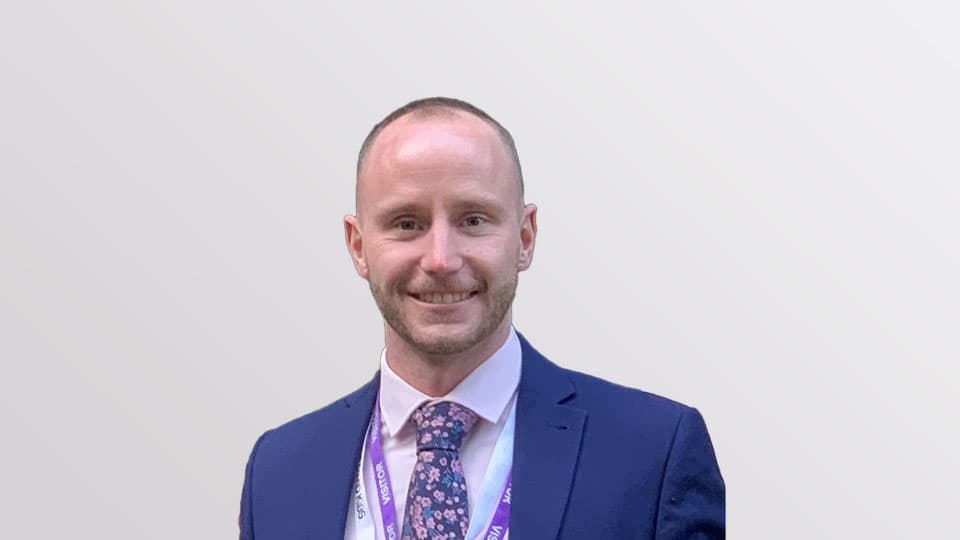
The field of sport and exercise sciences in the UK operates at the intersection of elite athletic performance, public health, and clinical rehabilitation. Maintaining high standards in this discipline requires dedicated leadership, rigorous evidence-based practice, and a commitment to professional development. Recently, the academic community received a significant marker of excellence when Professor Mark Faghy received a prestigious sport fellowship. This recognition highlights the advanced research and educational frameworks present at Loughborough University, UK, and provides a valuable case study for aspiring professionals looking to understand the pinnacle of achievement in exercise sciences.
What the FCASES Means for the UK Exercise Sciences Sector
Understand the institutional framework that governs UK sports science to appreciate the weight of this recent award. The Chartered Association of Sport and Exercise Sciences (CASES) serves as the professional body dedicated to driving excellence across the discipline. Its primary objectives include promoting evidence-based practice, establishing rigorous professional and ethical standards, and advocating for the integration of exercise sciences into broader health and performance strategies.
Achieving Fellowship status (FCASES) within this organization is not a routine occurrence. It stands as one of the highest honours a professional can receive in the UK sport and exercise sector. The designation is reserved strictly for individuals who have demonstrated a sustained and significant contribution to the field. Evaluation criteria focus heavily on tangible professional achievements, recognized expertise, leadership capabilities, and exceptional service to the sport and exercise science community.
Fellows are not merely recognized for past accomplishments; they are expected to take on active roles as leaders and ambassadors for the Association. They bear the responsibility of supporting the continued development of the field, mentoring the next generation of practitioners, and championing the profession in public and academic forums. When an academic earns this sport fellowship, it signals to the wider sector that their work has materially moved the needle in research, education, or professional practice.
Schedule a free consultation to learn more about how professional accreditations can impact your career trajectory in the sciences.
Analyzing Professor Mark Faghy’s 15-Year Contribution
Earning an FCASES requires a longitudinal commitment to the discipline. Professor Mark Faghy’s recognition stems from approximately 15 years of continuous involvement with CASES in various leadership and mentorship capacities. This timeline highlights an important reality for aspiring academics and practitioners: meaningful impact in exercise sciences is built over years of consistent, dedicated work.
Professor Faghy’s career illustrates the multifaceted nature of academic success. To reach the level of a sport fellowship, an individual must excel simultaneously in several domains. First, they must produce research that contributes new knowledge to the field, whether that involves physiological testing, interventions for chronic disease, or optimization of athletic performance. Second, they must translate that research into effective teaching methodologies, ensuring that undergraduate and postgraduate students receive a current, rigorous education. Finally, they must engage in professional practice and service, bridging the gap between laboratory findings and real-world application.
His response to the award underscores the collaborative nature of academic achievement. By attributing part of his professional journey to the support and structure provided by CASES, Professor Faghy highlights the importance of professional networks. For students and early-career professionals, this serves as a clear directive: engaging with professional bodies early in your career provides the mentorship and platforms necessary to achieve long-term recognition.
Submit your application today to begin your academic journey in a high-caliber research environment.
How Loughborough University Maintains Its Research Dominance
Individual accolades do not occur in a vacuum. The awarding of this sport fellowship to Professor Mark Faghy reinforces Loughborough University’s established reputation as a leader in sport, exercise, and health-related research and innovation. Consistently ranked at the top of national and global league tables for sports-related subjects, the university provides an ecosystem that actively facilitates high-level research.
This dominance is achieved through substantial investment in specialized infrastructure. Loughborough University offers access to state-of-the-art laboratories for physiology, biomechanics, and psychology, alongside dedicated facilities for environmental testing and metabolic analysis. However, equipment alone does not generate fellowships. The university fosters an interdisciplinary culture where exercise scientists routinely collaborate with engineers, data analysts, and medical professionals. This cross-pollination of ideas accelerates innovation and allows researchers to tackle complex, multifaceted problems that single-discipline approaches cannot resolve.
Furthermore, Loughborough’s integration of elite sport and academic research creates a unique feedback loop. Academic theories are tested in high-performance environments, and the data generated by elite athletes informs new avenues of research. For prospective students, studying at an institution with this specific ecosystem means learning from faculty who are actively applying their research at the highest levels of sport and health.
The Role of Institutional Culture in Academic Excellence
Building a culture of excellence requires deliberate institutional policies. Universities that consistently produce nationally recognized fellows prioritize protected research time for their academic staff. They maintain robust support systems for grant writing and publication, and they actively celebrate the professional service achievements of their faculty. Loughborough University’s ability to attract and retain researchers who earn accolades like the FCASES is a direct reflection of this supportive institutional architecture.
Explore our related articles for further reading on UK sports science rankings and institutional research outputs.
Building a Career in Exercise Sciences: Actionable Steps
Use the blueprint provided by high-achieving academics to map out your own career in exercise sciences. Reaching the upper echelons of this field requires strategic planning, continuous education, and active professional engagement.
Step 1: Establish a Strong Undergraduate Foundation
Begin with a rigorous undergraduate degree that covers the core pillars of exercise sciences: physiology, biomechanics, psychology, and nutrition. Prioritize programs that offer hands-on laboratory experience rather than purely theoretical instruction. The ability to collect, analyze, and interpret data accurately is a foundational skill that will dictate your capacity for future research.
Step 2: Pursue Specialized Postgraduate Research
Identify a specific niche within the broad field of exercise sciences that requires further investigation. This could range from the physiological responses of athletes to extreme environments to the efficacy of exercise interventions in managing metabolic syndromes. Pursuing a master’s degree and subsequently a PhD allows you to develop deep expertise. When selecting a program, evaluate the research output of the faculty and the availability of laboratory resources, much like the environment found at Loughborough University, UK.
Step 3: Engage with Professional Bodies Early
Do not wait until you have a decade of experience to join organizations like CASES. Student memberships provide early access to academic journals, networking opportunities, and conferences. Presenting your research at these conferences builds your professional profile and connects you with the mentors who will ultimately nominate you for advanced fellowships and leadership roles.
Step 4: Commit to Evidence-Based Professional Practice
Whether your career path leads to academia, clinical practice, or high-performance sport, ensure your work remains anchored in current evidence. The field of exercise sciences evolves rapidly as new research challenges established paradigms. Maintaining a commitment to continuing professional development (CPD) ensures your interventions and teachings remain relevant and effective.
Have questions about which specialization aligns with your career goals? Write to us!
The Evolving Landscape of UK Sport and Health Research
Look beyond current accolades to understand where the field of exercise sciences is heading. The future of the discipline in the UK is being shaped by several converging trends. First, there is a growing emphasis on the role of exercise in public health. As the UK grapples with aging populations and rising rates of chronic diseases such as type 2 diabetes and cardiovascular conditions, exercise scientists are increasingly called upon to design and implement population-level health interventions.
Second, the integration of technology is revolutionizing data collection. Wearable biosensors, advanced genomic testing, and artificial intelligence are providing researchers with unprecedented volumes of data. The next generation of sport fellows will likely be those who can not only interpret this data but also develop new methodological frameworks to ensure its accuracy and applicability.
Finally, the definition of “athlete support” is expanding. Exercise scientists are now applying their knowledge to tactical personnel, such as military forces and emergency responders, whose physical demands parallel those of elite athletes but occur in vastly different operational environments. This expansion creates new career pathways and research opportunities for graduates of exercise sciences programs.
Conclusion
Reviewing the awarding of the FCASES sport fellowship to Professor Mark Faghy provides a clear window into the standards required to succeed at the highest levels of the UK exercise sciences sector. It demonstrates that exceptional careers are built on a foundation of sustained research, dedicated teaching, and active service to professional communities. Furthermore, it reinforces the position of Loughborough University as an institution capable of nurturing and facilitating this level of academic excellence. For students and professionals aiming to make their own mark in the field, the path forward requires a commitment to evidence-based practice, early engagement with professional bodies, and a willingness to contribute to the broader community over the long term.
Share your experiences in the comments below regarding your own professional development in sports science.