
Loughborough University Study Reveals Hidden Value of UK Saline Lakes Amid Biodiversity and Climate Change Threats
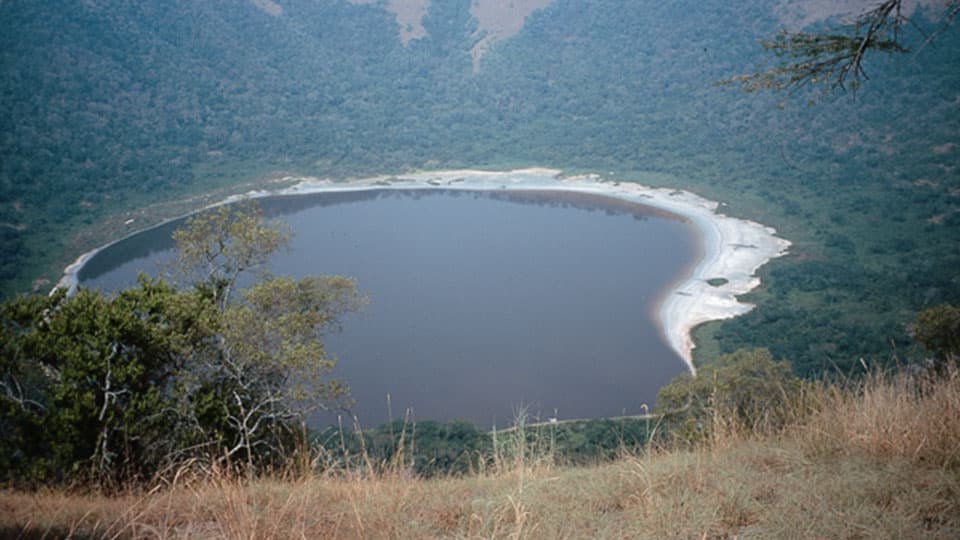
Across the globe, saline lakes sit quietly in arid basins, often overlooked because their water is too salty for drinking and their shores appear barren. Yet a recent study led by researchers at Loughborough University in the United Kingdom shows that these ecosystems are far more valuable than their modest reputation suggests. The research, published in Nature Communications, brings together data from over 85 saline lakes spanning five continents and highlights the critical role these waters play in supporting biodiversity, regulating climate, and sustaining local livelihoods. As climate change intensifies and water extraction rises, the fate of these lakes hangs in the balance, making the findings both timely and essential for policymakers, conservationists, and the public.
Why Saline Lakes Deserve Our Attention
Saline lakes are defined by their high salt concentrations, which can exceed those of seawater by several times. Because of this salinity, they have historically been dismissed as ecological dead zones. However, the Loughborough‑led team discovered that the very conditions that make the water undrinkable also create unique habitats for a surprising array of life. From microscopic microbes that thrive in extreme salinity to migratory birds that rely on the lakes as refueling stations, saline lakes function as vital nodes in regional and global ecological networks.
The study emphasizes that ignoring these ecosystems means overlooking a wealth of biodiversity that is not captured in traditional freshwater assessments. In many arid regions, saline lakes are the only reliable source of water and food for wildlife, making them indispensable for species that would otherwise struggle to survive.
Biodiversity Hotspots Hidden in Salt
One of the most striking outcomes of the research is the identification of 200 species listed on the IUCN Red List that depend on saline lakes in some way. Birds constitute just over half of these species, underscoring the importance of saline lakes as stop‑over points on long‑distance migration routes. Flamingos, waders, gulls, and numerous shorebirds time their journeys to coincide with the seasonal abundance of algae, brine shrimp (Artemia), and other invertebrates that thrive in the salty waters.
Beyond avian life, the lakes host diverse microbial communities that possess genetic traits found nowhere else on Earth. These microbes produce enzymes and proteins capable of functioning under high salinity, opening potential avenues for biotechnological applications in medicine, industry, and environmental remediation. The research notes that the genetic diversity observed in saline lakes shows little sign of saturation, suggesting that each newly studied lake is likely to reveal novel biological insights.
Ecosystem Services Beyond Birdwatching
The study categorizes the benefits of saline lakes into eleven measurable ecosystem services, ranging from fisheries to climate regulation. In low‑salinity systems (1–20 g/L), fisheries remain productive, with average catches of about 2.2 tonnes per square kilometre per year—figures that rival those of many freshwater lakes. Even as salinity increases and fish disappear, the lakes continue to support invertebrate fisheries that are important for local diets and economies.
Additionally, saline lakes act as natural buffers against climate extremes. Their large water bodies moderate temperature fluctuations in surrounding landscapes, and their sediments store detailed records of past hydrological changes. By analyzing these sedimentary archives, scientists can reconstruct historical climate variability and better assess how current trends deviate from natural baselines.
Hidden functions also include the prevention of catastrophic drying events that could release stored salts and dust into the atmosphere, thereby affecting air quality and agricultural productivity downstream. In this way, saline lakes contribute to the stability of regional agro‑ecosystems, a benefit that is often omitted from conventional valuations.
Threats from Climate Change and Water Extraction
Despite their ecological importance, saline lakes are exceptionally vulnerable to alterations in their water balance. Because most of these lakes lack river outflows to the ocean, their water levels depend almost entirely on the delicate equilibrium between inflow (precipitation, runoff, groundwater) and evaporation. Rising temperatures increase evaporation rates, while changing precipitation patterns reduce inflow. Simultaneously, human activities such as irrigation, mining, and municipal water withdrawals draw water from the same catchments that feed the lakes.
The Loughborough research warns that even modest changes in inflow can trigger rapid declines in lake volume and spikes in salinity, pushing ecosystems beyond their tolerance thresholds. Historical examples—such as the dramatic shrinkage of the Aral Sea and the ongoing decline of Lake Urmia—illustrate how quickly these systems can deteriorate when water management fails to consider the whole catchment.
Climate change amplifies these pressures. Projections indicate that many saline lake basins will experience hotter, drier conditions over the coming decades, reducing natural inflow while increasing evaporative loss. Without adaptive management, the lakes risk crossing tipping points where recovery becomes unlikely, leading to loss of biodiversity, collapse of fisheries, and diminished climate‑regulation services.
Key Findings from the Loughborough‑Led Study
The international team, comprising over 60 researchers from 20 countries, synthesized decades of fieldwork, remote sensing, and laboratory analysis to produce a comprehensive picture of saline lake dynamics. Core findings include:
- Saline lakes support a disproportionately high number of threatened and endemic species relative to their surface area.
- Microbial genetic reservoirs in these lakes are largely untapped and hold promise for novel biotechnological solutions.
- Fisheries in low‑salinity saline lakes can match the productivity of freshwater systems, providing important protein sources for nearby communities.
- Sediment cores from saline lakes offer high‑resolution records of past hydroclimatic variability, valuable for calibrating climate models.
- The lakes’ ecological functions are interconnected; altering one service (e.g., water extraction for agriculture) can cascade into losses in biodiversity, climate regulation, and cultural values.
Professor Dave Ryves, Professor of Environmental Change at Loughborough University, highlighted the collaborative nature of the project: “This study brings together expertise from hydrology, ecology, geology, and social sciences to show that saline lakes are not marginal features but integral components of dryland landscapes.”
Five Practical Recommendations for Protection
Based on their analysis, the researchers formulated five actionable recommendations aimed at policymakers, conservation authorities, and local stakeholders:
- Manage the entire catchment, not just the lake. Protecting shorelines alone is ineffective if upstream water use remains unchecked. Groundwater, often omitted from planning, must be included in water‑allocation decisions.
- Account for natural variability. Because climate change shifts baseline conditions, rigid reference points are misleading. Flexible assessment frameworks that accept a range of natural states are needed.
- Invest in long‑term monitoring. Short‑term data can mask emerging trends. Continuous, multi‑decadal datasets enable detection of genuine alarm signals versus normal fluctuations.
- Engage all stakeholders, especially across borders. Many saline lakes lie at international boundaries. Coordinated management boards that include local communities, indigenous peoples, and industry representatives are essential for equitable and effective governance.
- Adopt adaptive management in the face of climate change. Rather than attempting to restore a bygone state, managers should guide the lake’s transformation while preserving its core functions—biodiversity habitat, fisheries, and climate buffering.
These recommendations stress a shift from reactive crisis response to proactive, basin‑scale stewardship that recognises the interconnectedness of water, land, and livelihoods.
How Readers Can Contribute to Saline Lake Conservation
While policy change is crucial, individuals also have a role to play in safeguarding these overlooked ecosystems. Here are several practical steps:
- Stay informed. Follow reputable sources such as the Loughborough University Environmental Change Centre and international wetland conventions for updates on saline lake research.
- Support sustainable water use. Advocate for policies that promote efficient irrigation, groundwater protection, and watershed‑level planning in your community.
- Participate in citizen science. Many research projects welcome volunteers to help with water‑quality sampling, bird counts, or remote‑sensing image classification.
- Raise awareness. Share articles, infographics, or short videos about saline lakes on social media to help dispel the myth that they are ecologically insignificant.
- Consider responsible tourism. If visiting a saline lake, choose operators that follow low‑impact practices and contribute a portion of fees to local conservation initiatives.
By integrating these actions into daily life, readers can help build a broader constituency for saline lake protection, ensuring that these ecosystems continue to provide their hidden benefits for generations to come.
Conclusion
The new research from Loughborough University serves as a powerful reminder that value is not always obvious at first glance. Saline lakes, once dismissed as useless expanses of salty water, are revealed as biodiversity hotspots, productive fisheries, climate archives, and natural buffers against environmental extremes. Their sensitivity to changes in water balance makes them early warning indicators of broader climatic and hydrological shifts.
Protecting these lakes requires a holistic approach that looks beyond the shoreline to the entire catchment, embraces flexible and long‑term monitoring, and brings together diverse stakeholders across borders. As the planet warms and freshwater resources become scarcer, the services provided by saline lakes may become even more critical.
For students, researchers, policymakers, and concerned citizens alike, the message is clear: invest time and resources in understanding and safeguarding saline lakes today, lest we lose them before we fully appreciate their true worth.
Looking to dive deeper into environmental research? Explore undergraduate and postgraduate programmes at Loughborough University that focus on ecology, hydrology, and climate science.
Want the full study? Read the Nature Communications article on saline lake biodiversity and ecosystem services.
Stay updated on conservation news? Subscribe to Loughborough University’s news and events newsletter for the latest breakthroughs.
Have questions or ideas for collaboration? Contact the Press Office to discuss partnership opportunities.
Help spread the word? Share this article on your preferred social platform to raise awareness about the hidden importance of saline lakes.