
Analyze Dementia Risk and Neurological Diseases from Head Injuries in UK Football at Loughborough University
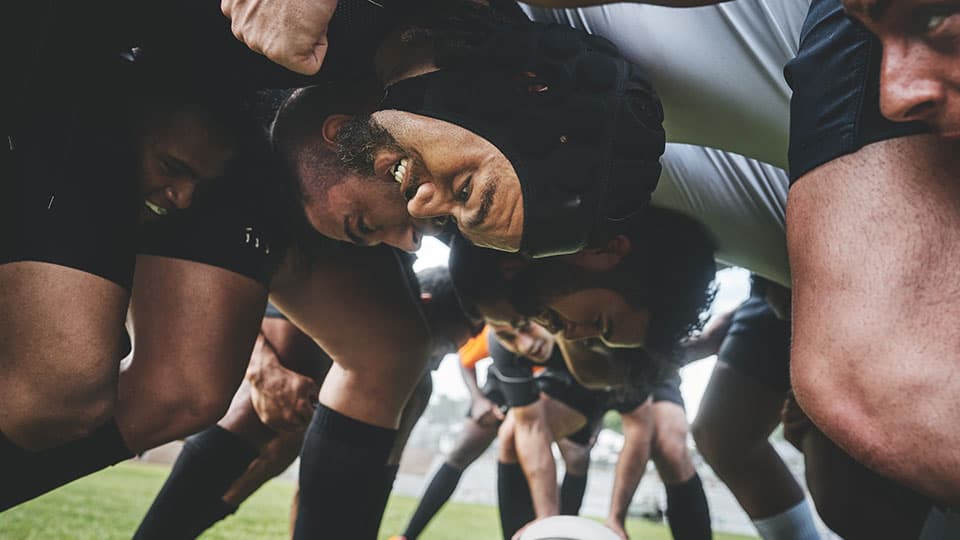
Understand the Connection Between UK Football and Neurological Diseases
Contact sports have long been celebrated for their physical benefits, but emerging research highlights a serious hidden cost. Repeated head injuries sustained during UK football and rugby matches are increasingly linked to a higher dementia risk and other neurological diseases later in life. For decades, the focus in sports medicine centered on immediate concussions. However, current scientific inquiry suggests that routine, sub-concussive impacts—such as heading a football or engaging in heavy tackles—accumulate over time and compromise brain health.
Loughborough University, recognized globally for its sports research, is actively contributing to this critical field of study. Understanding the precise mechanisms through which these repeated blows affect the brain is essential for players, coaches, and medical professionals. By examining the latest clinical findings, the sports community can begin to develop evidence-based strategies to protect athletes without compromising the integrity of the games they love.
Explore our related articles for further reading on sports science and brain health.
Review Recent Brain Imaging Findings in Retired Athletes
Significant strides in understanding cognitive decline have come from advanced neuroimaging. Preliminary research presented at the Alzheimer’s Association International Conference in July 2026 provides a stark visual representation of how contact sports alter brain structure. The study examined 142 former professional footballers aged 30 to 60, comparing them against a control group of 56 individuals of similar age who had no history of contact sports or repeated head impacts.
While both groups performed similarly on objective cognitive tests measuring memory, attention, and decision-making, the subjective experiences of the retired players told a different story. These former athletes self-reported higher levels of anxiety, worse moods, and poorer overall cognition. The divergence between objective test scores and subjective experiences often serves as an early warning sign of cognitive fatigue and underlying neurological stress.
Measure the Impact on Grey Matter and Cognitive Function
The most compelling evidence from the 2026 study emerged from MRI brain scans, which were available for 124 of the former players and 40 of the non-players. On average, the retired footballers exhibited a measurable reduction in grey matter volume across several critical brain regions. Grey matter contains the majority of the brain’s neuronal cell bodies and is fundamentally responsible for processing information.
The specific areas where grey matter loss was observed are directly responsible for memory consolidation, attention regulation, complex decision-making, and emotional control. This structural degradation helps explain the self-reported mood disturbances and cognitive complaints among the athletes. While these findings do not definitively prove that football caused these changes, nor do they guarantee that all players will develop dementia, they establish a clear correlation that demands further investigation. Recognizing these subtle structural changes early is vital for mitigating long-term dementia risk.
Evaluate Long-Term Cognitive Screening Results in Professional Footballers
Beyond brain imaging, cognitive screening data provides a broader perspective on the long-term effects of head injuries. In 2020, a research team including Professor Eef Hogervorst from Loughborough University conducted a comprehensive study comparing 468 retired male professional footballers with 619 men from the general population. Of these participants, 326 former players and 395 controls completed telephone-based cognitive dementia screening tests designed to assess verbal memory, verbal fluency, and everyday functioning.
The results revealed a complex health profile among former athletes. While the footballers scored similarly to the general population on certain cognitive metrics, they demonstrated notable deficits in verbal fluency and everyday functioning tasks. After adjusting for variables such as age, education level, hearing loss, and pre-existing health conditions, the data showed that former players had approximately twice the odds of falling below established dementia screening cut-offs on tests of verbal memory and verbal fluency.
Falling below a screening cut-off does not equate to a clinical dementia diagnosis. Instead, it acts as a critical triage tool, indicating that an individual requires comprehensive clinical assessment to determine the exact nature of their cognitive difficulties.
Schedule a free consultation to learn more about cognitive screening processes.
Contrast Physical Health Advantages with Cognitive Vulnerabilities
One of the most paradoxical findings from the 2020 research involves the overall physical health of retired footballers. Despite their increased vulnerability to cognitive decline, the former players were generally healthier than the control group in several traditional metrics. They reported lower incidences of diabetes, lower blood pressure, healthier cholesterol levels, lower smoking rates, and fewer formal diagnoses of depression.
Typically, these physical health factors serve as protective mechanisms against dementia. The fact that these athletes exhibited superior cardiovascular and metabolic profiles yet still demonstrated roughly double the odds of failing cognitive screening tests strongly isolates repeated head impacts as a significant, independent risk factor. This contrast proves that physical fitness alone cannot offset the neurological damage caused by years of repeated blows to the head during a career in UK football.
Recognize the Need for Longitudinal Research on Dementia Risk
While the current data is highly informative, the scientific community must exercise caution in its interpretation. The 2026 brain imaging study is preliminary and has not yet undergone the rigorous process of full peer review. Furthermore, because it is a cross-sectional study—capturing a single point in time—it cannot definitively establish cause and effect.
To fully understand the trajectory of neurological diseases in former athletes, researchers must conduct longitudinal studies. Following the same cohort of players over a period of ten, twenty, or thirty years will allow scientists to observe whether the initial reductions in grey matter and subjective cognitive complaints progress into mild cognitive impairment or clinical dementia. Loughborough University continues to advocate for and participate in this type of extended research, which requires sustained funding and cooperation from sports governing bodies.
Have questions? Write to us to discuss the future of sports-related brain research.
Implement Preventive Strategies for Contact Sports
Armed with this growing body of evidence, the sports industry must take proactive steps to protect current and future players. Mitigating dementia risk requires a multi-layered approach that addresses the frequency, severity, and management of head injuries.
- Modify Training Protocols: Limit the amount of heading done during practice sessions. A significant portion of sub-concussive impacts occurs outside of competitive matches.
- Enforce Strict Concussion Protocols: Ensure that players who sustain a concussion are removed from play immediately and do not return until they have completed a graduated, medically supervised return-to-play protocol.
- Improve Tackle Techniques: In rugby and football, coaching proper technique can significantly reduce the force of impacts to the head.
- Utilize Wearable Technology: Deploy mouthguards or headgear equipped with sensors to monitor the cumulative force of impacts during both practices and games, allowing medical staff to track an individual’s head injury burden over a season.
- Prioritize Education: Educate players at all levels—from youth academies to professional leagues—about the long-term risks of head injuries and the importance of reporting symptoms.
Moving Forward with Sports Science and Brain Health
The intersection of athletic performance and neurological health represents one of the most critical challenges in modern sports science. The research highlighted by Loughborough University demonstrates that the physical toll of UK football and rugby extends far beyond torn ligaments and broken bones. Repeated head injuries pose a tangible, measurable threat to long-term cognitive function, increasing the risk of neurological diseases even in athletes who are otherwise in peak physical condition.
As the leading university in the world for sports-related subjects for ten consecutive years according to the QS World University Rankings, Loughborough University remains at the forefront of this vital research. The institution’s commitment to excellence in teaching and research ensures that the next generation of sports scientists, coaches, and medical professionals are equipped with the knowledge necessary to safeguard athlete welfare.
Addressing the dementia risk associated with contact sports requires collaboration between researchers, medical professionals, governing bodies, and the athletes themselves. By translating preliminary findings into actionable policies and continued longitudinal research, the sports community can work toward a future where athletic achievement does not come at the cost of cognitive health.
Submit your application today to join Loughborough University’s leading sports science programs.
Share your experiences in the comments below regarding brain health in contact sports.