
Advance UK Sustainability and Biodiversity Through London Metropolitan University’s Tree Planting Initiatives
Understanding the Impact of Urban Tree Planting on UK Biodiversity
Urban centers across the UK face significant environmental challenges, ranging from habitat fragmentation to poor air quality. In densely populated areas like London, finding space for nature requires deliberate planning and community effort. Tree planting serves as one of the most effective methods for reversing ecological decline in these environments. By introducing native saplings into urban landscapes, institutions and volunteers directly support local wildlife, providing vital habitats for birds, insects, and small mammals.
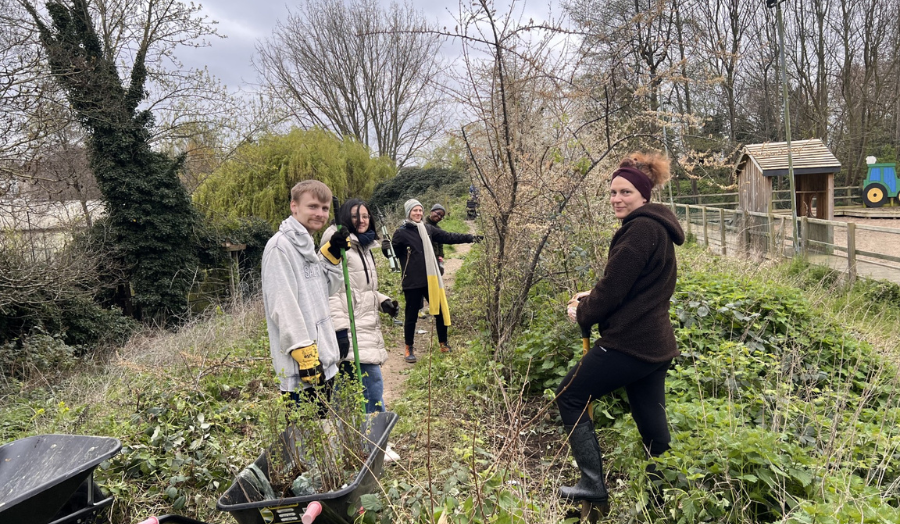
Mudchute Farm, located in the heart of Tower Hamlets, stands as one of London’s largest city farms. It represents a crucial green space amid the concrete infrastructure of the capital. When London Metropolitan University began its tree planting initiative here five years ago, the goal was to actively expand the green corridors that allow wildlife to move safely through the city. These corridors are essential for maintaining genetic diversity among urban animal populations and ensuring that plant species can pollinate effectively. Over time, the integration of native tree species helps to stabilize the local soil, manage rainwater runoff, and reduce the urban heat island effect, making the surrounding area more resilient to climate fluctuations.
The focus on native saplings is particularly important for UK biodiversity. Non-native species often fail to support the same intricate web of life as local flora. Native trees have evolved alongside native insects and birds, creating symbiotic relationships that are foundational to a healthy ecosystem. By prioritizing these species, the tree planting efforts at Mudchute Farm ensure that the ecological benefits are maximized, offering food and shelter tailored to the specific needs of local wildlife.
Connecting Academic Disciplines Through Practical Climate Action
Environmental sustainability is not an isolated field of study; it is a cross-disciplinary challenge that requires input from various professional sectors. London Metropolitan University recognizes this reality by drawing student and staff volunteers from a wide array of academic backgrounds. During the most recent planting events, participants came from programs in Architecture and Design, Business, Law, and Health Sciences. This interdisciplinary approach highlights a modern understanding of climate action: solving environmental crises requires diverse perspectives and skill sets.
For architecture and design students, participating in tree planting provides a grounded understanding of how green infrastructure integrates with urban planning. They see firsthand how vegetation can soften the hard lines of city developments and improve the livability of public spaces. Business students gain practical insight into corporate social responsibility and how organizations can partner with local communities to achieve environmental goals. Law students observe the practical applications of environmental protection policies, while health science students directly connect human well-being with access to green spaces and clean air.
Engaging in hands-on climate action bridges the gap between theoretical coursework and real-world application. Many of the students who participate are planting trees for the very first time. This experiential learning opportunity fosters a sense of environmental stewardship that they will carry into their future careers. By stepping outside the classroom and getting their hands in the dirt, students develop a tangible connection to the sustainability concepts they study, making them more effective advocates for the environment in their respective professional fields.
Cultivating Long-Term Partnerships with the Woodland Trust and Mudchute Farm
Achieving meaningful environmental change requires sustained effort and reliable partnerships. The success of London Metropolitan University’s tree planting milestone is deeply tied to its collaboration with the Woodland Trust and the dedicated team at Mudchute Farm. The Woodland Trust, the UK’s largest woodland conservation charity, provides the necessary resources, including the native saplings, that make large-scale planting events possible. Their expertise ensures that the right trees are selected for the specific soil conditions and ecological needs of the Tower Hamlets area.
Mudchute Farm provides the physical space and the local logistical support required to host hundreds of volunteers annually. As a working farm and community resource, they understand the local landscape and the historical context of the land. This partnership model demonstrates how educational institutions can leverage the resources of national charities and the local knowledge of community organizations to execute high-impact sustainability projects.
Over the past five years, this collaborative framework has proven highly effective. What began as a single planting event has evolved into an annual tradition that reliably yields over 400 new saplings each spring. The continuity of this project ensures that the ecological benefits compound over time. As the earlier plantings establish themselves and begin to mature, they create a microclimate that supports the survival and growth of the newer saplings, steadily transforming the landscape of the farm.
Have questions about our community partnerships and engagement opportunities? Write to us!
Evaluating the Environmental Returns of a Five-Year Sustainability Milestone
Quantifying the impact of tree planting involves looking at both immediate and long-term environmental returns. Over the course of five years, London Metropolitan University volunteers have planted more than 2,000 trees at Mudchute Farm. This numerical milestone represents a significant physical transformation of the local environment. As these trees grow, their ability to capture carbon dioxide increases exponentially, directly contributing to the UK’s broader climate targets.
Beyond carbon sequestration, the 2,000 trees provide substantial benefits for local air quality. Tree leaves act as natural filters, trapping particulate matter and absorbing harmful gases like nitrogen dioxide, which is a persistent issue in busy urban areas like London. The root systems of these trees also play a critical role in managing stormwater. In a city with a high proportion of impermeable surfaces, tree roots help to absorb and slowly release rainwater, reducing the burden on the city’s drainage systems and mitigating the risk of localized flooding.
The expansion of green corridors through this sustained planting effort also provides significant social and psychological benefits for local residents. Access to green spaces has been consistently linked to reduced stress levels, improved mental health, and increased physical activity. By enhancing the natural environment of Mudchute Farm, London Metropolitan University has contributed to a public amenity that supports the well-being of the surrounding Tower Hamlets community.
Why Prospective Students Should Prioritize University Sustainability Programs
For prospective students evaluating their options in the UK higher education sector, a university’s commitment to sustainability is a critical factor to consider. Climate change and environmental degradation are defining challenges of the modern era, and the institutions that actively engage with these issues are better preparing their students for the future. London Metropolitan University’s tree planting initiative is a clear indicator of an institution that values practical, community-integrated sustainability over mere rhetoric.
Choosing a university that embeds sustainability into its core operations and student experience provides distinct advantages. Students gain access to volunteer opportunities, networking events with environmental organizations, and a curriculum that increasingly reflects the urgent need for sustainable practices in all industries. Employers are actively seeking graduates who possess a strong understanding of environmental, social, and governance (ESG) principles. By participating in initiatives like the Mudchute Farm tree planting, students build a resume that demonstrates real-world engagement with these critical issues.
Furthermore, studying at an institution that actively improves its local environment fosters a strong sense of community and institutional pride. Students are not just passing through a campus; they are actively leaving a positive, lasting mark on the city they study in. This sense of belonging and purpose significantly enhances the overall university experience.
Continuing the Commitment to Nature Recovery in London
Reaching the five-year mark of tree planting at Mudchute Farm is a notable achievement, but it is viewed by London Metropolitan University as a stepping stone rather than a conclusion. The university has stated its intention to continue working closely with local partners to champion nature recovery and support biodiversity across the city. As urban populations continue to grow, the need for these green interventions will only become more acute.
Future initiatives will likely build upon the foundation laid over the last half-decade. As the planted saplings mature into established trees, the focus may shift toward ongoing maintenance, monitoring of local wildlife populations, and the expansion of planting into adjacent areas. The success of the Mudchute Farm project serves as a scalable model for how urban universities can utilize their human capital—students and staff—to drive meaningful environmental change in their immediate vicinities.
The integration of sustainability into the student experience at London Metropolitan University ensures that each new cohort of students has the opportunity to contribute to these vital ecological efforts. By maintaining these hands-on volunteer programs, the university ensures that the next generation of professionals, regardless of their specific career paths, understand the importance of environmental stewardship and possess the practical experience to act upon it.