
University of Winchester Physiotherapy Student Competes at Commonwealth Games Glasgow
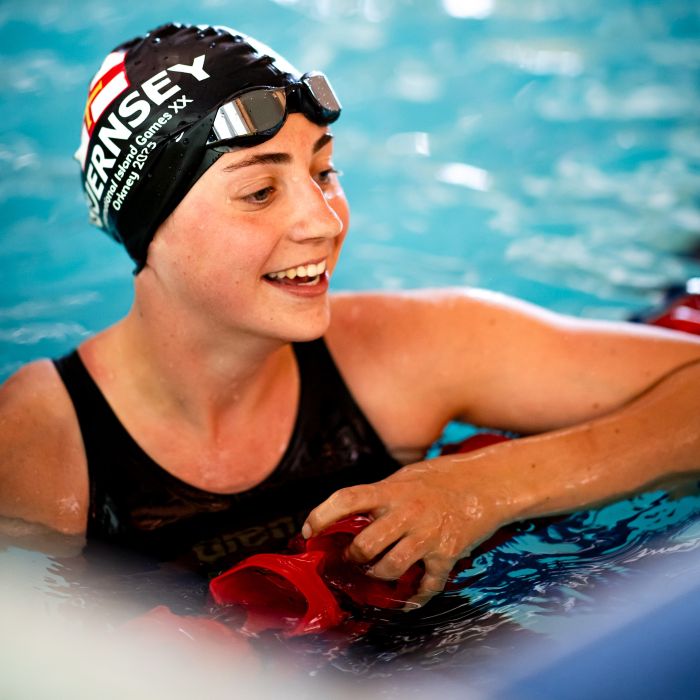
The Commonwealth Games represent one of the most prestigious multi-sport events on the international calendar, bringing together athletes from across the globe to compete at the highest level. For one University of Winchester student, this summer’s games in Glasgow offer not only a chance to test her abilities against world-class competition but also an opportunity to demonstrate how academic ambition and athletic excellence can coexist within UK higher education.
Balancing Elite Sport and Academic Study in the UK
Student athletes face a unique set of challenges that their peers rarely encounter. The demands of intensive training schedules, competition travel, and recovery protocols must be carefully balanced against lecture attendance, clinical placements, and coursework deadlines. At the University of Winchester, this balance is not merely tolerated but actively supported through flexible learning arrangements and a culture that values achievement in all its forms.
Molly Staples, a first-year Physiotherapy student, exemplifies this balance. Having just completed her initial year of study, she now prepares to represent Guernsey in the 50m Butterfly and 50m Backstroke events, with potential inclusion in relay teams. Her journey to Glasgow began long before her university career, but the institution has provided the structural support necessary to pursue both paths simultaneously.
For prospective students considering competitive sport alongside their studies, understanding how different universities accommodate athletic commitments is essential. Winchester’s approach includes working with students to arrange clinical placement schedules around competition dates and providing access to quality training facilities on campus.
Schedule a free consultation to learn more about how the University of Winchester supports students with diverse commitments and ambitions.
Inside the Physiotherapy Programme at Winchester
The BSc Physiotherapy programme at the University of Winchester prepares students for careers in healthcare through a combination of theoretical knowledge and practical clinical experience. Students study anatomy, physiology, biomechanics, and pathology while developing hands-on assessment and treatment skills under supervised practice placements.
What distinguishes the Winchester programme is its emphasis on producing graduates who can think critically about patient care and apply evidence-based practice in real-world settings. The curriculum integrates research methods throughout, ensuring that future physiotherapists can evaluate emerging treatments and contribute to the profession’s knowledge base.
For students like Molly, who enter the programme with existing experience as patients themselves, the academic content takes on additional relevance. Understanding the biomechanics of swimming strokes or the rehabilitation protocols for shoulder injuries becomes more than exam material—it becomes directly applicable knowledge that can enhance both personal performance and future professional practice.
Clinical Placement Opportunities
Physiotherapy students at Winchester complete substantial clinical placements across various healthcare settings, including NHS hospitals, private clinics, and community health centres. These placements provide exposure to diverse patient populations and conditions, from post-surgical rehabilitation to chronic pain management and sports injuries.
The placement structure allows students to observe qualified physiotherapists at work before gradually taking on more responsibility for patient assessment and treatment under supervision. This progression builds confidence and competence, preparing graduates for independent practice upon registration with the Health and Care Professions Council (HCPC).
From Patient to Practitioner: How Personal Experience Shapes Professional Development
Molly’s decision to study Physiotherapy stems directly from her experiences as a competitive swimmer. Since childhood, she has managed back problems that required ongoing physiotherapeutic intervention. This perspective—as both recipient and future provider of care—offers distinct advantages in understanding patient needs and communication.
“I’ve had back troubles since I was quite young and physios have helped me so much,” Molly explains. “I hope that I can bring the same benefits to the young swimmers at my club.” This statement reflects a common motivation among healthcare students who have navigated their own health challenges: the desire to provide others with the support they themselves received.
Research in health professions education consistently shows that students with personal healthcare experience often demonstrate enhanced empathy and patient communication skills. They understand the anxiety of unfamiliar treatments, the frustration of slow progress, and the importance of clear explanations—perspectives that cannot be fully taught in a classroom.
For aspiring physiotherapists considering their career path, reflecting on personal health experiences can provide valuable insight into whether the profession aligns with their values and motivations. Those who have benefited from physiotherapy often possess an intuitive understanding of the therapeutic relationship that serves them well in clinical practice.
Explore our related articles for further reading on healthcare programmes and student experiences at the University of Winchester.
The Commonwealth Games: Understanding the Competition Landscape
The Commonwealth Games hold a distinctive position in international sport. Unlike the Olympics, where athletes represent nations, Commonwealth competitors represent their home countries, crown dependencies, and overseas territories. This structure creates compelling narratives when athletes from small communities like Guernsey, with a population of approximately 63,000, compete against swimmers from Australia, Canada, or England.
For Molly, Glasgow 2026 marks her second Commonwealth Games appearance. At Birmingham 2022, she competed in freestyle and butterfly sprint heats while contributing to relay teams that reached their respective finals. The experience of racing alongside athletes who would later claim Olympic and World Championship medals provides perspective that few domestic competitions can offer.
“Racing against the big guns was such a cool experience,” Molly recalls of her previous Games. “One of the biggest moments was when I got out of the pool after the relay and one of the Australian swimmers came and tapped me on the shoulder and said: ‘Well done.'” These moments of sportsmanship and mutual respect between athletes of vastly different competitive levels exemplify what makes the Commonwealth Games unique.
Island Games Success and Competitive Development
Between Commonwealth Games appearances, athletes from smaller territories compete in the Island Games, a biennial multi-sport event for members of the International Island Games Association. Molly has competed in three Island Games, beginning in Gibraltar 2019 at age 14, and most recently returned from the 2025 Orkney Games with three gold medals.
This competitive pathway—progressing from Island Games to Commonwealth Games—demonstrates how athletes from smaller communities develop their skills against appropriate competition before facing the international stage. For those monitoring University of Winchester student achievements, these stepping-stone competitions often precede the higher-profile performances that gain wider recognition.
The Role of Peer Coaching in Athletic Development
An interesting aspect of Molly’s training arrangement at Winchester is that her coach, Ben Dinsdale, is also a Physiotherapy student at the university. Ben’s own swimming credentials include competing against Great Britain’s double Olympic gold medallist Adam Peaty at the British Championships, providing him with direct experience of elite-level competition.
This peer coaching dynamic offers several advantages. Both individuals understand the academic demands of the Physiotherapy programme and can structure training around assessment periods and placement requirements. Their shared knowledge base allows for training discussions that integrate physiological principles with practical application—conversations that might be more superficial with a coach lacking healthcare education.
Ben’s assessment of Molly’s progress reflects the mutual respect inherent in effective coaching relationships: “Molly has been an absolute pleasure to work with over the past year. She has brought energy, eagerness and an open mind to every session.” This endorsement from a fellow elite athlete carries particular weight, as Ben understands the commitment required to reach Commonwealth Games standard.
Share your experiences in the comments below if you have balanced competitive sport with university study, or if you are considering a similar path.
Student Achievements Beyond the Pool
While Molly’s Commonwealth Games selection represents a high-profile example, it forms part of a broader pattern of student achievements at the University of Winchester. Across faculties, students regularly accomplish notable feats in their respective fields, from research publications and conference presentations to entrepreneurial ventures and community impact projects.
The university’s structure—organised into faculties covering Education and the Arts, Business and Digital Technologies, Humanities and Social Sciences, Health and Wellbeing, and Law, Crime and Justice—provides specialised support while maintaining an interdisciplinary ethos. This environment enables students to pursue distinctive achievements that reflect their individual interests and aspirations.
For prospective students evaluating universities, examining the range of student achievements can provide insight into institutional culture. Institutions that celebrate diverse forms of success—from sporting representation to academic innovation—often provide environments where students feel supported to pursue ambitious goals in any domain.
Career Prospects for Physiotherapy Graduates in the UK
The career outlook for physiotherapy graduates remains strong in the UK healthcare sector. The NHS consistently reports demand for qualified physiotherapists, particularly in musculoskeletal, respiratory, and neurological specialities. Beyond traditional NHS roles, graduates find opportunities in private practice, sports medicine, occupational health, and research settings.
For those with athletic backgrounds, sports physiotherapy represents a natural career progression. Working with professional sports teams, national governing bodies, or private sports medicine clinics allows graduates to apply their understanding of training loads, injury prevention, and performance optimisation in contexts they find intrinsically motivating.
The University of Winchester’s location in Hampshire also provides access to a region with significant healthcare infrastructure, including major hospitals, rehabilitation centres, and sports facilities. These local connections facilitate clinical placement opportunities and often lead to employment pathways for graduating students who wish to remain in the area.
Getting Started at the University of Winchester
For students inspired by stories like Molly’s—who are considering how to combine their sporting ambitions with a rigorous academic programme—the University of Winchester offers multiple entry points and support structures. The standard undergraduate application route operates through UCAS, but the university also provides options for mature learners, foundation year programmes for those needing additional preparation, and flexible learning arrangements for students with existing commitments.
Open days provide the most direct way to assess whether the university’s facilities, culture, and programme structure align with your expectations and goals. During these visits, prospective students can speak with current students, meet academic staff, and explore the campus—including the sports facilities that support student athletes.
The Physiotherapy programme specifically has competitive entry requirements reflecting the professional standards required for healthcare registration. Prospective applicants should ensure they meet both academic and non-academic criteria, including relevant work experience or shadowing opportunities that demonstrate their understanding of the profession.
Submit your application today to begin your journey toward combining academic excellence with your personal and professional ambitions at the University of Winchester.
Looking Ahead: Glasgow and Beyond
As Molly Staples prepares for what may be her final major championship, her trajectory offers a compelling case study in how university education can complement rather than compete with athletic achievement. The Physiotherapy knowledge she gains will outlast her competitive swimming career, providing a foundation for decades of professional practice and the opportunity to support the next generation of athletes facing the same challenges she once navigated.
For those monitoring University of Winchester student achievements, her Commonwealth Games appearance represents one visible marker of the diverse accomplishments taking place across the institution. Behind every high-profile selection are countless students making meaningful progress in their chosen fields, supported by an environment that values excellence in all its forms.
The Commonwealth Games begin on 23 July in Glasgow. Regardless of results, Molly’s achievement in reaching this stage while maintaining her academic progress demonstrates the possibilities available to students who refuse to choose between their passions.
Have questions? Write to us! Our admissions team can provide detailed information about programme structure, entry requirements, and the support available for students with diverse ambitions and commitments.