
University of Huddersfield’s Luddite Opera Explores AI and Industrial History
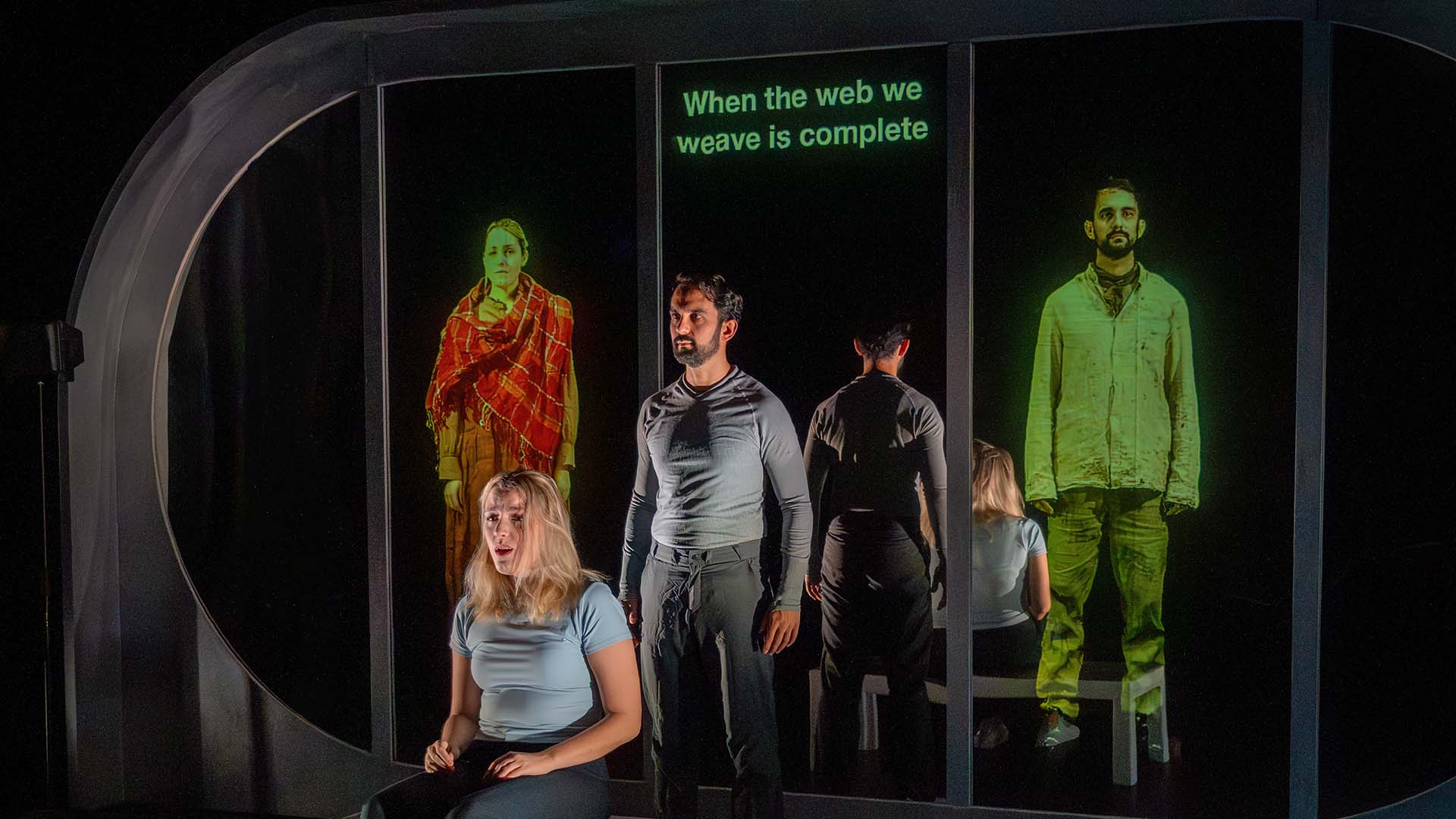
The University of Huddersfield has once again pushed the boundaries of contemporary performance with Ben Crick’s new opera, The Last Machine Breaker. The work, described as an “innovative Luddite opera”, juxtaposes the early days of the Industrial Revolution with a speculative 2030 future, using green‑screen technology to have a single cast inhabit four distinct roles. The result is a striking visual and musical commentary on the relationship between technology and labour, a theme that resonates deeply in the UK’s evolving cultural landscape.
Bridging Past and Future: The Last Machine Breaker
At its core, the opera tells two parallel stories. In the 19th‑century setting, textile workers in the Huddersfield area confront the arrival of mechanised looms, echoing the real‑world Luddite riots that once shook the region. In the 2030 timeline, the same characters—now portrayed by the same performers—face the rise of AI‑driven manufacturing, raising questions about job security, identity, and the human cost of progress.
A Dual Timeline Narrative
By having the cast perform against large avatar versions of themselves, the production creates a visual dialogue between eras. The audience witnesses the same faces, voices, and emotions reflected in two different contexts, underscoring how the core human concerns surrounding technology remain unchanged.
Technology Meets Tradition
Green‑screen and pre‑recorded footage are not new tools in opera, but the scale and ambition of The Last Machine Breaker are unprecedented. The production required complex infrastructure: multiple cameras, real‑time compositing, and precise timing to sync live singing with digital avatars. For students and professionals, this demonstrates how traditional art forms can be revitalised through modern technology, offering fresh avenues for creative expression.
The Role of the University of Huddersfield
Ben Crick, a conducting tutor at the university, led the project and invited third‑year music students to shadow the production. This hands‑on experience gave them insight into the practicalities of staging a technologically driven opera, from lighting design to post‑production editing.
Student Involvement and Career Development
Crick emphasised the importance of building industry connections early. “Music is a brutally competitive world,” he said. “We need to give students contacts in the industry before they leave.” By working on a real commission—funded by the Arts Council and commissioned by the Bradford Opera Festival—students gained portfolio material that showcases their adaptability and technical proficiency.
Academic Programs Supporting Innovation
The University of Huddersfield offers a range of music and technology courses that prepare students for the evolving demands of the performing arts. Programs such as Music Technology, Performance Studies, and Digital Media Production provide the theoretical foundation and practical skills needed to create works like The Last Machine Breaker. Prospective students can explore these options through the university’s Music and Technology page.
Lessons for Music Professionals and Students
Whether you are a seasoned conductor, a budding composer, or a student looking to break into the industry, the opera offers actionable insights.
Integrating Green Screen and AI in Performance
- Plan Early: Map out the narrative structure before setting up the technical elements. A clear storyboard helps avoid costly last‑minute changes.
- Collaborate Across Disciplines: Work closely with lighting designers, sound engineers, and software developers to ensure seamless integration.
- Rehearse with Technology: Schedule dedicated tech‑rehearsals so performers become comfortable with the timing and cues required for live‑vs‑pre‑recorded interaction.
Building a Career in a Tech‑Driven Industry
Modern opera and contemporary music increasingly rely on digital tools. Building a portfolio that showcases both musical skill and technical competence can set you apart. Consider the following steps:
- Document your process—record rehearsals, create behind‑the‑scenes videos, and share them on professional platforms.
- Network with industry professionals at festivals, workshops, and online forums.
- Stay updated on emerging technologies such as real‑time motion capture, AI‑generated scores, and immersive audio formats.
Engaging with the Local Community
One of the opera’s strengths is its deep connection to Huddersfield’s heritage. A performance in the village of Marsden—site of historic Luddite riots—added authenticity and community resonance.
Showcasing Heritage in Marsden
By staging the opera in a location tied to the story, the production invited local residents to reflect on their own history. This approach demonstrates how contemporary art can serve as a bridge between past and present, fostering dialogue and cultural pride.
Audience Participation and Feedback
After each performance, the team collected audience reactions through surveys and social media. The feedback highlighted the power of visual storytelling and the emotional impact of seeing familiar faces in unfamiliar contexts. For future productions, consider incorporating interactive elements—such as live polls or post‑show Q&A sessions—to deepen engagement.
How to Get Involved
There are several ways to participate in or support this innovative work.
Apply to the University of Huddersfield Music Program
Students interested in combining music with technology can apply to the university’s music courses. The application process is straightforward: visit the music department page and submit your portfolio and personal statement.
Attend Future Performances
Keep an eye on the university’s event calendar for upcoming productions. The next run of The Last Machine Breaker is scheduled for early 2026, and tickets can be purchased through the events portal.
Connect with the Creative Team
Follow Ben Crick and the production team on social media for behind‑the‑scenes updates and insights into the creative process. You can also reach out directly via the university’s contact page to inquire about workshops or collaborations.
Conclusion
Ben Crick’s The Last Machine Breaker exemplifies how the University of Huddersfield is at the forefront of blending historical narrative with cutting‑edge technology. The opera not only challenges audiences to reconsider the role of AI in society but also provides a practical roadmap for musicians, composers, and technologists seeking to innovate within the performing arts.
Ready to explore a career that fuses music and technology? Apply to the University of Huddersfield Music Program today and become part of the next generation of creative innovators.
Want to experience the opera firsthand? Attend the next performance of The Last Machine Breaker and witness how the past and future collide on stage.
Have questions about the production or the university’s music courses? Contact the music department for more information.
Share your thoughts in the comments below or join the conversation on social media. Your feedback helps shape future projects that continue to push artistic boundaries.
Explore related articles on the University of Huddersfield’s website to stay informed about upcoming innovations in music and technology.