Newcastle University UK: Celebrating Olympic and Paralympic Alumni and Their Sports Achievements
Newcastle University has a proud tradition of nurturing talent that extends far beyond lecture halls and laboratories. Over the past seven decades, numerous graduates have pulled on the colours of Great Britain and represented their country at the Olympic and Paralympic Games. Their stories illustrate how academic excellence can coexist with elite athletic performance, offering inspiration for current and prospective students who wish to pursue both scholarly and sporting ambitions.
Why Newcastle University’s Sporting Legacy Matters
The university’s alumni network includes medal‑winning sprinters, rowers, triple jumpers, Paralympic swimmers and rugby sevens players. These individuals have not only achieved personal success but have also contributed to the broader sporting culture in the UK and beyond. Highlighting their accomplishments serves two purposes: it showcases the supportive environment Newcastle provides for student‑athletes, and it offers concrete examples of how balancing rigorous study with high‑level training can lead to extraordinary outcomes.
Spotlight on Olympic Alumni
Alan Lillington MBE – Early Sprinting Pioneer
At just 19, Alan Lillington lined up for the men’s 100 m at the 1952 Helsinki Olympics. Though he did not medal, his participation marked the beginning of a long relationship between Newcastle University and Olympic athletics. After graduating in medicine (MBBS, 1956), Lillington enjoyed a distinguished career as a paediatrician in Sunderland, proving that a sporting background can complement a professional life in healthcare.
Sir Brendan Foster CBE – From Olympic Bronze to the Great North Run
Sir Brendan Foster’s Olympic journey culminated in a bronze medal in the 10,000 m at the 1976 Montreal Games. His achievements on the track earned him the BBC Sports Personality of the Year award in 1974. Beyond competition, Foster channeled his passion for distance running into community impact by founding the Great North Run in 1981. Today, the race attracts 60,000 participants annually and has become a cornerstone of the North East’s sporting calendar.
Ed Coode MBE – Olympic Gold in Rowing
Ed Coode’s rowing career peaked with a gold medal in the men’s coxless four at the 2004 Athens Olympics. A former member of the Newcastle University Boat Club, Coode helped establish the inaugural ‘Boat Race of the North’ on the River Tyne, a tradition that continues to this day. After retiring from elite rowing, he qualified as a solicitor and was appointed an MBE for services to sport in 2005.
Alastair Heathcote – Silver in the Men’s Eight
Building on Coode’s legacy, Alastair Heathcote secured a silver medal as part of the men’s eight at the 2008 Beijing Olympics. Heathcote’s early success included bronze medals at the Rowing World Cup in Amsterdam and the World Championships in Munich, illustrating the consistent pipeline of talent emerging from Newcastle’s rowing programme.
Jonathan Edwards CBE – Triple Jump World Record Holder
Jonathan Edwards remains one of Britain’s most celebrated field athletes. His gold medal at the 2000 Sydney Olympics and silver at Atlanta 1996 were accompanied by two world‑record jumps in 1995, a feat that earned him the BBC Sports Personality of the Year award and subsequent honours (MBE, then CBE in 2001). Edwards’ post‑athletic career as a television commentator demonstrates how sporting expertise can translate into media and public engagement.
Paralympic Excellence: Alumni Who Redefined Possibility
Baroness Tanni Grey‑Thompson DBE, DL – A Paralympic Legend
Few athletes have matched the impact of Baroness Tanni Grey‑Thompson. Competing in five Paralympic Games, she amassed 11 gold, 4 silver and 1 bronze medals, alongside over 30 world records. Her advocacy for disabled sport led to a life peerage in 2010 and the BBC Sports Personality of the Year Lifetime Achievement Award in 2019. Grey‑Thompson’s journey from a bronze medal in Seoul 1988 to double gold in Athens 2004 showcases the power of perseverance and institutional support.
Susannah Rodgers MBE – Paralympic Swimming Champion
Susannah Rodgers represented Team GB at London 2012 and Rio 2016, collecting a total of 30 international medals. Her Paralympic debut yielded three bronze medals, while she added a gold in the women’s 50 m butterfly S7 at Rio 2016. Beyond the pool, Rodgers serves as a Non‑Executive Director, Ambassador and Patron for various disability‑focused organisations, and was honoured with an MBE in 2017 for services to swimming.
Recent Triumphs: The 2024 Paris Olympics Rowing Squad
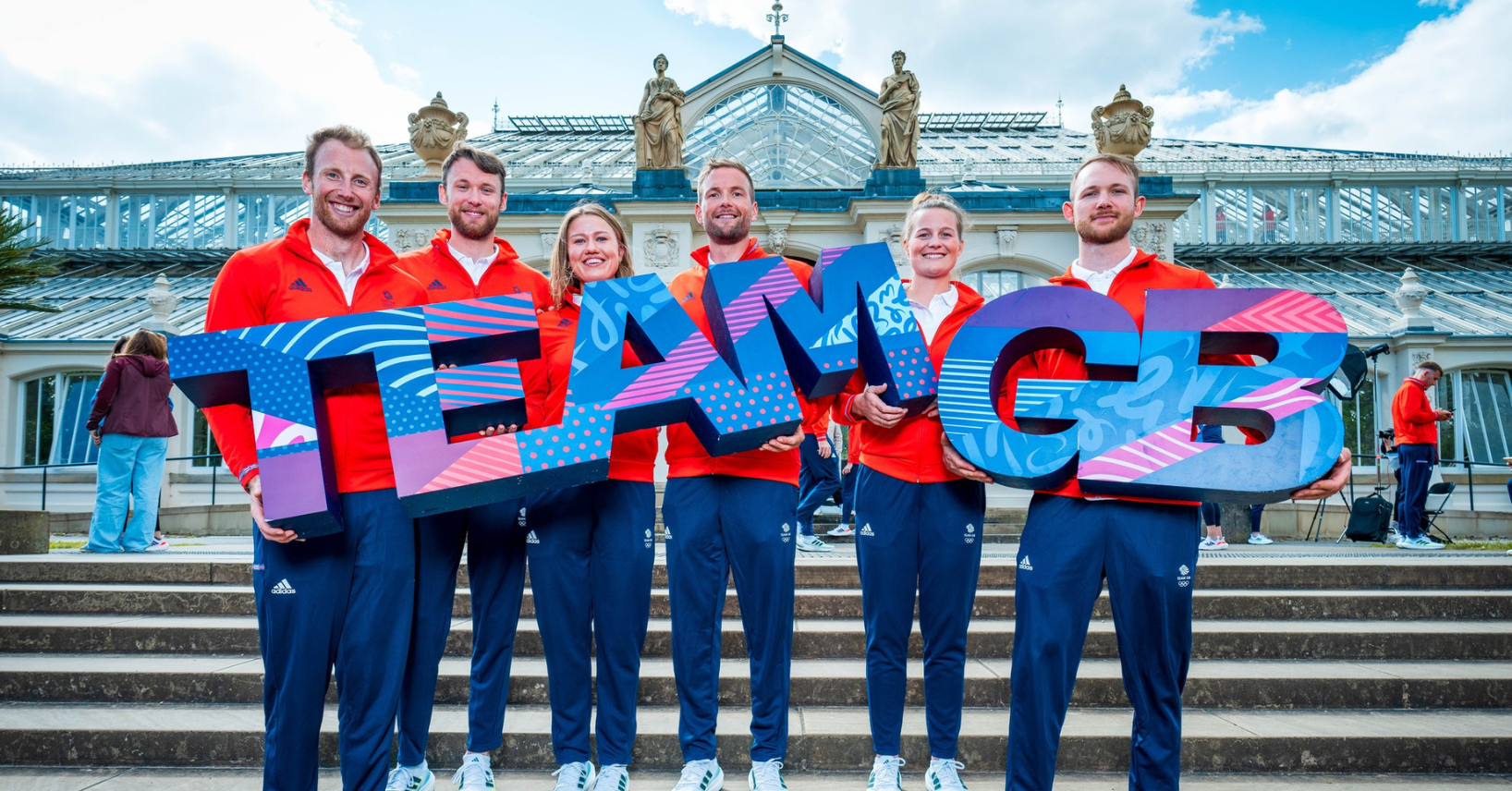
The most recent showcase of Newcastle’s strength in sport came at the Paris 2024 Olympics, where a record six alumni from the University Boat Club competed for Team GB. The crew included:
- Tom Ford (BA Geography & Planning, 2014) – double world champion (2022, 2023) and Olympic bronze medallist in the men’s eight (Tokyo 2020).
- James Rudkin (BA Politics & History, 2015) – fellow double world champion and Olympic bronze medallist.
- Emily Ford (BA Fine Art, 2017) – part of the historic women’s quadruple sculls that secured gold in Paris.
- Lola Anderson (BA English Literature, 2019) – awarded an MBE in 2025 for services to rowing.
- Will Stewart (MPhys Physics, 2019) – world champion in the coxless four (2022) and Olympic medallist.
- James Robson (MA International Politics, 2018) – reserve athlete in Paris, later crowned world champion in the coxless four (2025).
Their collective success—gold in the men’s eight and women’s quadruple sculls, bronze in the women’s eight—highlights the depth of talent cultivated within Newcastle’s rowing programme and the university’s commitment to supporting athletes through academic flexibility, top‑class coaching, and access to world‑leading facilities.
How Newcastle University Supports Student‑Athletes
Prospective students who aspire to combine academic study with high‑performance sport can benefit from several institutional provisions:
- Flexible Learning Options: Many departments offer part‑time, online or blended study pathways that accommodate training camps and competition schedules.
- Dedicated Sports Scholarships: The university provides financial awards for athletes demonstrating exceptional potential, helping to cover tuition, living costs and sport‑related expenses.
- World‑Class Facilities: Access to the Sports Centre, indoor rowing tank, strength and conditioning gym, and outdoor tracks enables athletes to maintain peak condition.
- Coaching and Performance Support: Qualified coaches, physiotherapists, nutritionists and psychologists work closely with student‑athletes to optimise performance and wellbeing.
- Alumni Mentoring Network: Former Olympians and Paralympians often return to campus to share insights, offer guidance and inspire the next generation.
These resources create an environment where sporting ambitions are not seen as a distraction from academic pursuits, but as a complementary dimension that enriches the overall university experience.
Actionable Steps for Aspiring Student‑Athletes
If you are considering Newcastle University as the next step in your academic and athletic journey, here are practical steps you can take:
- Research Your Programme: Identify courses that offer the flexibility you need. Look for modules with optional placements or project‑based assessments that can be scheduled around training.
- Contact the Sports Office: Reach out early to discuss scholarship eligibility, facility access and support services. The sports office can provide a tailored plan based on your sport and level.
- Connect with Current Student‑Athletes: Use alumni networks or university social media groups to speak with peers who are balancing study and sport. Their firsthand advice can be invaluable.
- Prepare a Sporting Portfolio: Gather competition results, coaching references and video highlights. A strong portfolio strengthens scholarship applications and demonstrates commitment.
- Visit Campus: Attend an open day or sports‑specific tour to see the facilities, meet coaches and get a feel for the community.
Taking these steps early increases your chances of securing both a place on your desired course and the support needed to excel in your sport.
The Broader Impact of Newcastle’s Sporting Alumni
The achievements of Newcastle’s Olympic and Paralympians extend beyond personal accolades. They have:
- Inspired youth participation in sport across the North East and nationally.
- Contributed to charitable initiatives—many alumni use their platform to raise funds for causes ranging from children’s hospitals to disability inclusion.
- Enhanced the university’s reputation, attracting prospective students who value a balanced academic‑athletic experience.
- Fostered innovation in sports science, with several graduates pursuing research in biomechanics, physiology and performance psychology.
This ripple effect demonstrates how investing in student‑athlete development yields benefits that resonate throughout society.
Conclusion: Your Path to Excellence Starts Here
Newcastle University’s legacy of Olympic and Paralympic success is a testament to the institution’s ability to nurture talent in multiple domains. Whether you dream of standing on an Olympic podium, breaking a Paralympic world record, or simply excelling in your chosen sport while earning a respected degree, the university offers the resources, community and flexibility to help you achieve those goals.
If you are ready to explore how Newcastle University can support your academic and athletic aspirations, consider the following next steps:
- Submit your application today to begin your journey toward a degree that complements your sporting ambitions.
- Schedule a free consultation with our admissions and sports support teams to discuss your individual needs.
- Share your experiences in the comments below if you are already a student‑athlete or alumnus—your story could inspire others.
- Explore our related articles on sports scholarships, training facilities and alumni success stories for further reading.
Newcastle University stands ready to help you turn ambition into achievement—both in the lecture hall and on the field of play.