
Loughborough University Guidelines for Safe Sports Supplements and Athlete Nutrition at the Commonwealth Games
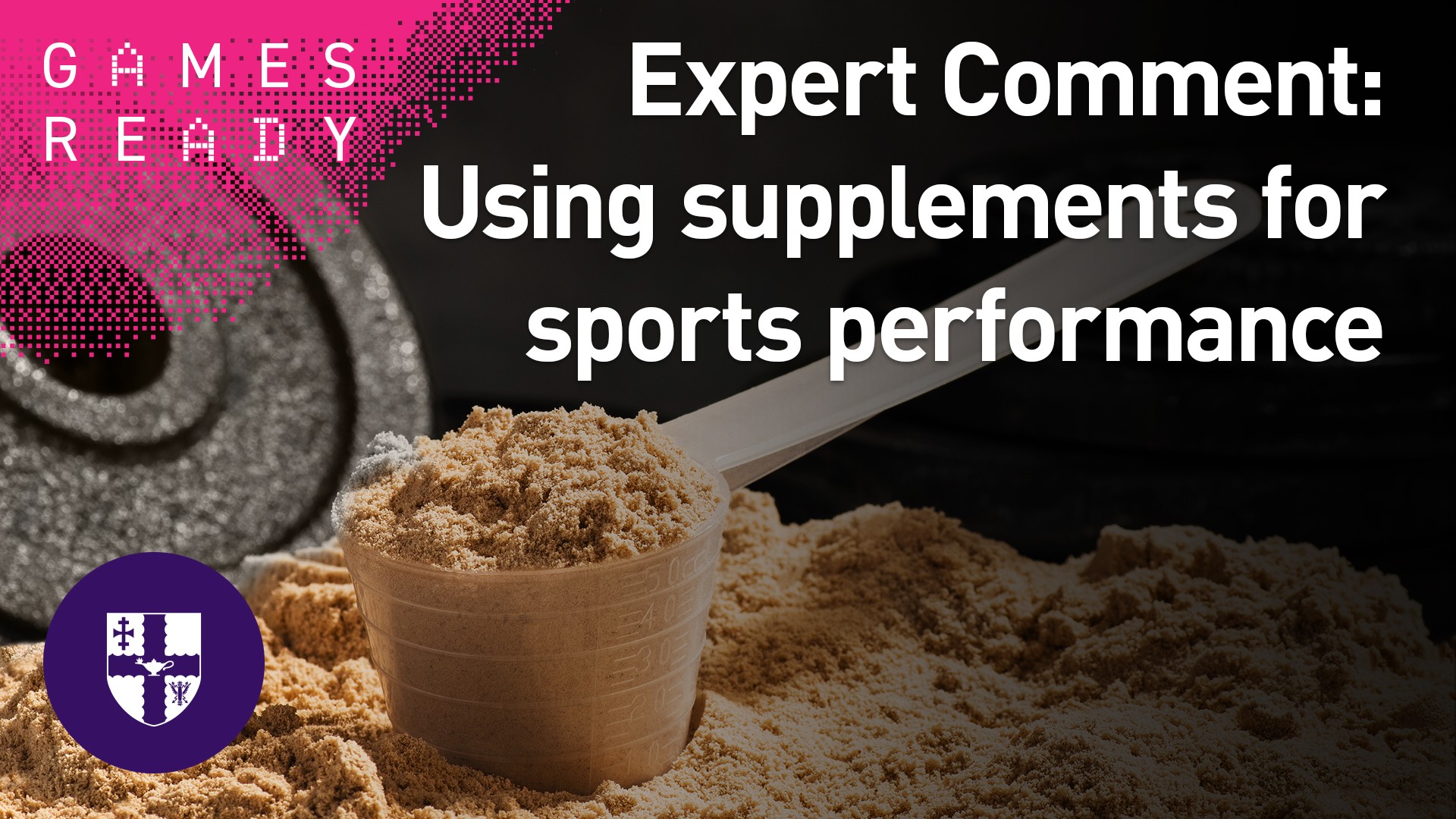
Understanding the Role of UK Sports Supplements in Elite Competition
Navigate the aisles of any health store or scroll through fitness social media feeds, and you will encounter thousands of products promising faster recovery, increased strength, and enhanced endurance. The sports supplements industry generates billions of pounds annually in the UK and globally. Yet, amidst the marketing noise, determining which products actually support athlete nutrition remains a significant challenge. As athletes prepare for high-stakes events like the Commonwealth Games, the margin for error is exceptionally small. Relying on ineffective or contaminated products can derail years of rigorous training.
Evaluate the claims of any supplement critically before incorporating it into your routine. Performance nutritionists consistently emphasize that no pill or powder can replace a poorly constructed diet. Supplements are exactly what their name implies: additions to an already robust nutritional foundation. Understanding how elite sporting institutions approach this topic provides a valuable blueprint for athletes at all levels to manage their own health and performance safely.
How Loughborough University Manages Athlete Nutrition
Assess the strategies employed by top-tier sporting institutions, and you will find a highly methodical approach to athlete nutrition. Loughborough University consistently ranks as the best university in the world for sports-related subjects. This academic and practical excellence extends directly into how it supports its athletes, including those competing on the international stage at the Commonwealth Games.
Bethan Crouse, a Performance Nutritionist working within the Loughborough University support team, highlights that their methodology always begins with a food-first philosophy. Before any powders or pills are recommended, nutritionists analyze an athlete’s daily dietary intake, training load, and specific physiological demands. Only when dietary gaps are identified, or when a specific nutritional timing requirement cannot be met through whole foods alone, does the team introduce sports supplements. This prevents unnecessary spending and minimizes the risk of adverse health effects.
Schedule a free consultation to learn more about how professional nutritional assessments can optimize your training regimen.
Timing and Dosage: Critical Factors in Sports Supplements
Consume the right supplement at the wrong time, and you may entirely negate its benefits. The efficacy of sports supplements is heavily dependent on dosage specificity and timing relative to exercise. Elite athletes do not simply take supplements randomly throughout the day; they align their intake with their body’s physiological windows for absorption and utilization.
Post-Training Protein Intake
Maximize muscle protein synthesis by consuming fast-absorbing protein within a precise window. Research indicates that ingesting protein powder within 30 to 60 minutes following a strenuous training session provides the amino acids necessary to repair micro-tears in muscle tissue. During this post-workout period, the body is primed to utilize these nutrients efficiently, facilitating recovery and promoting muscle growth. Missing this window, or failing to consume adequate protein, can prolong recovery times and increase the risk of overtraining.
Pre-Training Collagen Supplementation
Support your connective tissues by adjusting the timing of specific supplements like collagen. Unlike protein powder, which is taken post-training, collagen requires a different approach to be effective. Ingest collagen approximately 60 minutes before a training session begins. This lead time allows the amino acids to peak in the bloodstream and be absorbed by the tendons and ligaments during the mechanical loading of the workout. This targeted approach helps strengthen connective tissues, potentially reducing the likelihood of injuries such as tendinopathy.
Share your experiences in the comments below regarding how supplement timing has impacted your recovery.
The Hidden Dangers of Contamination in Athlete Nutrition
Protect your career and your health by understanding the severe risks of supplement contamination. One of the most critical issues in athlete nutrition is the presence of prohibited substances in over-the-counter supplements. Manufacturing facilities often produce multiple products on the same equipment. Without rigorous cleaning protocols, trace amounts of stimulants, anabolic agents, or other banned substances can cross-contaminate supposedly safe products like vitamins or protein powders.
In the context of the Commonwealth Games and other elite competitions, an anti-doping violation results in severe bans, stripped medals, and irreparable reputational damage. Athletes bear strict liability for what enters their bodies, meaning that claiming ignorance of a contaminated supplement is not a valid defense. To mitigate this risk, experts strongly advise using only products that have undergone rigorous third-party batch testing.
In the UK, Informed Sport serves as the primary batch testing organization. A supplement carrying the Informed Sport logo indicates that every single batch has been tested for contaminants before being released to the market. Relying on this certification keeps athletes as safe as possible from inadvertent doping violations.
Science-Backed Sports Supplements vs. Social Media Trends
Distinguish between evidence-based nutrition and viral marketing when selecting sports supplements. Social media platforms are flooded with influencers promoting the latest health fads, many of which lack any credible scientific backing. Athletes must filter out this noise and focus on supplements with robust clinical data supporting their efficacy.
Supplements with Strong Scientific Backing
Focus your investment on supplements that have been extensively researched over decades. Three primary supplements consistently demonstrate safety and efficacy when used correctly:
- Protein Powder: Essential for meeting elevated protein requirements, especially post-training, to aid muscle repair and growth.
- Creatine: One of the most studied supplements in sports science. It increases phosphocreatine stores in the muscles, improving strength, power output, and recovery during high-intensity, short-duration activities.
- Beta-Alanine: This amino acid helps produce carnosine, which buffers acid buildup in the muscles during high-intensity exercise (one to four minutes), delaying fatigue and improving overall performance capacity.
The Problem with Viral “Quick Fix” Powders
Ignore the hype surrounding trendy supplements like green powders. While marketed as an easy way to consume all your daily micronutrients in a single scoop, these products often fall short. Whole fruits and vegetables provide a complex matrix of vitamins, minerals, phytochemicals, and dietary fiber that a processed powder cannot replicate. The bioavailability of nutrients in whole foods is generally superior. Relying on a green powder instead of consuming a varied diet rich in actual vegetables is a misguided approach to athlete nutrition.
Explore our related articles for further reading on the latest peer-reviewed sports science research.
The Risks of Unmonitored Micronutrient Supplementation
Avoid self-prescribing high-dose vitamins and minerals without medical supervision. While some nutrients are difficult to obtain in sufficient quantities from food alone—particularly iron for athletes who do not consume red meat—blindly supplementing carries significant health risks.
Iron and Vitamin D are two critical micronutrients frequently supplemented by athletes. However, both are fat-soluble or heavily stored by the body. Continuously taking iron supplements when your levels are already sufficient can lead to iron overload, causing liver damage, heart problems, and diabetes. Similarly, excessive Vitamin D supplementation can lead to hypercalcemia, resulting in nausea, weakness, kidney stones, and calcium deposits in soft tissues.
Request a comprehensive blood test before beginning any micronutrient supplementation. A qualified sports nutritionist or medical professional can analyze these results to identify specific deficiencies and prescribe the exact dosage required to restore optimal levels safely. This clinical approach prevents the dangerous assumption that “more is better.”
Essential Steps Before Starting Any Supplement Regimen
Implement a structured protocol before introducing new products into your athlete nutrition plan. High-performance athletes do not leave their supplement choices to chance, and neither should you. Follow these actionable steps to ensure your approach is safe, legal, and effective:
- Audit Your Diet First: Calculate your macronutrient and micronutrient intake from whole foods. Identify genuine deficiencies before looking for external solutions.
- Get Blood Work Done: Establish baseline health markers. Never guess about deficiencies, especially concerning iron, Vitamin D, or Vitamin B12.
- Verify Third-Party Testing: Check for batch-tested certifications like Informed Sport. If a product does not carry a recognized certification, do not consume it.
- Consult a Professional: Work with a registered sports nutritionist who understands the specific demands of your sport and can tailor advice to your physiology.
- Monitor and Adjust: Track your performance, recovery metrics, and how you feel after introducing a supplement. If it provides no measurable benefit after a designated trial period, discontinue its use.
The pursuit of athletic excellence requires discipline, not just in training, but in every aspect of lifestyle management. By adopting the rigorous, evidence-based standards practiced at elite institutions like Loughborough University, athletes can safely utilize sports supplements to support their goals while protecting their health and competitive eligibility.
Have questions? Write to us! We welcome your inquiries about safe supplementation practices.
Are you passionate about the science behind human performance? Submit your application today to study sports science at a world-leading institution.