
How Distracted Dog Walkers Increase Wildlife Risk and Complicate Livestock Protection: New UK Study Findings
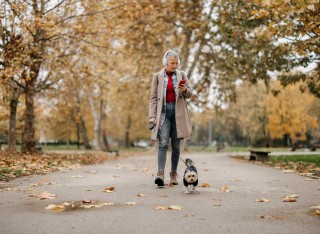
Millions of dog walkers head into the UK countryside every week, and for most, the routine is simple: leash on, bag in pocket, path ahead. Yet new research from the University of Surrey suggests that the moments when attention drifts—checking a phone, chatting with a companion, or managing several dogs at once—are precisely when environmental damage happens. The study, published in Society & Natural Resources, found that distracted walking is a genuine driver of wildlife risk and a complicating factor for livestock protection, even among owners who genuinely care about the countryside.
The findings matter for anyone who walks a dog in shared green space, from village footpaths to national parks. They also carry practical lessons for land managers, farmers, and conservation teams working to balance public access with habitat protection. This article breaks down what the researchers found, why the causes are more nuanced than they first appear, and what both walkers and land managers can do about it.
What the University of Surrey Research Revealed About Dog Walkers
Researchers spent 40 hours observing dog walkers at four popular Surrey sites: Puttenham Common, the Chantries and St Martha’s Hill, Norbury Park, and Denbies Wine Estate. They followed the fieldwork with a workshop involving 15 farmers, land managers, countryside business owners, and conservation professionals to interpret what they had seen and to test potential solutions.
Across the observation periods, the team recorded 11 occasions when dog fouling went unnoticed and uncollected. The pattern of where that waste appeared was telling. It clustered heavily within 50 to 100 metres of car parks and along the busiest stretches of path, reflecting a simple behavioural truth: dogs tend to toilet near the start of a walk, not halfway through it.
Walkers using phones or wearing headphones sometimes failed to notice their dog fouling, straying off the path, or edging into sensitive habitats. People walking in social groups could become equally absorbed in conversation. Professional dog walkers faced a different challenge entirely—dividing attention across several animals at once, which makes it nearly impossible to monitor every dog’s behaviour in every moment.
Crucially, the researchers also documented the positive. The majority of walkers consistently picked up after their dogs, and some even collected waste left by other animals. The problem, in other words, is not a population of careless owners. It is a set of everyday conditions that make responsible behaviour harder than it needs to be.
Divided Attention, Not Deliberate Neglect, Drives Most Wildlife Risk
Dr Tom Roberts, Senior Lecturer in Environmental Sociology at the University of Surrey and Co-Director of the university’s Institute for Sustainability, summarised the core insight: dog walkers are often portrayed as either responsible or irresponsible, but the reality is far more complicated. Most people care deeply about their dogs and the countryside. Problems frequently arise because attention is divided, or because facilities do not match how dog walking actually happens.
This reframing matters for policy and practice. If the assumption is that offenders simply do not care, the typical response is stricter rules and harsher signage. But if the real cause is distraction and mismatched infrastructure, the effective response looks quite different: design the environment so that doing the right thing is easy, obvious, and automatic.
The Moments That Matter Most
Wildlife disturbance often happens in seconds. An off-lead dog bounding into undergrowth can flush ground-nesting birds from eggs or chicks that then fail to survive. A dog approaching sheep or cattle can trigger panic, injury to animals, and in rare cases danger to the walker. None of these incidents requires malice—they require only a lapse in attention at the wrong moment.
The Surrey observations confirmed these dynamics in practice. Researchers recorded off-lead dogs entering undergrowth, disturbing birds, and approaching livestock. In each case, the walker’s awareness lagged behind the dog’s behaviour, often by only a few seconds—but long enough for harm to occur.
Livestock Protection Remains a Serious Concern for Farmers
For the farmers and land managers who took part in the study workshop, livestock protection is not an abstract issue. Dogs approaching sheep can cause miscarriages in pregnant ewes, physical injuries, and stress that affects entire flocks. Cattle can react unpredictably when startled by a loose dog, putting animals, walkers, and their pets at risk.
Workshop participants were clear about what would help. Rather than placing bins only at car park entrances, they recommended positioning them where dogs actually toilet—typically within the first 50 to 100 metres of a walk. They also supported creating dedicated off-lead areas away from sensitive habitats, developing community-led stewardship schemes, and installing short, friendly signs at junctions and other decision points rather than long lists of rules at entry gates.
One observation from the study is particularly useful for land managers: seasonal signs explaining why ground-nesting birds are vulnerable attracted more attention than generic instructions to keep dogs on leads. Context and explanation outperform commands. However, engagement dropped as signs became familiar over time, which suggests messaging needs regular rotation and renewal to stay effective.
Practical Steps Dog Walkers Can Take Today
The good news from this research is that the fixes for distracted walking are simple and free. Dog walkers who want to reduce wildlife risk and support livestock protection can start with these habits:
- Watch the first 100 metres. Because dogs toilet near the start of a walk, stay especially alert when leaving the car park, and have a waste bag ready before you set off.
- Keep phones pocketed on sensitive paths. Save calls and messages for stretches where your dog is safely on the lead and away from livestock or nesting habitat.
- Use headphones with one ear free—or not at all. You cannot hear your dog rustling in undergrowth, or livestock nearby, over a podcast.
- Clip the lead near animals and nesting areas. Even well-trained dogs respond to instinct. Seasonal signs and local guidance exist for a reason.
- If you walk multiple dogs, build in checkpoints. Pause regularly to count heads and check behaviour rather than assuming all is well.
- Read the seasonal signs. They explain which species are vulnerable and when. Understanding the reason makes compliance feel like stewardship rather than restriction.
None of these steps requires extra equipment or extra time. They require only brief, deliberate moments of attention at the points where it counts. Looking for more ways to enjoy the countryside responsibly? Explore our related articles on countryside access and conservation for further reading.
Designing for Real Behaviour: Lessons for Land Managers
Haeyoung Eun, Innovation Lead at the University of Surrey, made the case plainly: simply giving people more rules is unlikely to solve these problems. Land managers need to work with the routines, relationships, and practical realities of dog walking. Well-placed bins, timely messages, and suitable spaces for off-lead exercise could make responsible choices much easier.
For organisations managing countryside access, the study points to a practical checklist:
- Position waste bins at fouling hotspots, not just at entry points.
- Create designated off-lead zones that give dogs proper exercise while steering them away from fragile habitats.
- Use short, explanatory, seasonal signage at decision points such as path junctions, and refresh it regularly so it does not blend into the background.
- Involve local dog walking communities in stewardship. People protect the places they feel ownership of.
The researchers also argue that dog walking should be recognised as a genuinely valuable activity—a source of exercise, wellbeing, social interaction, and connection with nature. These same qualities, however, are what make people less vigilant, which is why thoughtful design and friendly communication matter more than ever.
A Shared Path Forward for Countryside Access
The University of Surrey study does not cast dog walkers as villains, and it does not let infrastructure failures off the hook. Instead, it describes a shared challenge: dogs and their owners behave in predictable ways, and the countryside can be managed to work with those patterns rather than against them.
For walkers, the takeaway is straightforward. Attention is the most valuable thing you carry on a walk—more valuable than the lead, the bags, or the treats. Spending it wisely at the start of the path, near livestock, and during nesting season is a small effort with a real payoff for wildlife.
For land managers, the message is equally clear. Meet dog walkers where they actually are: at the first hundred metres, at the junction, at the moment of decision. Small changes in bin placement, sign wording, and tone can achieve what walls of rules cannot.
Have questions about responsible dog walking in your local area, or experiences of your own to share? Join the conversation in the comments below—we would like to hear how these issues play out on the paths near you.
If you found this article useful, share it with your local walking group or on social media to help spread practical awareness of wildlife risk and livestock protection.
Explore our related articles for further reading on UK news affecting the countryside, and subscribe to our newsletter for regular updates on conservation, access, and rural affairs.