
Explore the 2025 Phone Fright Awards – How University of Wolverhampton’s Young Filmmakers Are Redefining Smart‑Phone Cinema
What the Phone Fright Awards Offer for Aspiring Filmmakers
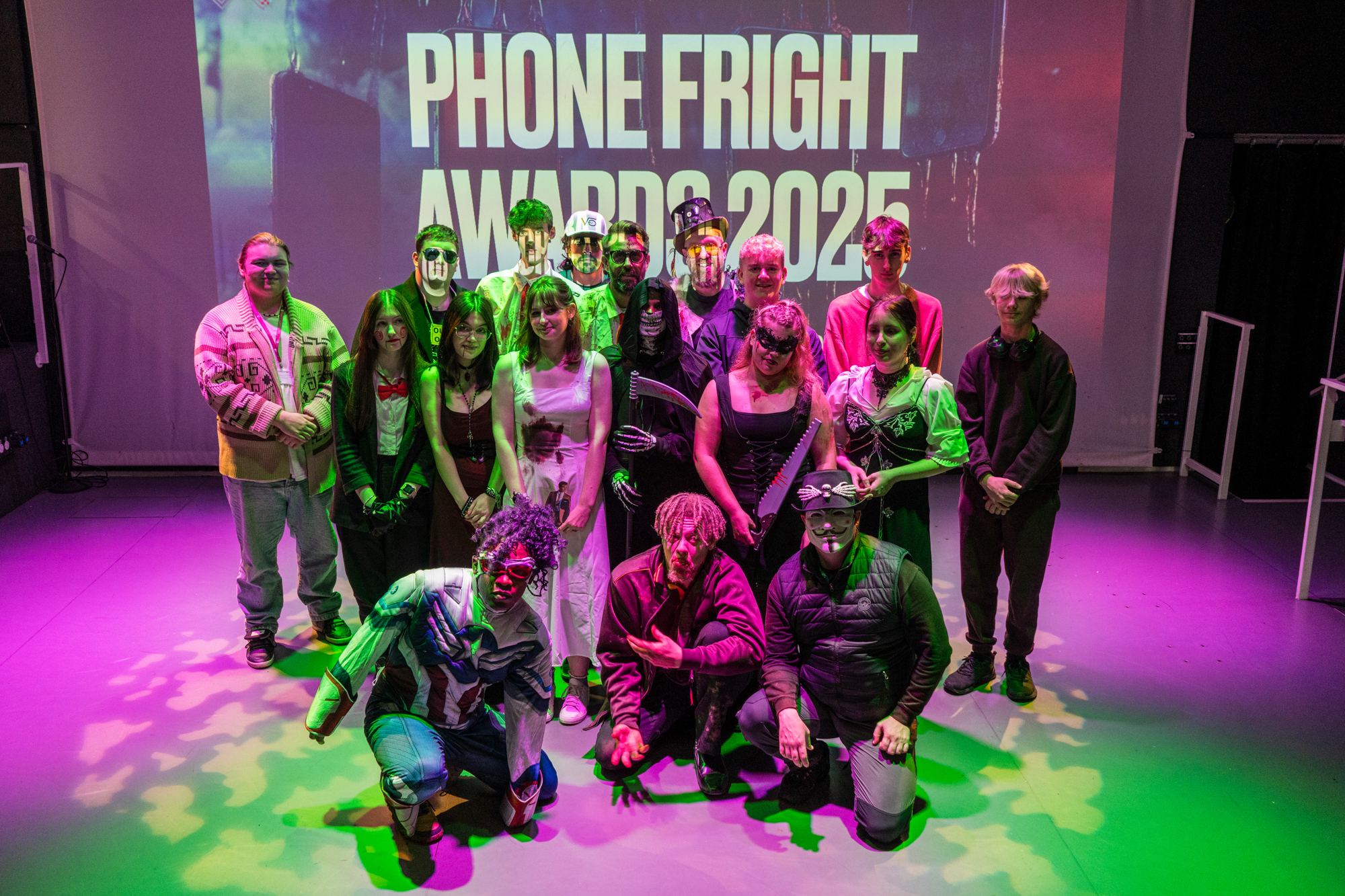
The 2025 Phone Fright Awards marked a memorable evening for students aged 16–21, showcasing how narrative power can trump high‑end gear. Hosted by the Screen School within the University of Wolverhampton’s School of Creative Industries, the competition challenged entrants to produce a three‑minute horror short entirely on a smartphone. The results were clear: talent and resourcefulness, not budget, win audiences and judges alike.
Why Phone‑Based Short Films Matter
- Accessibility: Almost every student owns a capable smartphone. The barrier to entry is minimal.
- Creative Constraint: Working within the limits of a phone forces focus on story, lighting and editing—skills that translate to any production scale.
- Portfolio Building: A finished piece can quickly populate a reel, a requirement for agency applications and further study.
When the University of Wolverhampton held its first Phone Fright event, it highlighted local talent and offered a professional stage. This year’s event drew over 500 attendees, including industry figures and horror aficionados who applauded the finalists and their casts.
How University of Wolverhampton Supports Film Students
The Screen School’s curriculum underpins the Phone Fright Awards, blending theory and practical modules that cover every stage of production—from pre‑planning to post‑production. Students gain hands‑on experience through workshops, access to on‑campus equipment, and mentorship from industry professionals.
Key Components of the Film Production Programme
- Short‑Form Production Modules: Dedicated courses on crafting engaging narratives within tight time frames.
- Digital Editing Labs: Facilities equipped with professional software and tutorials.
- Industry Networking Events: Regular Q&A sessions with filmmakers, producers and distributors.
- Portfolio Development Support: One‑to‑one coaching on presenting work for grants, festivals and job applications.
- Career Services: Career guidance tailored to creative industries, including internship placements and job matching.
Graduates from the BA (Hons) Film Production track frequently secure placements with UK media houses, independent production companies and emerging streaming platforms. They bring a unique perspective shaped by hands‑on phone filmmaking experience, making them valuable assets for any production team.
Steps to Create a Winning Phone‑Based Horror Short
Creating a film that resonates with audiences and judges involves deliberate planning, strong storytelling, and technical acumen. Here’s a practical roadmap tailored to the Phone Fright entry requirements.
1. Conceptualise a Tight, Impactful Story
With only three minutes on hand, focus on an idea that delivers immediate tension and a clear resolution. Choose a premise that can be filmed in a single setting to minimise complexity.
2. Script and Breakdown
Write a concise script, including key actions, sound cues and camera angles. Create a shot list to ensure you capture every necessary moment. Remember: in a smartphone shoot, a stable frame can be more powerful than fancy moves.
3. Pre‑Production Planning
- Scout a suitable location well in advance—consider lighting, privacy and noise.
- Assemble a small cast and crew; in many cases classmates volunteer their skills.
- Prepare a minimum gear list—tripod, external microphone, portable lighting.
4. Master the Smartphone Camera
- Explore advanced settings: manual focus, ISO limits, shutter speed.
- Use the rear camera; the front camera is often less reliable for production.
- Shoot in 1080p or 4K when available, but remember many smartphones limit bitrate.
- Experiment with stabilization apps or external gimbals.
5. Lighting and Sound
Keep lighting simple but effective: a single key light or the glow of a lamp can set a mood. For sound, an external mic attached to a smartphone or using an audio recorder uploads to your editing workflow.
6. Editing Efficiently
Use user‑friendly editing apps like Adobe Premiere Rush, LumaFusion or DaVinci Resolve on the desktop. Keep cuts tight, use jump cuts to maintain rhythm, and overlay a subtle soundtrack that enhances suspense.
7. Polish and Polish Again
Watch the film multiple times, check pacing, adjust color grading, and ensure sound sync. Involve peers for critique—a fresh pair of eyes can spot issues you might miss.
8. Submit and Handle Feedback
Follow the Phone Fright submission guidelines precisely. Prepare a short synopsis, cast list and a unique title card. After the screening, reflect on judges’ comments and use them to refine future projects.
Leverage the Phone Fright Experience for Your Career Path
Participating in the Phone Fright Awards isn’t just about winning a trophy. It’s a showcase of discipline, creativity and technical skill—traits recruiters in film and media companies value.
- Document the process on social media with behind‑the‑scenes clips; a series of reels can attract casting agencies.
- Feature the film prominently on your website or LinkedIn portfolio.
- Use the competition narrative in interview scenarios to illustrate your project management and problem‑solving abilities.
Next Steps for Film‑Focused Students and Educators
University of Wolverhampton continues to invest in resources that bridge classroom learning and industry practice. Upcoming courses include short‑term workshops focusing on mobile filmmaking techniques, screenwriting, and distribution strategies for digital platforms.
Faculty members regularly collaborate with local film festivals, providing students with pathways to broader exposure. The Screen School’s quality assurance programmes guarantee that alumni receive up‑to‑date training aligned with industry demands.
Suggested Actions for Prospective Applicants
- Apply to the BA (Hons) Film Production course today.
- Download the Phone Fright Awards guide to maximize your entry.
- Explore our short‑term filmmaking workshops and boost your portfolio.
- Share your short film story with us in the comments below and connect with fellow creators.
- Stay tuned for updates on future Phone Fright editions—registration opens in October 2026.
In summary, the 2025 Phone Fright Awards highlighted the rising tide of student talent at the University of Wolverhampton. By mastering smartphone filmmaking, building robust storytelling, and engaging with industry networks, you position yourself at the forefront of contemporary film production.
Begin your journey now: enroll in a film course, hone your craft, and seize every opportunity to bring your vision to the screen.