Explore Loughborough University’s C3ITEES Passport: Advancing Environmental Science UK and Youth Engagement
Environmental challenges are becoming more urgent, and the need for skilled professionals who can translate science into action has never been greater. A new initiative led by Loughborough University aims to bridge the gap between classroom learning and real‑world environmental work by creating a structured pathway for young people. The C3ITEES Passport project, funded by the Natural Environment Research Council (NERC), brings together universities, research institutes, government agencies and local organisations to design a cohesive model that nurtures curiosity, builds knowledge and opens doors to environmental careers across the UK.
What is the C3ITEES Passport?
The C3ITEES Passport is not a single course or a one‑off workshop; it is a progressive framework that guides learners from early exposure to environmental topics through to specialised training and career preparation. By mapping out clear stages of engagement—exploration, skill‑building, application and leadership—the passport helps students see how each experience connects to the next. This approach addresses a common barrier: fragmented opportunities that leave many young people unsure how to turn their interest in nature into a viable profession.
Schedule a free consultation to learn more about undergraduate pathways that align with the passport model.
Why a Place‑Based Approach Matters
One of the core principles of the C3ITEES Passport is its focus on local relevance. Activities are designed to be rooted in the landscapes and communities where participants live, whether that is a river corridor in the East Midlands, an urban green space in Leicester or a rural farmstead in Nottinghamshire. By grounding learning in familiar settings, the project boosts confidence and makes abstract concepts such as climate adaptation tangible. Young people can observe changes in their own neighbourhoods, collect data, and discuss solutions with local experts, turning theory into practice.
This place‑based strategy also supports the broader goal of widening participation. When environmental science feels connected to everyday life, it becomes more accessible to students from diverse backgrounds who might otherwise perceive the field as distant or elitist.
Building Skills for Climate Adaptation UK
Climate adaptation is a growing priority for governments, businesses and communities across the United Kingdom. The C3ITEES Passport incorporates modules that teach learners how to assess climate risks, develop resilience plans and communicate findings to stakeholders. Through fieldwork, data analysis workshops and scenario‑planning exercises, participants gain practical experience that is directly transferable to roles in environmental consultancy, local government agencies and non‑governmental organisations.
By embedding climate adaptation training early in the learner’s journey, the passport helps create a pipeline of professionals who are not only knowledgeable about climate science but also adept at applying that knowledge to real‑world challenges.
Explore postgraduate options that deepen expertise in climate adaptation and environmental management.
Fostering Youth Engagement in Environmental Careers
Youth engagement is more than just attracting students to science clubs; it involves sustaining interest over time and providing clear routes into employment. The C3ITEES Passport achieves this by partnering with schools, universities, employers and community groups to offer a variety of touchpoints:
- Introductory workshops that spark curiosity through hands‑on activities such as water quality testing or habitat mapping.
- Mentorship schemes that pair learners with professionals from the British Geological Survey, the Environment Agency and local environmental consultancies.
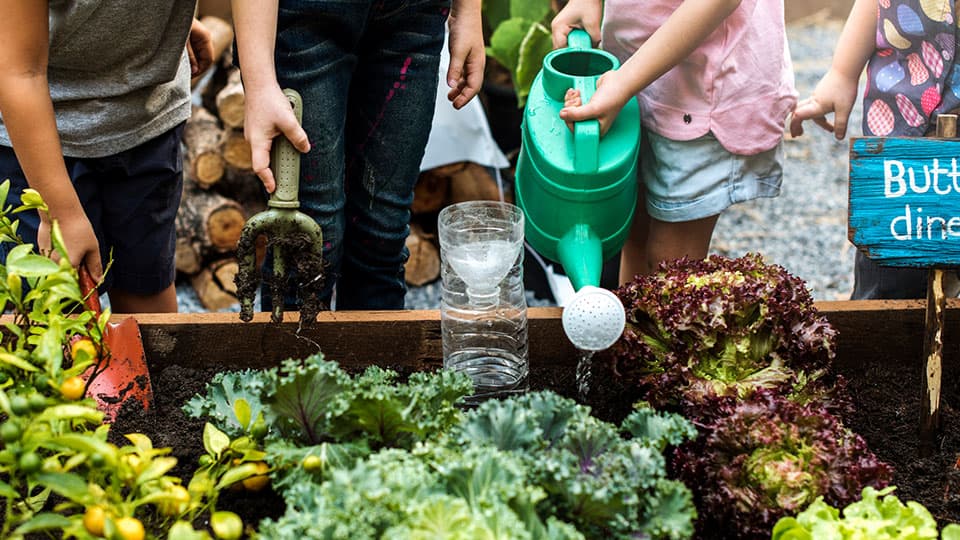
- Project‑based learning where students design and implement small‑scale interventions, like creating pollinator‑friendly gardens or developing community‑led flood‑awareness campaigns.
- Career‑exploration events that showcase the breadth of roles available—from field technicians and GIS analysts to policy advisors and sustainability officers.
These components work together to build a sense of belonging and to demonstrate that environmental science is a viable, rewarding career path for anyone, regardless of background.
Collaborative Partnerships Driving Impact
The strength of the C3ITEES Passport lies in its collaborative nature. The project unites Loughborough University with the British Geological Survey, the University of Leicester, the University of Nottingham, Nottingham Trent University, the Environment Agency (East Midlands), Charnwood Forest Geopark and a network of schools and community organisations. Each partner contributes unique expertise—whether it is geological data, educational outreach, policy insight or on‑the‑ground conservation work.
This multi‑sector approach ensures that the passport remains responsive to evolving industry needs and that learners receive a well‑rounded view of the environmental sector. It also creates opportunities for knowledge exchange among partners, leading to innovative teaching resources and shared best practices.
Discover current research projects that are shaping the future of environmental science in the UK.
Scalable Resources for Schools and Communities
To maximise reach, the C3ITEES Passport will produce a suite of open‑access resources that can be adapted by educators and community leaders. These include lesson plans, field‑guide booklets, digital toolkits for data collection and assessment rubrics that track learner progression. Because the materials are designed to be locally relevant yet scalable, a school in a rural village can implement the same core framework as a large urban academy, with adjustments that reflect local ecosystems and socio‑economic contexts.
By lowering the barrier to entry—providing ready‑to‑use, high‑quality materials—the project supports teachers who may lack specialised environmental training but are eager to bring real‑world science into their classrooms.
Measuring Success and Looking Ahead
Evaluation is built into the passport model from the outset. The team will track metrics such as participant retention, skill acquisition, satisfaction levels and eventual progression into further education or employment. Feedback loops with students, teachers and partners will inform continuous improvement, ensuring that the framework remains effective and inclusive.
If the pilot phase demonstrates positive outcomes, the ambition is to expand the C3ITEES Passport beyond the East Midlands, creating a national model that other regions can adopt. Such scalability would significantly strengthen the UK’s environmental science pipeline, helping to meet the growing demand for professionals capable of tackling climate change, biodiversity loss and sustainable development challenges.
How to Get Involved
Whether you are a student eager to explore environmental science, a teacher looking for engaging curriculum resources, or an organisation interested in partnering with the project, there are several ways to participate:
- Visit the Loughborough University website for updates on funding confirmation and upcoming events.
- Contact the project lead, Dr Katie Parsons, via the university’s press office to inquire about school collaborations.
- Follow the project’s social media channels for announcements about workshops, webinars and community activities.
- Consider enrolling in related undergraduate or postgraduate programmes that align with the passport’s learning outcomes.
Stay updated with the latest news from Loughborough University’s environmental initiatives.
The C3ITEES Passport represents a promising step toward a more inclusive, coherent and impactful environmental education landscape in the UK. By linking local experiences with national career pathways, the project not only prepares young people for the challenges of tomorrow but also empowers them to become active contributors to a sustainable future.