
Examine How Loughborough University Connects UK Water Safety, Heatwave Precautions, and Climate Justice
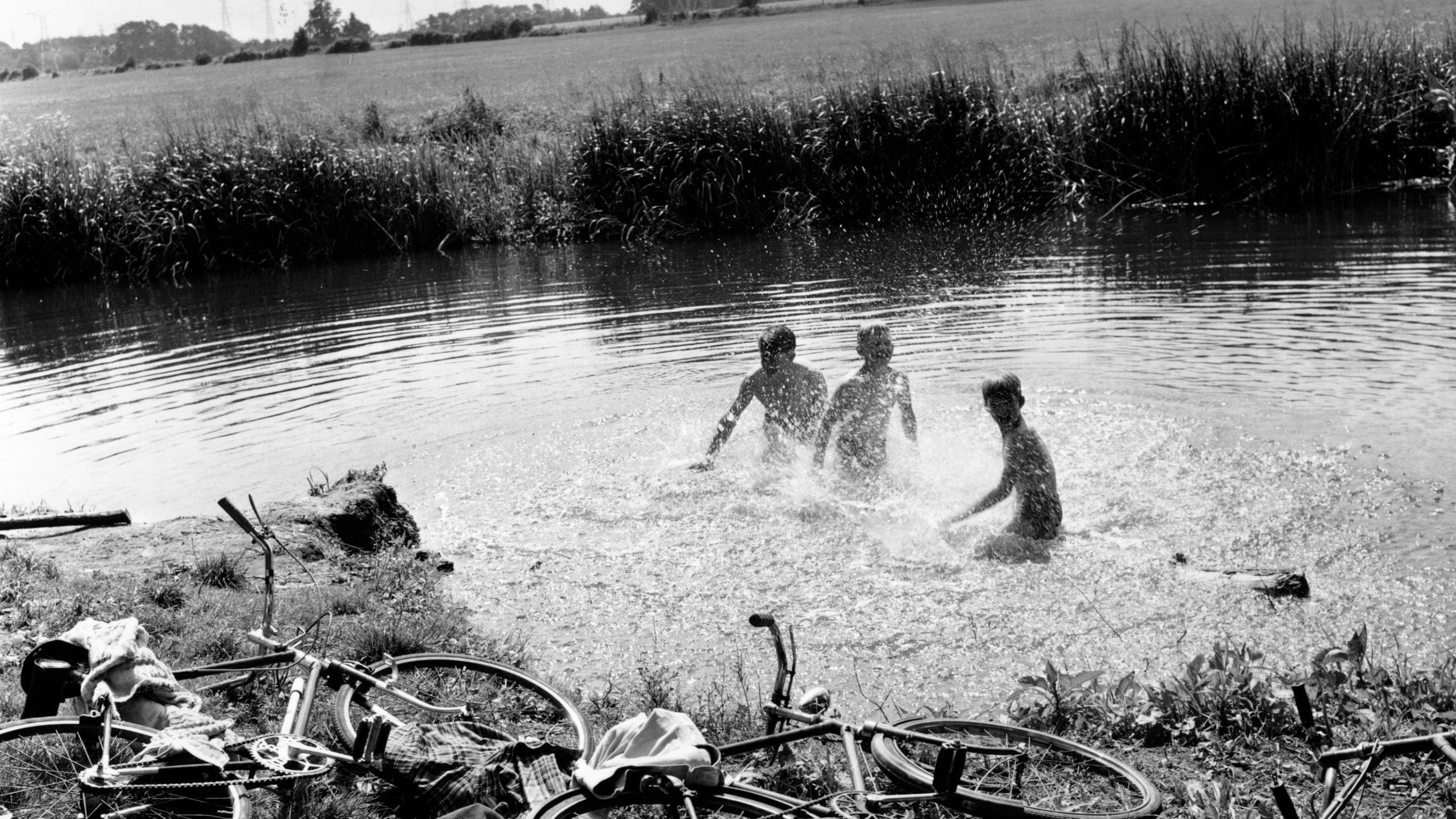
As temperatures rise across the UK, the conversation around heatwave precautions typically centers on staying hydrated, avoiding the sun during peak hours, and keeping indoor spaces cool. However, a pressing and often overlooked hazard emerges when the mercury spikes: the attraction of open water. Recent tragic incidents have highlighted the fatal risks of unsupervised swimming in rivers, lakes, and reservoirs. According to leading researchers at Loughborough University, addressing this crisis requires a fundamental shift in perspective. Rather than relying solely on reactive warning signs, society must recognize the intrinsic link between water safety, climate justice, and equitable access to safe cooling spaces.
Share your experiences and thoughts on community water safety in the comments below.
Understanding the Shift in UK Heatwave Precautions
Historically, UK heatwave precautions have focused heavily on individual behavior modifications. Public health campaigns advise people to close curtains, drink plenty of water, and wear sunscreen. While these measures remain vital, they fail to account for the complex social behaviors triggered by extreme heat, particularly among younger demographics. Children and teenagers do not simply endure heat; they actively seek relief. When indoor environments become unbearably warm, especially in homes without air conditioning or adequate ventilation, the outdoors becomes the only viable escape. Water, naturally, acts as a powerful magnet for play, socialization, and cooling.
The challenge lies in the fact that the UK’s infrastructure has not kept pace with changing climate realities. As summers become consistently hotter and heatwaves last longer, rivers, quarries, and coastal inlets are increasingly serving as de facto cooling centers for youth. Treating the resulting accidents as isolated incidents of poor judgment ignores the systemic environmental and social pressures driving young people toward these dangerous environments.
Why Traditional Water Safety Messages Fall Short
Standard water safety campaigns in the UK often employ shock tactics or stark warnings such as “Danger: Deep Water” or “No Swimming.” While well-intentioned, these messages operate on the flawed assumption that risk awareness alone dictates behavior. During a severe heatwave, the immediate, visceral need to cool down often overrides abstract warnings about hidden currents, cold water shock, or underwater debris.
Furthermore, placing the blame solely on young people overlooks their developmental need for autonomy, play, and social connection. Teenagers, in particular, congregate in spaces where they can escape adult supervision and establish their own social environments. Open water sites often provide exactly that. When public safety messaging relies on last-minute, fear-based appeals, it fails to provide viable alternatives. If the only message is “stay away,” but the local public pool is closed or unaffordable, the warning loses its practical authority. Effective heatwave precautions must address the root cause—the lack of safe, accessible alternatives—rather than merely criminalizing the symptom.
Defining Water Poverty as a Climate Justice Issue in the UK
Research from Loughborough University brings a critical concept to the forefront of this discussion: water poverty. Typically, water poverty is discussed in the context of a lack of clean drinking water in developing nations. However, in the context of UK climate adaptation, water poverty takes on a different meaning. It refers to the unequal access to safe, clean, and supervised water environments for health, play, cooling, and wellbeing.
The Infrastructure Gap in Cooling Equity
Climate justice demands that we examine who bears the brunt of climate change and who has the resources to adapt. During a UK heatwave, a family with a large, shaded garden, a private pool, or the financial means to afford an air-conditioned holiday home faces minimal risk from extreme heat. They can cool down safely and comfortably. Conversely, families living in densely populated urban areas, high-rise flats without adequate green space, or lower-income households face a starkly different reality.
Over the past few decades, the UK has seen a significant reduction in public leisure facilities. Municipal swimming pools have closed due to budget cuts, leaving massive gaps in community infrastructure. Transport costs to reach remaining facilities can be prohibitive for low-income families. In this context, unsupervised open water becomes the only accessible, free resource for escaping the heat. When a child drowns in a local quarry because the nearest public pool is a bus ride away and costs money they do not have, that is not merely a tragedy; it is a manifestation of climate injustice.
Schedule a free consultation to learn more about community planning and infrastructure equity strategies.
Building Safer Spaces for Climate Resilience
Addressing the intersection of water safety and climate justice requires a proactive, infrastructural approach. Local authorities, urban planners, and leisure providers must collaborate to create environments where young people can safely interact with water. This goes beyond simply keeping existing pools open; it involves reimagining how public spaces are designed to accommodate a warming climate.
One solution is the development of managed, supervised open water swimming areas. Rather than fencing off every lake or river and relying on prohibition, some regions have successfully implemented designated swimming zones with lifeguards, clear depth markers, and safe entry points. Additionally, urban planning must prioritize the integration of “blue spaces”—such as interactive fountains, splash pads, and shallow wading pools—into public parks. These features provide the sensory relief of water without the life-threatening risks of deep, cold, or turbulent open water.
Water companies and landowners also hold responsibility. Reservoirs and quarries, often located on the outskirts of towns where young people congregate, need robust physical deterrents combined with environmental design that makes safe areas more appealing than dangerous ones. Creating climate resilience means building systems that anticipate human behavior during extreme weather, rather than pretending that behavior will not occur.
Rethinking Water Safety Education for Young People
While infrastructure is the primary solution, education remains a necessary component of a comprehensive strategy. However, the current model of water safety education needs a fundamental overhaul. According to experts, water safety should be taught with the same consistency and rigor as road safety or fire safety. It cannot be a seasonal afterthought brought out only when a heatwave is forecasted.
Education must move beyond fear. Young people need practical, age-appropriate knowledge that empowers them to assess risk and understand their own agency in the water. This includes teaching them about the specific physiological dangers of UK open water, such as the rapid onset of cold water shock, which triggers an involuntary gasp reflex and can lead to drowning within seconds. It also involves teaching basic survival techniques, such as floating on your back to control breathing and shouting for help.
Most importantly, the messaging must acknowledge that water is a source of joy, health, and social connection. The goal is not to make children fear water, but to help them enjoy it safely. By framing water safety as a life skill rather than a set of restrictions, educators can foster a culture of respect and caution without stifling young people’s natural desire to engage with their environment.
Explore our related articles for further reading on child development and environmental adaptation.
Collaborative Action for Future Summers
Solving this crisis requires abandoning the siloed approach where emergency services, schools, local councils, and health authorities operate independently. Heatwave water safety is a complex, multi-agency issue that demands a unified response. Emergency services need better data on where young people are likely to gather during hot weather. Schools must integrate comprehensive water safety into their physical education curricula. Local authorities need to conduct audits of their communities to identify “cooling deserts”—areas with zero access to safe, free water amenities.
Furthermore, this issue must be elevated in national policy discussions regarding climate adaptation. As the UK experiences more frequent and intense heatwaves, the cost of inaction will be measured in human lives. Investing in public pools, splash pads, and supervised open water sites is not merely a leisure expense; it is a critical public health intervention.
The research and insights coming from academic institutions like Loughborough University provide the evidence base needed to drive these policy changes. By framing open water drowning as a predictable outcome of inadequate infrastructure and climate inequality, rather than unpredictable accidents, we can hold the right systems accountable.
Conclusion
Implementing effective heatwave precautions in the UK means looking beyond sunscreen and hydration. It requires confronting the uncomfortable reality that our built environment is failing our youngest citizens when temperatures rise. The connection between water safety and climate justice is undeniable: when safe places to cool down are privatized, underfunded, or non-existent, the most vulnerable members of society are pushed toward dangerous alternatives.
Moving forward, communities must demand better infrastructure, educators must deliver sustained and practical water safety training, and policymakers must treat public cooling spaces as essential climate resilience infrastructure. Only by addressing the root causes of water poverty can we ensure that the simple, human desire to cool off in the water does not end in tragedy.
Have questions about improving water safety in your local community? Write to us!
Contact your local council today to advocate for safer, accessible public water spaces in your area.