
Choose the University of Wolverhampton UK for Commonwealth Games Weightlifting Training and Elite Sport
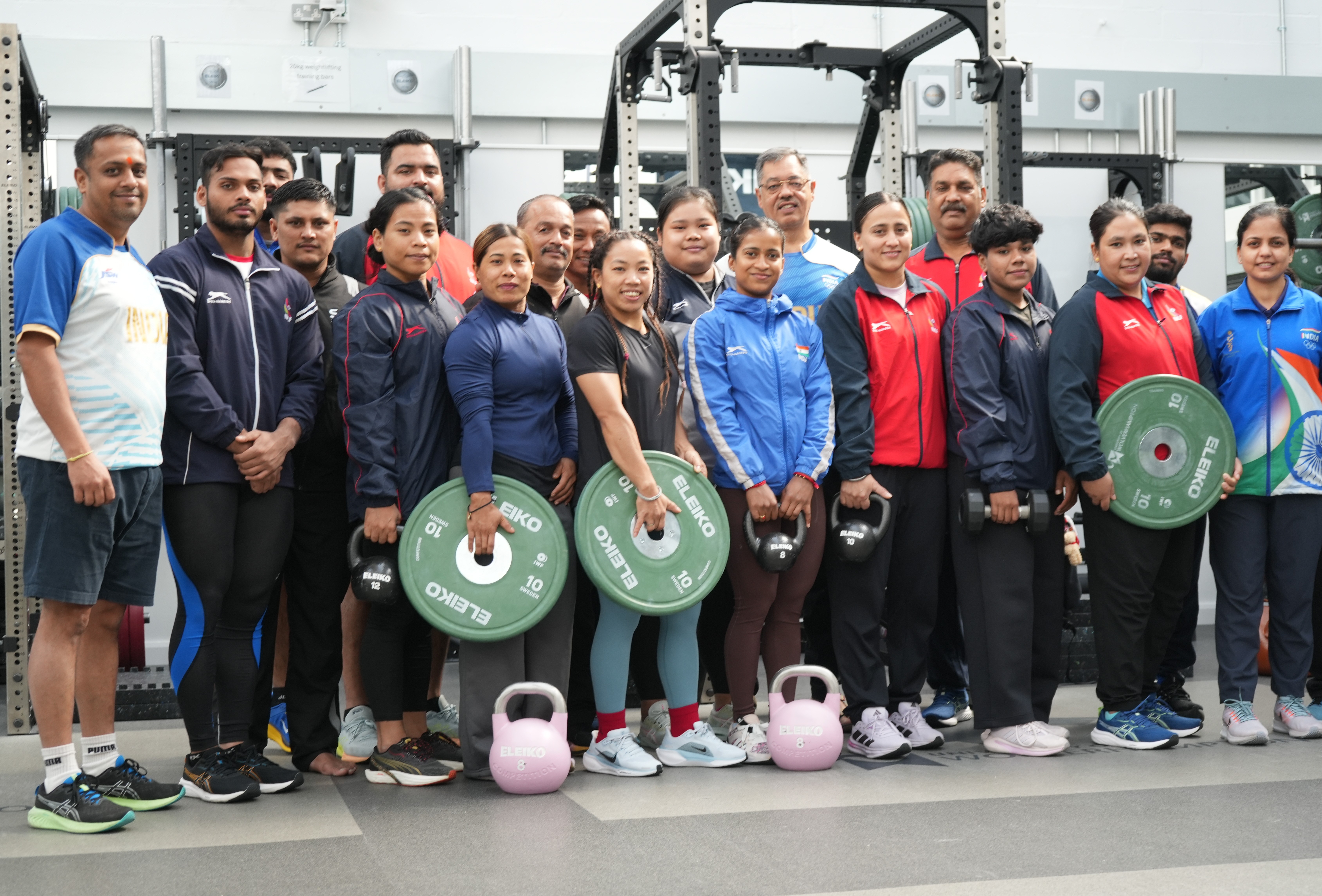
Securing the right training environment is a critical decision for athletes aiming to reach the top of their game. The UK has established itself as a global hub for athletic development, particularly following the hosting of the Commonwealth Games. For those serious about weightlifting training and pursuing a career in elite sport, the University of Wolverhampton offers a distinct competitive advantage. By combining high-performance athletic facilities with rigorous academic programs, the university provides a structured pathway for athletes who refuse to compromise on either their education or their sporting ambitions.
If you are evaluating your options for high-level athletic development, Schedule a free consultation to learn more about the sports programs available in the West Midlands.
How the University of Wolverhampton Supports Elite Sport Athletes
Transitioning from a recreational or regional-level athlete to an elite competitor requires more than just dedication in the gym. It demands access to specialized coaching, sports science, and an environment that understands the unique pressures of high-performance sport. The University of Wolverhampton has deliberately structured its infrastructure to cater to these exact needs.
At the core of this support system is the university’s commitment to holistic athlete development. Rather than treating sport as an extracurricular activity, the institution integrates it into the student experience. This means athletes have access to strength and conditioning coaches who design individualized weightlifting training protocols. These protocols are not generic workout plans; they are periodized programs that account for the athlete’s competitive calendar, biomechanical deficiencies, and specific goals in sports like Olympic weightlifting, powerlifting, or cross-functional fitness.
Furthermore, the university provides access to physiological testing, sports psychology services, and nutritional guidance. In elite sport, the margins between winning and losing are razor-thin. Having immediate access to these support services on campus allows athletes to make data-driven adjustments to their training and recovery, ensuring continuous physical adaptation without the logistical nightmare of traveling to separate clinics.
The Legacy of the Commonwealth Games in the UK
The UK’s sporting landscape was significantly impacted by the hosting of the Commonwealth Games, particularly the 2022 edition held in Birmingham. This event did more than just provide two weeks of entertainment; it left a tangible legacy of upgraded facilities, increased coaching standards, and a surge in interest in sports that are traditionally underfunded. Weightlifting, a cornerstone of the Commonwealth Games schedule, benefited immensely from this spotlight.
The University of Wolverhampton, located in close proximity to Birmingham, serves as a direct beneficiary and steward of this legacy. The influx of investment into the region’s sports infrastructure means that local athletes now have access to equipment and training centers that previously were only available to national team camps. The university has leveraged this momentum to establish partnerships with local and national governing bodies, creating a seamless pipeline for athletes who aspire to compete on the Commonwealth stage or beyond.
This regional ecosystem is vital. When a university operates within a network of elite clubs, high-performance centers, and post-Games facilities, students are immersed in a culture of elite sport. They train alongside other high-caliber athletes, share best practices, and build professional networks that will sustain their careers long after they graduate. Explore our related articles for further reading on how major sporting events reshape regional athletic development.
Structuring Effective Weightlifting Training Programs
Weightlifting training is highly technical. It requires a meticulous approach to mobility, strength, power generation, and neurological adaptation. At the university level, particularly within an institution tied to the Commonwealth Games legacy, training programs are designed with scientific precision.
Periodization and Peaking for Competition
Elite weightlifting cannot be trained at maximum intensity year-round. The university’s coaching staff utilizes complex periodization models to ensure athletes peak exactly when they need to. A typical macrocycle might begin with a hypertrophy and foundational strength phase, gradually shifting toward power development, and finally transitioning to sport-specific technical work and peaking. This structured approach prevents overtraining—a common pitfall in weightlifting—and reduces the risk of acute injuries, such as muscle tears or joint destabilization, which can derail a competitive season.
Integrating Sports Science and Recovery
Lifting heavy weights places immense stress on the central nervous system (CNS) and musculoskeletal system. Effective weightlifting training must be balanced with aggressive recovery strategies. At the University of Wolverhampton, athletes are taught to view recovery as an active part of their training. This includes utilizing cryotherapy, compression therapy, and targeted soft-tissue mobilization. Moreover, sports scientists monitor sleep patterns and heart rate variability (HRV) to provide objective data on an athlete’s readiness to train. If an athlete’s HRV indicates poor CNS recovery, the coaching staff can dynamically adjust the day’s volume or intensity, optimizing long-term adaptation rather than stubbornly adhering to a rigid schedule.
Combining Academic Study with Elite Sport
One of the most significant challenges for aspiring athletes is the binary choice often presented: pursue a degree or pursue a sport. The University of Wolverhampton actively dismantles this false dichotomy. Understanding that a professional athletic career is often finite, the university encourages athletes to build parallel academic careers.
Flexible scheduling is a key component of this balance. Student-athletes engaged in heavy weightlifting training often require modified timetables to accommodate morning training sessions, which are optimal for peak power output, and afternoon recovery periods. The university’s academic departments work in tandem with sports coaches to ensure that athletes do not have to sacrifice lecture attendance for training time, utilizing recorded lectures and flexible assignment deadlines where appropriate.
Additionally, studying subjects like sports science, physiotherapy, or sports management while competing provides athletes with a deeper theoretical understanding of their own physical development. A weightlifter studying biomechanics, for example, gains an acute awareness of leverages and force vectors, allowing them to troubleshoot their own technique under the barbell. Submit your application today to secure a place in a program that respects your dual ambitions.
Building a Career in the Elite Sport Sector
Not everyone who engages in weightlifting training at a high level will stand on a Commonwealth Games podium. However, the skills acquired during this process are highly transferable within the booming elite sport industry. The UK sports sector requires highly qualified professionals who understand the nuances of high-performance environments.
Graduates who have lived the reality of elite sport—as athletes, as student practitioners, and as participants in a Commonwealth Games legacy ecosystem—are uniquely positioned for careers as strength and conditioning coaches, performance analysts, sports therapists, and elite sport managers. Employers in the UK and internationally value candidates who possess both theoretical knowledge and the practical, soft skills developed through the crucible of competitive sport. These soft skills include resilience, time management, the ability to process high-pressure feedback, and an intrinsic understanding of athlete psychology.
The university’s placement programs actively help students transition from their own competitive cycles into professional roles within the industry, utilizing the very networks established during the Commonwealth Games preparations.
Making the Right Decision for Your Athletic Future
Selecting a university is a major life decision, and for athletes, this choice carries the added weight of determining the trajectory of their sporting career. The University of Wolverhampton provides a compelling proposition for those engaged in weightlifting training and aspiring to compete in elite sport. By situating its programs within the broader context of the UK’s Commonwealth Games legacy, the university offers an environment where athletic and academic excellence coexist.
The transition from a promising athlete to an elite competitor requires world-class facilities, scientific coaching, and an academic framework that supports, rather than hinders, high-performance training. The infrastructure and support systems in the West Midlands are designed to facilitate exactly this type of growth. Have questions about balancing competitive weightlifting with a university degree? Write to us! We can provide the specific details you need to make an informed choice.
Take the time to evaluate what you need from your training environment. Assess the coaching credentials, the availability of sports science support, and the flexibility of the academic programs. The right choice will not only help you maximize your performance in the gym and on the platform but will also secure your professional future long after your competitive days are over. Share your experiences with weightlifting training in the comments below to join the conversation with other aspiring elite athletes.