
Build Your Career in the UK Creative Industries Through the University of Wolverhampton Degree Show
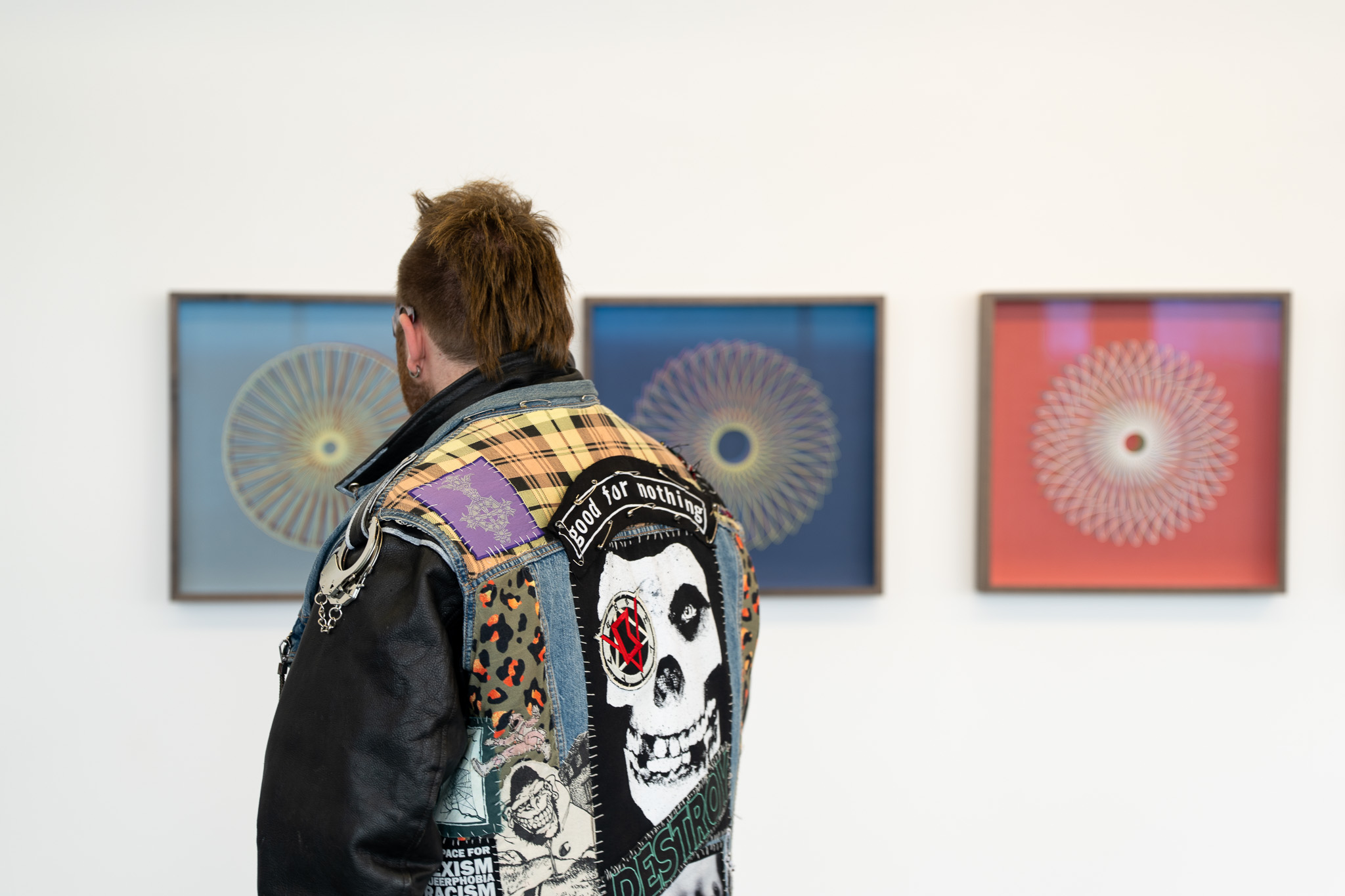
Understanding the Role of Degree Shows in the UK Creative Sector
The creative industries in the UK represent a dynamic and rapidly expanding sector of the economy, generating billions of pounds annually and employing millions of people. For graduating students, entering this competitive landscape requires more than just a solid academic record; it demands visibility, professional networks, and tangible proof of capability. This is where institutional showcases step in as critical career-launching platforms.
A degree show functions as a centralized gallery and networking event where academic institutions present the final projects of their graduating cohorts to the public. Unlike a standard classroom critique, these events simulate a professional industry environment. Attendees include gallery curators, agency creative directors, established artists, and corporate recruiters actively scanning for fresh talent. For graduating students at the University of Wolverhampton, this event serves as a direct bridge to the UK creative industries, offering an opportunity to bypass traditional job-hunting bottlenecks and make immediate, face-to-face connections with decision-makers.
Understanding the mechanics of these shows helps students shift their mindset from academic completion to professional debut. The work displayed is no longer graded on a syllabus rubric; it is evaluated on its commercial viability, conceptual depth, and technical execution by industry standards. Explore our related articles for further reading on how creative sectors evaluate emerging talent.
Why Employers Attend These Events
Recruiters and creative directors attend degree shows to scout for specific attributes that are often hard to gauge from a digital portfolio or a standard resume. They look for adaptability, a strong personal voice, and the ability to articulate complex ideas clearly. In the fast-paced UK creative industries, agencies and studios value graduates who can hit the ground running. By viewing a cohesive body of work in a physical space, employers can assess a student’s attention to detail, spatial awareness, and presentation skills—all crucial elements in fields like interior design, fine art, and graphic communication.
Prepare Your Portfolio for the University of Wolverhampton Degree Show
Success at a degree show relies heavily on pre-event preparation. Your physical exhibition space is an extension of your portfolio, and how you curate this space dictates the narrative of your professional identity. Graduating students must approach their display with the same rigor a gallery curator applies to a major exhibition.
Curate Your Best Work Strategically
Avoid the temptation to display everything you have produced over the past three years. Instead, select a tightly curated collection of pieces that demonstrate your specific niche, technical mastery, and conceptual evolution. Quality always supersedes quantity. If you are a graphic designer, show a complete branding campaign rather than isolated logos. If you are a fine artist, display a series that highlights a sustained investigation into a specific theme or medium. Ensure that the pieces you choose complement one another visually and thematically so that your booth or display area feels like a cohesive, intentional statement rather than a random assortment of student projects.
Practice Your Pitch
Having exceptional visual work is only half the battle; you must be able to talk about it intelligently. Prepare a concise, 60-second elevator pitch for every major piece in your display. Anticipate the questions that industry professionals will ask: What was your primary inspiration? What materials or software did you use? How would you adapt this concept for a commercial client? Schedule a free consultation to learn more about effective communication strategies for creative professionals. Rehearsing your pitch with peers and tutors before the event helps eliminate nervous rambling and ensures you project confidence when speaking with potential employers or buyers.
Network Effectively with UK Creative Industry Leaders
The networking potential of a degree show is arguably as valuable as the artwork on display. However, networking in the creative industries requires a nuanced approach. Aggressive sales tactics rarely work; instead, focus on building genuine, curiosity-driven relationships.
Identify Key Attendees and Research Them
Prior to the opening night, obtain the guest list if possible, and research the companies or galleries that will be attending. Understand their recent projects, client base, and aesthetic preferences. When you approach a representative from a specific agency, reference a recent campaign or project they completed. This demonstrates that you are not just looking for any job, but that you are specifically interested in their organization and have done your homework. Tailoring your conversation to their work makes you infinitely more memorable than a student who delivers a generic introduction.
Follow Up After the Event
Collect business cards or LinkedIn profiles from every meaningful conversation you have. Within 48 hours of the degree show concluding, send a personalized follow-up message. Reference a specific piece of work you discussed and reiterate your enthusiasm for their organization. Attach a digital PDF portfolio or a link to your personal website so they can review your work at their own pace. Have questions? Write to us! if you need advice on drafting professional follow-up emails that get responses from creative directors.
Leverage the University of Wolverhampton’s Industry Connections
The University of Wolverhampton has established deep roots within the regional and national creative sectors. Graduating students should actively utilize the institution’s career services and alumni networks both before and after the degree show. University career advisors often have direct lines to local agencies and can facilitate introductions that might be difficult to secure independently.
Engage with alumni who have successfully transitioned from the University of Wolverhampton into the UK creative industries. These individuals possess firsthand knowledge of the degree show’s impact on their careers and can offer practical, actionable advice. They can also provide insights into the specific expectations of recruiters in your discipline. By tapping into this existing infrastructure, you position yourself within a broader professional ecosystem that extends well beyond the university’s walls.
Transition from Student to Professional in the Creative Industries
Attending and participating in a degree show marks a definitive psychological and professional shift. You are no longer just a student; you are a practicing creative professional offering services, products, or intellectual property to the market. This transition requires a strategic approach to how you manage your public profile and career trajectory.
Freelancing vs. Full-Time Employment
Use the degree show to gauge which career path suits your work and personality. Some graduating students receive direct offers for full-time junior roles, while others attract commissions that lend themselves better to freelance work. Both paths are viable in the UK creative industries, but they require different business strategies. If you lean toward freelancing, use the show to build a client list and establish your pricing. If you seek full-time employment, focus on gathering contact information for HR departments and creative leads. Submit your application today to agencies you connected with during the event, explicitly mentioning your exhibition at the University of Wolverhampton to establish immediate credibility.
Maintain Your Professional Momentum
The end of the degree show is not the end of your marketing efforts. Update your online portfolio immediately with high-quality, professional photographs of your installed exhibition space. Document the event itself, including shots of industry professionals viewing your work, to add social proof to your website and social media channels. Continue to produce new work, even if it is on a smaller scale, to show prospective clients and employers that your degree show was the beginning of your professional practice, not the culmination of it. Share your experiences in the comments below to help future graduating students prepare for their own transitions into the creative industries.