
Build Research Capacity in UK Social Care with the University of Winchester REAL Course
Addressing the Research Gap in Health and Social Care Settings
Frontline practitioners in health and social care possess a wealth of knowledge regarding the daily challenges faced by the individuals they support. However, translating this practical expertise into formal evidence that can shape policy and improve services often presents a significant hurdle. Historically, research has been viewed as an activity confined to academic institutions, creating a disconnect between those delivering care and those generating the data needed to refine it. The University of Winchester is directly addressing this systemic issue by equipping practitioners with the tools to conduct robust, impactful investigations within their own workplaces.
By demystifying the research process, the university ensures that the evidence base guiding UK social care is built upon the realities of frontline practice. This approach not only improves the quality of services but also empowers practitioners to advocate for necessary changes using hard data. The focus is shifting from relying solely on external academic research to fostering an internal culture of continuous evaluation and improvement within care organizations.
What is the REAL Course and Who is it For?
Developed and led by Dr. Rachel Harrison and Jessica Mitchell, the REAL (Research, Evaluation, Audit and Literature) course is a specialized program designed to make research accessible to professionals working across social care, health, and community services. Rather than removing practitioners from their clinical environments to study abstract methodologies, the program supports learners in investigating actual challenges within their own organizations.
The curriculum is tailored for a diverse cohort of professionals. Past and current learners include local authority staff, clinical auditors, occupational therapists, social workers, reablement workers, care home owners, and domiciliary care providers. This interdisciplinary mix enriches the learning experience, allowing participants to view their specific sector challenges through a broader health and social care lens.
Core Components of the Curriculum
The REAL course breaks down the research process into four manageable pillars:
- Research: Designing and conducting primary studies to gather new data on specific care practices.
- Evaluation: Assessing the effectiveness, efficiency, and outcomes of existing programs or interventions.
- Audit: Systematically reviewing clinical or care practices against established standards to ensure compliance and identify areas for improvement.
- Literature: Synthesizing existing academic studies to inform evidence-based decision-making and identify gaps in current knowledge.
By mastering these four areas, practitioners learn to generate evidence that directly informs practice improvement and service development without requiring extensive prior academic research experience.
Schedule a free consultation to learn more about how this curriculum aligns with your professional development goals.
Impactful Health Research Projects from Recent Cohorts
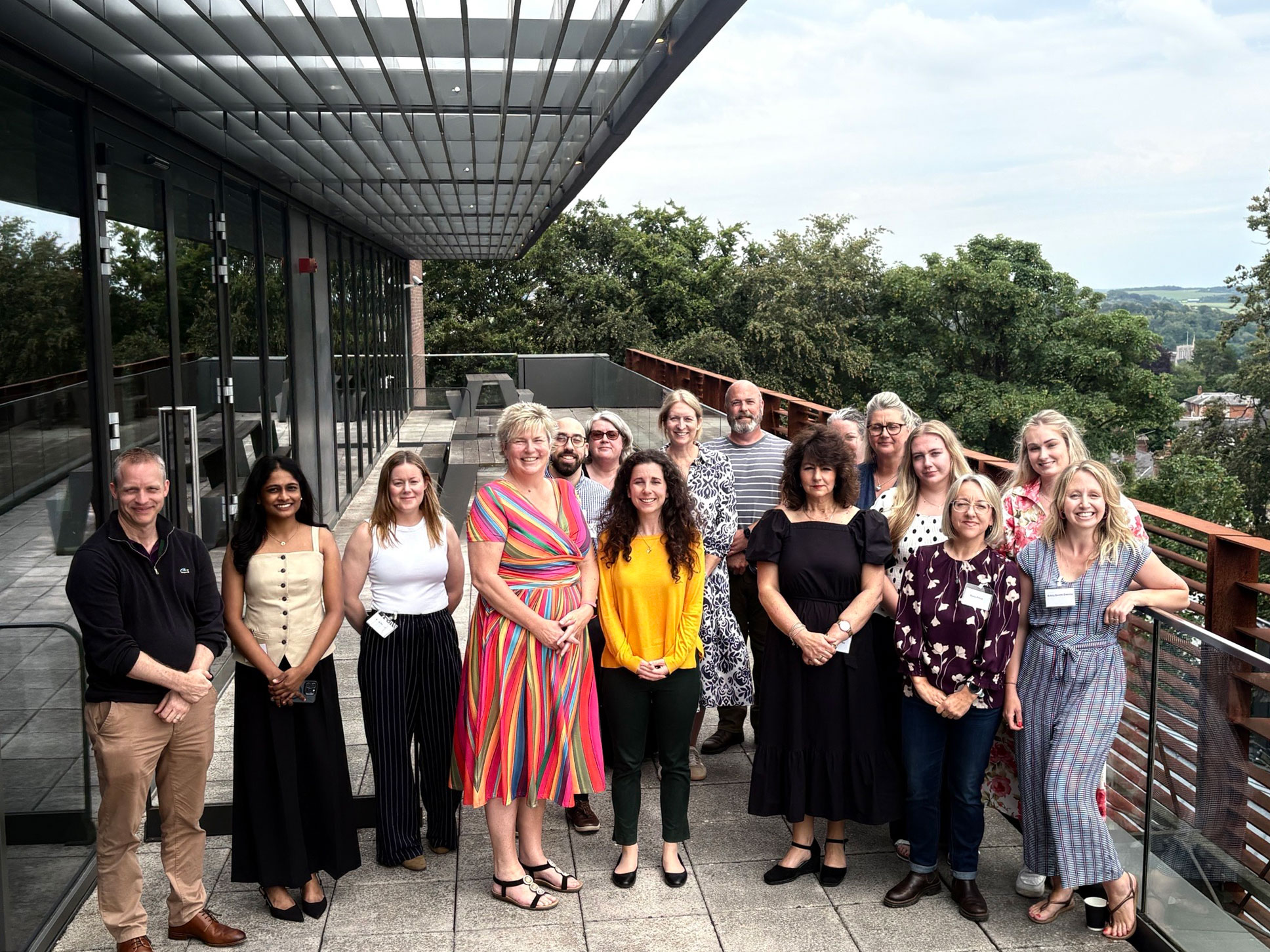
The true value of the REAL course is best demonstrated through the projects completed by its graduates. At a recent celebration event marking the completion of the program’s second cohort, learners presented posters showcasing their work. These projects highlighted how small-scale, practitioner-led inquiries can yield immediate, practice-changing results.
Enhancing Dementia Care Practices
Several projects focused on improving the quality of life for individuals living with dementia, a critical area of concern within UK social care. One learner investigated the role of nurses in promoting non-verbal communication with people at the end of life, providing actionable insights for palliative care teams. Another project examined the impact of environmental noise on the behavior of care home residents living with dementia, yielding data that can be used immediately by facility managers to alter layouts and reduce distress. Additionally, a study on the influence of dining room environments on mealtime engagement offered practical recommendations for nutritional intake and social interaction during meals.
Improving Support for Parkinson’s Disease
Other learners turned their attention to Parkinson’s disease, identifying critical gaps in current care provisions. One project focused on increasing awareness and improving communication support for individuals with the condition. A complementary study highlighted specific training limitations faced by support workers when assisting people with Parkinson’s, providing a clear roadmap for future staff development programs.
Strengthening Clinical Protocols
Beyond specific conditions, learners also tackled systemic tools. One notable project explored the role of RESTORE2—a recognized deterioration tool—in care homes, evaluating its practical application and effectiveness in triggering early interventions. Another study explored the gap between general housing practice and specialist identity within occupational therapy, offering insights for professional training and role definition.
These projects prove that excellent health research does not exclusively happen within university laboratories. Frontline workers, when given the right methodological support, can produce high-quality evidence that changes practice and improves services.
New Flexible Learning Routes and Postgraduate Credits
Responding to growing national interest and the need for greater accessibility, the University of Winchester is expanding the REAL course for its upcoming cohort. Recognizing that frontline professionals often face unpredictable schedules, the university is introducing both blended learning and fully online delivery routes. This flexibility ensures that geographical location and shift patterns are not barriers to acquiring advanced research skills.
Furthermore, the program structure is evolving to offer two distinct pathways:
- Continuing Professional Development (CPD) Route: Ideal for practitioners who want to acquire research skills to apply directly in their current roles without the pressure of formal academic assessment.
- Level 7 Postgraduate Route: This pathway is worth 15 academic credits. Learners who choose this route officially enroll as University of Winchester students and can apply these credits toward a future Master’s degree in Professional Practice.
This dual-path approach allows practitioners to tailor their educational investment to their long-term career aspirations. Whether the goal is to immediately improve local service delivery or to build a foundation for a master’s degree, the REAL course provides a structured pathway forward.
Submit your application today to secure your place in the upcoming cohort and choose the learning route that best fits your career plans.
Partnering with NIHR to Strengthen UK Social Care
The success and expansion of the REAL course are heavily supported by strategic partnerships, most notably with the National Institute for Health and Care Research (NIHR). Representatives from the NIHR Applied Research Collaboration (ARC) Wessex and the NIHR Research Delivery Network South Central have been instrumental in funding and guiding the program.
During the recent cohort celebration, Dr. Jenny Roddis from ARC Wessex emphasized the critical importance of knowledge mobilization—the process of ensuring that research findings are actively translated into real-world improvements in policy and practice. The partnership ensures that the projects undertaken by REAL learners do not sit on a shelf but are integrated into the broader regional strategy for health and social care improvement.
Rae Tobin, Project Manager at ARC Wessex, noted that the REAL course is a standout initiative in the world of applied health and care research. Because the projects are small-scale and practitioner-led, the results directly affect real lives in the Wessex region. From minimizing distress in care home residents to uncovering critical gaps in Parkinson’s training, the course provides assurance to loved ones and empowers the researchers themselves.
The NIHR Research Delivery Network South Central is funding the third cohort of the program, demonstrating a sustained commitment to building research capacity within the social care workforce. This backing validates the quality of the University of Winchester’s approach and signals to the sector that practitioner-led research is a priority.
Connecting Local Impact to Broader Academic Standards
While the REAL course primarily serves practitioners across Hampshire and the wider South Central region, the methodologies and standards taught align with the University of Winchester’s broader academic reputation. The university maintains a strong global profile, and programs developed here often inform best practices on a wider scale. The rigorous approach to evidence-based practice taught in the REAL course reflects the high standards expected of all university programs, including those highlighted through Winchester International initiatives.
By publishing a professionally printed booklet—funded by NIHR ARC Wessex—showcasing learner projects, the university is creating a lasting record of practitioner-led inquiry. This publication not only celebrates the achievements of the current cohort but also serves as a benchmark for future learners, demonstrating the caliber of work expected and the tangible impact it can have on UK social care.
Explore our related articles for further reading on how the University of Winchester is advancing professional practice across various disciplines.
Apply for the Next REAL Course Cohort
Feedback from past learners underscores the professional and personal impact of the program. Participants consistently report regaining academic confidence, stepping outside their comfort zones, and feeling recognized for their clinical expertise. One learner from Hampshire County Council described the course as helping them regain confidence both academically and personally, while a learner from the Hampshire Care Association called the experience life-changing, noting that they felt included, relevant, and seen.
Applications for the next REAL course cohort, commencing on 23 September 2026, are currently open. As the demands on UK social care and health services continue to grow, the need for an evidence-based, practitioner-led approach to problem-solving has never been more critical. By joining the REAL course, health and social care professionals can move from being passive consumers of research to active creators of knowledge, driving meaningful improvements in the services they provide every day.
Have questions? Write to us! The program leaders are available to discuss how the REAL course can support your specific professional development needs and organizational goals.