
Build Compassion in the Workplace: Connection and Wellbeing Lessons from the University of Huddersfield’s Leading with Humanity Summit
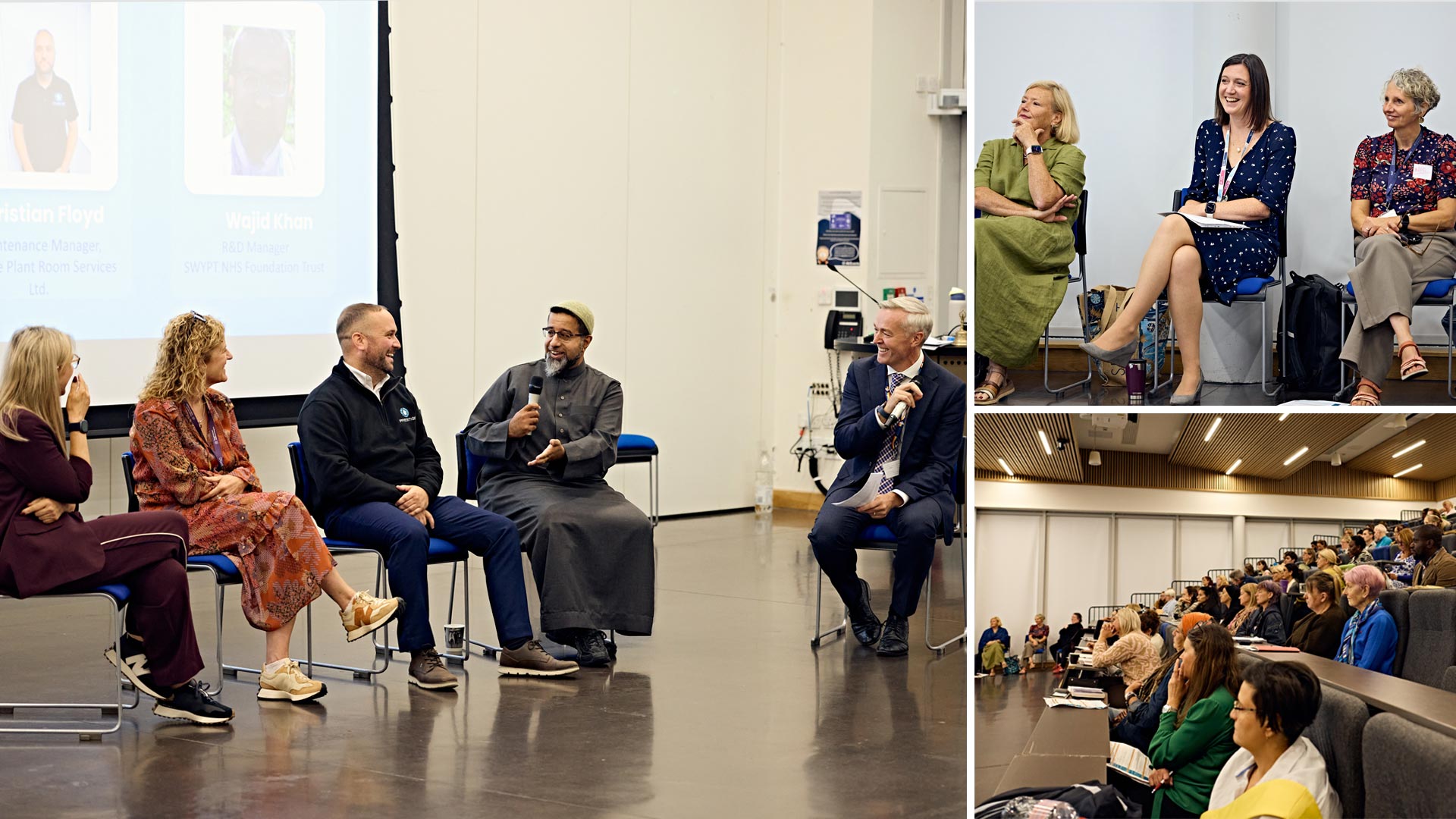
Compassion in the workplace has shifted from an optional extra to a measurable driver of organisational performance. Evidence from occupational psychology and management research consistently links compassionate cultures with stronger retention, better staff wellbeing and more resilient teams. That evidence base took centre stage at the Leading with Humanity Summit, hosted by the University of Huddersfield in the UK, which brought together more than 100 delegates from education, healthcare, business and the third sector.
Funded by the Economic and Social Research Council (ESRC) and formally titled “Leading with Humanity: What Connection and Compassion Offer Organisations,” the summit examined a question that matters to every employer: what do people need in order to do their best work, and how can organisations be designed to meet those needs? For managers, HR professionals and executives, the answers carry practical weight. Below, we break down the summit’s central lessons and translate them into steps any organisation can take.
Want to stay informed about future events on compassionate leadership? Sign up to the Compassion Leadership Hub newsletter to receive research updates, event invitations and practical resources straight to your inbox.
Why Compassion in the Workplace Deserves Boardroom Attention
Workplaces across the UK face persistent pressure: high turnover, rising burnout and the ongoing challenge of keeping dispersed teams connected. Against that backdrop, the summit’s opening keynote set the tone. Wendy Showell Nicholas, a psychotherapist and organisational consultant, explored what humans fundamentally need in order to thrive, arguing that compassion and connection are not optional perks but basic requirements for wellbeing and professional performance.
The distinction matters. Compassion in the workplace is often misunderstood as simple kindness or politeness. In practice, researchers define it as the ability to notice when colleagues are struggling, to empathise with their situation and to act in ways that help. Organisations that build these behaviours into everyday routines create the conditions for staff to recover from setbacks, raise problems early and sustain performance over the long term.
For leaders, the implication is clear: wellbeing and performance are not competing priorities. They rise and fall together, and the way your organisation is designed determines which direction they move.
How the Leading with Humanity Summit Was Built for Impact
One of the most instructive aspects of the event was its design. Rather than following a conventional conference format, the Leading with Humanity Summit was shaped through collaboration, both inside the University of Huddersfield and with external partners across Yorkshire and beyond.
A Cross-University Effort
The summit was led jointly by colleagues from the University’s School of Human and Health Sciences, the School of Business, Education and Law, the Careers and Employability team and the People and Organisational Development Team. That mix of academic and professional services perspectives ensured the programme spoke to both research findings and day-to-day organisational reality.
Shaped by Employers and Practitioners
Crucially, the themes and format were informed by a sandpit event held earlier in the year, where partners from education, health, business and the third sector helped set the agenda. Speakers and workshop leaders on the day included representatives from Calderdale Council, Forget Me Not Children’s Hospice, Global Banking School, Howarths, Prestige Plant Room Services and South West Yorkshire Partnership Teaching NHS Foundation Trust.
Professor Liz Towns-Andrews, 3M Professor of Innovation at the University, formally opened the summit. Her involvement carried a signal worth noting: conversations about compassion and connection belong in innovation and economic development discussions, not only in HR. When organisations treat human needs as central to strategy, the benefits extend outward to regional prosperity, a point Professor Towns-Andrews returned to in her closing remarks.
Three Keynote Lessons for Organisational Leaders
Lesson 1: Start With What People Need to Thrive
Wendy Showell Nicholas’s keynote asked delegates to consider a deceptively simple question: what do humans need to thrive? Her answer placed compassion and connection at the centre, presenting them as preconditions for wellbeing and professional performance rather than rewards for it. Leaders who begin planning with human needs in mind, rather than retrofitting wellbeing initiatives onto existing structures, tend to build cultures that hold up under pressure.
Lesson 2: Move Beyond Individual Goodwill
Dr Nic Stenberg, School Director of Executive Education, delivered perhaps the most strategically significant session. Drawing on extensive research evidence, he argued that organisations must move beyond relying on individual goodwill and instead embed compassion into their systems and routines, reaping substantial organisational benefits in the process.
This is a critical reframing. Many organisations depend on a handful of empathetic managers to carry the emotional weight of their culture. When those individuals leave or burn out, compassion disappears with them. Systematising compassion through policies, meeting structures, workload design and leadership expectations makes it durable.
Lesson 3: Make Room for Meaning and Purpose
Professor Melanie Rogers, from the University’s Department of Nursing, addressed spirituality as a fundamentally human concern. Her keynote showed that when hope, meaning and purpose form part of professional practice, the experiences of patients and service users can improve markedly.
The lesson extends well beyond healthcare. Employees in every sector ask, implicitly or explicitly, whether their work matters. Organisations that connect individual roles to meaningful outcomes give staff a reason to invest discretionary effort, and research on engagement consistently identifies purpose as one of the strongest predictors of commitment.
From Ideas to Action: Workshops and Panel Discussions
Keynotes set the direction; practice does the work. The summit reflected that principle through interactive workshops led by Dave Stanbury, Deputy Head of Careers and Employability, and Helen Walker, Leadership Development Manager. Panel discussions, facilitated by Dr Elisabeth Gulliksen, Senior Lecturer in Nursing, and Brian Culleton, Director of the Academy of Teaching, Learning and Skills (ATLaS), gave delegates from different sectors the chance to compare experiences directly.
These sessions tackled the hardest question in this field: how do abstract commitments to compassion, connection and humanity translate into daily organisational and professional practice? Delegates left with ideas tested against the realities of rota pressures, budget constraints and competing priorities.
Have you attempted to embed compassionate practices in your own organisation? Share your experiences in the comments below. Your lessons could help other readers navigate the same challenges.
Five Practical Steps to Strengthen Connection and Wellbeing
For leaders inspired by the summit’s themes, here are five actions grounded in the event’s core messages:
- Treat compassion as a system, not a personality trait. Audit your policies, rotas, workload allocation and escalation routes. Ask where your current design forces people to choose between doing their job and caring for colleagues.
- Build connection into existing routines. Rather than adding separate wellbeing activities, weave connection into meetings, supervision, onboarding and project reviews. Small, consistent contact points outperform occasional grand gestures.
- Equip managers for compassionate conversations. Train leaders to notice distress, respond without judgement and follow up. The confidence to hold these conversations is learned, and investment here pays for itself in reduced turnover.
- Connect roles to purpose. Help every employee see the link between their tasks and the outcomes that matter, whether that is patient care, student success or customer wellbeing. Professor Rogers’s research shows how much meaning changes professional practice.
- Measure wellbeing alongside performance. What gets measured gets managed. Track indicators such as absence, engagement and staff turnover, and review them with the same rigour as financial metrics.
The Wider Lesson: Universities as Convenors of Change
Closing the summit, Professor Towns-Andrews reflected on the central message: compassion and connection are fundamental human needs and vital to the prosperity of the region. She described the event as an example of what happens when a university works collaboratively across its schools and with external partners, noting that universities have an important role to play in bringing research and practice together to challenge established ways of thinking and develop new approaches.
For employers, that is an open invitation. UK universities, and the University of Huddersfield in particular, offer research expertise, executive education and partnership opportunities for organisations serious about building humane, high-performing workplaces. Whether you lead an NHS trust, a school, a growing business or a public service, academic collaboration can accelerate progress that would be slow to achieve alone.
Considering formal study or a partnership to develop compassionate leadership in your organisation? Explore the University of Huddersfield’s range of courses and business services, or book a place at an upcoming open day to experience the research culture first-hand.
Continue the Conversation on Compassionate Leadership
The appetite for this work is clear: more than 100 delegates gave up their day to discuss compassion in the workplace, and the organisations represented spanned public services, healthcare, education and private enterprise. The conversation does not end when the summit does.
To get involved, visit the Compassion Leadership Hub to sign up for its newsletter and hear about future events. Professionals with a particular interest in the themes raised by Professor Rogers can also join the Spirituality and Compassion Special Interest Group, run by the School of Human and Health Sciences, by emailing [email protected].
Compassion in the workplace is not a trend to be adopted and abandoned. It is a design principle, one that determines whether organisations merely function or genuinely thrive. The Leading with Humanity Summit offered a roadmap grounded in research and tested by practitioners; the next step belongs to leaders willing to act on it. If you found these insights useful, share this article with a colleague and subscribe to our newsletter for more evidence-based guidance on connection and wellbeing at work.