
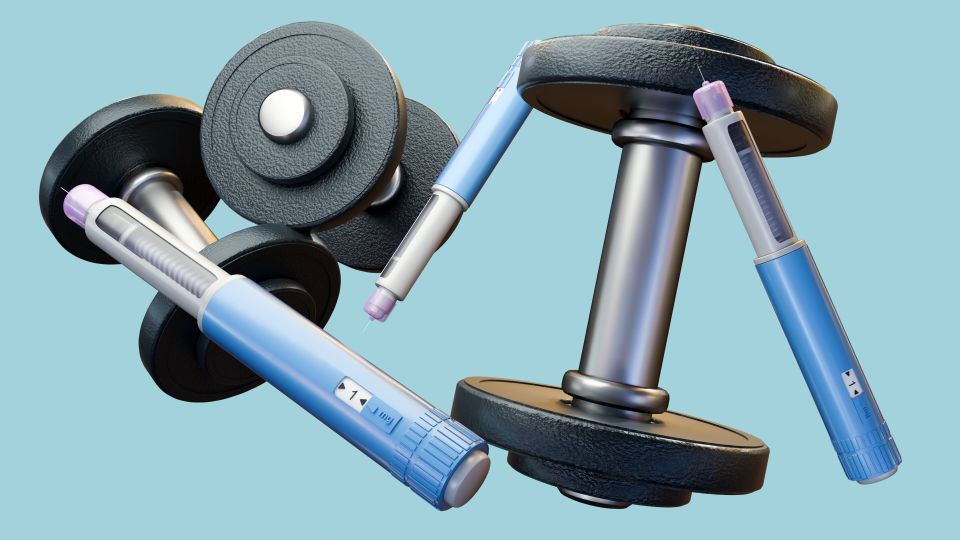
Understanding the Rise of GLP-1 Medications in Athletic Environments
Glucagon-like peptide-1 (GLP-1) receptor agonists, commonly recognized by brand names such as Ozempic and Mounjaro, were originally developed to manage type 2 diabetes and treat clinical obesity. However, their profound ability to suppress appetite and reduce body weight has led to a surge in off-label use across the general population. This trend has inevitably spilled over into elite sports, prompting serious discussions among sports medicine professionals, coaches, and governing bodies regarding the implications for athlete health and competitive fairness.
The appeal of these weight-loss drugs in high-performance settings stems from the immense pressure athletes face regarding body composition. In many disciplines, carrying excess weight is viewed as a direct hindrance to performance. When athletes experience periods of inactivity—such as during recovery from an injury—they often struggle to regain their optimal race weight through traditional diet and exercise alone. The temptation to use a pharmaceutical shortcut to bridge this gap has become a significant concern for medical staff tasked with protecting athletes.
As the prevalence of these medications increases, the sporting world is scrambling to understand the full scope of their impact. A new international study led by Loughborough University in the UK provides critical insights into how sports medicine physicians perceive this emerging issue, shedding light on the motivations behind non-medical use and the potential risks involved. Explore our related articles for further reading on sports medicine trends.
What Are GLP-1 Drugs and Why Are Athletes Using Them?
GLP-1 drugs work by mimicking an intestinal hormone that stimulates insulin release, inhibits glucagon secretion, and slows gastric emptying. The result is a prolonged feeling of fullness and a significant reduction in caloric intake. For the average person struggling with weight-related metabolic issues, these drugs can be life-changing. For an elite athlete, however, the mechanism of action presents a complex paradox.
Athletes require precise fueling strategies to support high-volume training, muscle recovery, and immune function. Introducing a drug that fundamentally suppresses the desire to eat can disrupt the delicate energy balance required for peak performance. Despite these risks, physicians in the Loughborough University study identified two primary scenarios driving non-medical use: the urgent need to meet strict weight classifications and the challenge of managing weight gain following an injury.
The Pressure of Weight Classifications and Aesthetic Standards
Weight-class sports—such as boxing, rowing, martial arts, and cycling—require athletes to weigh in before competition. Historically, athletes have used extreme methods, including severe dehydration and crash dieting, to make weight. Weight-loss drugs offer an alternative that reduces body fat without the immediate dangers of acute dehydration, making them seemingly attractive to competitors looking for an edge.
Similarly, aesthetic and physique-focused sports, including artistic swimming, gymnastics, and bodybuilding, place a heavy emphasis on lean muscle mass and minimal body fat. In these environments, athletes are often judged on their physical appearance as much as their athletic ability. The introduction of GLP-1 drugs into these disciplines represents a new method of achieving the hyper-lean physiques demanded by judges and coaches, raising ethical questions about body image and psychological welfare in elite sports.
Key Findings from the Loughborough University UK Study
To quantify the scale of this issue, researchers at Loughborough University in the UK conducted a comprehensive cross-sectional survey. The study gathered data from 114 sports medicine physicians spanning 38 countries and covering 93 different sports. This global scope ensures that the findings are not isolated to a single region or athletic discipline, but rather reflect a widespread international trend.
The data revealed that 12% of the surveyed physicians were directly aware of athletes using GLP-1 drugs without an underlying medical necessity, such as diabetes or diagnosed obesity. While 12% may appear to be a modest figure, experts caution that this likely represents only the tip of the iceberg. Athletes rarely disclose the use of performance-enhancing or weight-manipulating substances to medical professionals unless absolutely necessary, meaning the actual rate of use is probably much higher.
Survey Demographics and Scope
The breadth of the Loughborough University study is one of its strongest attributes. By engaging physicians who treat athletes across 93 different sports, the researchers captured a holistic view of the issue. The reported use was not confined to the obvious weight-class sports. Endurance sports, such as marathon running and swimming, also featured prominently in the physicians’ reports. In endurance disciplines, a lower body weight directly improves the power-to-weight ratio, giving athletes a biomechanical advantage over longer distances.
Primary Drivers for Non-Medical Use
When asked why athletes might turn to these weight-loss drugs, the physicians pointed overwhelmingly to two factors. First, the necessity to rapidly lose weight to fit into specific competitive categories. Second, the difficulty of managing body composition during periods of forced or injury-related inactivity. When an athlete is sidelined for weeks or months, their caloric needs drop, but their appetite often does not adjust immediately. Upon returning to training, finding themselves above their optimal competition weight, some athletes are reportedly turning to GLP-1 medications to accelerate their return to peak condition. Schedule a free consultation to learn more about safe weight management strategies in sports.
Evaluating the Risks to Athlete Health and Performance
The consensus among the sports medicine physicians surveyed by Loughborough University was one of moderate to high concern regarding the non-medical use of weight-loss drugs in elite sports. These concerns are rooted in the fundamental biological differences between a clinical patient and an elite athlete.
Metabolic and Hormonal Consequences
Athletes operate on a razor-thin margin of energy balance. They require sufficient carbohydrates to fuel high-intensity efforts, adequate protein to repair muscle micro-tears, and sufficient dietary fats to maintain hormonal health. By artificially suppressing appetite, GLP-1 drugs can inadvertently cause athletes to under-eat, leading to a state of relative energy deficiency in sport (RED-S).
RED-S is a severe condition that results from insufficient caloric intake relative to the energy demands of training. It can lead to a cascade of health problems, including menstrual dysfunction in female athletes, decreased bone mineral density (increasing the risk of stress fractures), suppressed immune function, and impaired cardiovascular health. Using weight-loss drugs to artificially restrict energy intake significantly elevates the risk of developing RED-S, threatening both the short-term performance and the long-term health of the athlete.
The Threat to Long-Term Wellbeing
Beyond the immediate metabolic risks, the long-term effects of GLP-1 drugs on healthy, highly active individuals remain largely unknown. Clinical trials for these medications have focused on populations with underlying metabolic disorders, not on elite athletes who subject their bodies to extreme physical stress. There are concerns that rapid weight loss facilitated by these drugs could result in the loss of lean muscle mass, which is detrimental to power output and sprint performance. Furthermore, the psychological dependence on a pharmaceutical aid to maintain body weight can exacerbate existing eating disorders or body dysmorphia, issues that are already highly prevalent in elite sports. Share your experiences in the comments below regarding the pressures of body composition in athletics.
The Debate Over Banning Weight-Loss Drugs in Elite Sports
When a new substance threatens the integrity of sport or the health of athletes, the immediate reaction from the public and the media is often to call for an outright ban. However, the Loughborough University UK study highlights a much more nuanced reality among medical professionals.
Arguments for Prohibition
According to the survey, 44% of the physicians supported the idea of eventually prohibiting GLP-1 drugs in elite sports. The primary argument for a ban rests on the principle of athlete health and welfare. If a substance offers a potential competitive advantage—such as rapid, effortless weight loss—but carries significant, documented health risks for a healthy individual, many argue it falls squarely into the category of substances that should be regulated by the World Anti-Doping Agency (WADA).
The Case for Education and Monitoring
Despite the support for a ban, a nearly equal portion of the respondents (38%) remained undecided. This hesitation is largely due to the current lack of concrete scientific evidence regarding how these drugs specifically affect athletic performance. WADA typically requires robust evidence that a substance both enhances performance and poses a health risk before implementing a prohibition. Without long-term studies on elite athletes, an immediate ban could face legal challenges and be difficult to enforce.
Dr. Daniel Read, the lead academic from Loughborough University, strongly advocates for a measured, evidence-based approach. Rather than rushing to ban the substances, Dr. Read emphasizes the immediate need for comprehensive education. Athletes, coaches, and support staff must understand the severe metabolic and hormonal risks associated with non-medical use. Additionally, improved monitoring systems need to be established to track the prevalence of these drugs in competitive environments, and significant investment must be made in research to fully understand their physiological impact on high-performance populations. Crucially, Dr. Read notes that athletes who genuinely require these medications for diagnosed medical conditions must retain clear, safe, and stigma-free pathways to access their prescribed treatments.
Implementing Safeguards for Athletic Populations
As the sporting community awaits further research, governing bodies, national federations, and individual clubs must take proactive steps to safeguard their athletes. Relying solely on an eventual ban is insufficient; the culture surrounding weight management in many sports must be addressed.
Organizations should prioritize hiring qualified sports dietitians and psychologists who can help athletes manage their weight safely and sustainably, without resorting to pharmaceutical interventions. Education programs should be implemented at the youth and developmental levels to ensure that emerging athletes understand the dangers of misusing prescription medications. Furthermore, medical teams must be trained to recognize the signs of inappropriate weight-loss drug use and equipped to intervene before long-term damage occurs. Have questions? Write to us! to connect with sports science experts.
Conclusion and Next Steps for Sports Organizations
The emergence of GLP-1 weight-loss drugs in elite sports represents a complex challenge that sits at the intersection of medical ethics, competitive fairness, and athlete welfare. The research conducted by Loughborough University in the UK serves as a critical early warning system, confirming that non-medical use is already occurring across a wide variety of disciplines globally.
While the desire to achieve an optimal competitive weight is inherent to elite sports, the means by which athletes achieve that weight must be scrutinized. Weight-loss drugs like Ozempic and Mounjaro are powerful medical tools that carry significant risks when misused by healthy individuals. The sporting world must resist the urge for quick fixes and instead prioritize evidence-based strategies that protect the long-term health of its competitors.
Moving forward, the focus must remain on rigorous scientific research, comprehensive education, and compassionate support for athletes struggling with body composition. By taking a measured approach, sports organizations can ensure that the integrity of competition is maintained without compromising the fundamental health of the athletes who drive the sport forward. Submit your application today to pursue advanced studies in sports science and athlete welfare.