Advance Your Coaching Education Through University of Wolverhampton UK Inclusive Football Partnerships
The Growing Demand for Inclusive Football Coaching Education
Modern football requires a sophisticated understanding of how to integrate players of all backgrounds and abilities into the sport. As governing bodies and local clubs recognize the social and physical benefits of accessible sports, the demand for specialized training has increased significantly. Coaches are no longer expected to simply drill tactical formations; they must understand adaptive pedagogy, safeguarding, and the psychological nuances of working with diverse populations. Pursuing formal coaching education provides the theoretical framework and practical experience necessary to meet these modern standards.
The focus has shifted from purely performance-based metrics to a more holistic view of player development. This means understanding the specific requirements of players with physical disabilities, neurodivergent athletes, and those from socially disadvantaged areas. Academic institutions have stepped up to fill this knowledge gap, offering structured programs that blend sports science with sociology and community development.
Submit your application today to begin your journey in advanced sports education.
Understanding Inclusive Football in the UK Context
In the UK, football serves as a powerful vehicle for social integration. The infrastructure for inclusive football has grown substantially over the last decade, supported by investments from the Football Association (FA), the Premier League, and various charitable organizations. Inclusive football encompasses a wide range of formats, including wheelchair football, blind football, amputee football, and frames football, as well as mixed-ability grassroots initiatives.
Coaches working within the UK sports system must understand the specific legislative and cultural frameworks that support inclusion, such as the Equality Act. Effective coaching education covers these legal foundations while emphasizing the practical application of inclusive coaching methods. By understanding the distinct rules, equipment modifications, and communication strategies required for different formats, coaches can create environments where all players can participate fully and safely.
Breaking Down Barriers in the Sport
Barriers to participation in football are often multifaceted, ranging from physical accessibility at facilities to societal attitudes regarding disability. A well-trained inclusive coach learns to identify and dismantle these obstacles. This involves assessing the physical environment for safety and accessibility, adapting session plans to accommodate varying physical capabilities, and fostering a club culture that champions respect and equality. Education in this area focuses on proactive problem-solving, ensuring that the coach is prepared to modify drills and communication styles on the fly to suit individual needs without disrupting the flow of the session.
University of Wolverhampton’s Role in Coaching Education
The University of Wolverhampton has established itself as a significant contributor to the UK sports education landscape. By aligning its curriculum with industry standards, the university provides students with a robust academic foundation paired with extensive practical application. The institution’s approach to coaching education emphasizes evidence-based practice, encouraging students to analyze current research and apply it directly to their coaching environments.
Students enrolled in these programs benefit from access to specialized sports facilities and teaching staff who possess extensive industry experience. The curriculum covers critical areas such as applied coaching science, talent identification, performance analysis, and the sociology of sport. By embedding inclusive practices throughout these modules rather than treating them as an afterthought, the University of Wolverhampton ensures that graduates are fully equipped to lead diverse teams upon graduation.
Schedule a free consultation to learn more about the available sports science and coaching programs.
The Value of an International Partnership Model
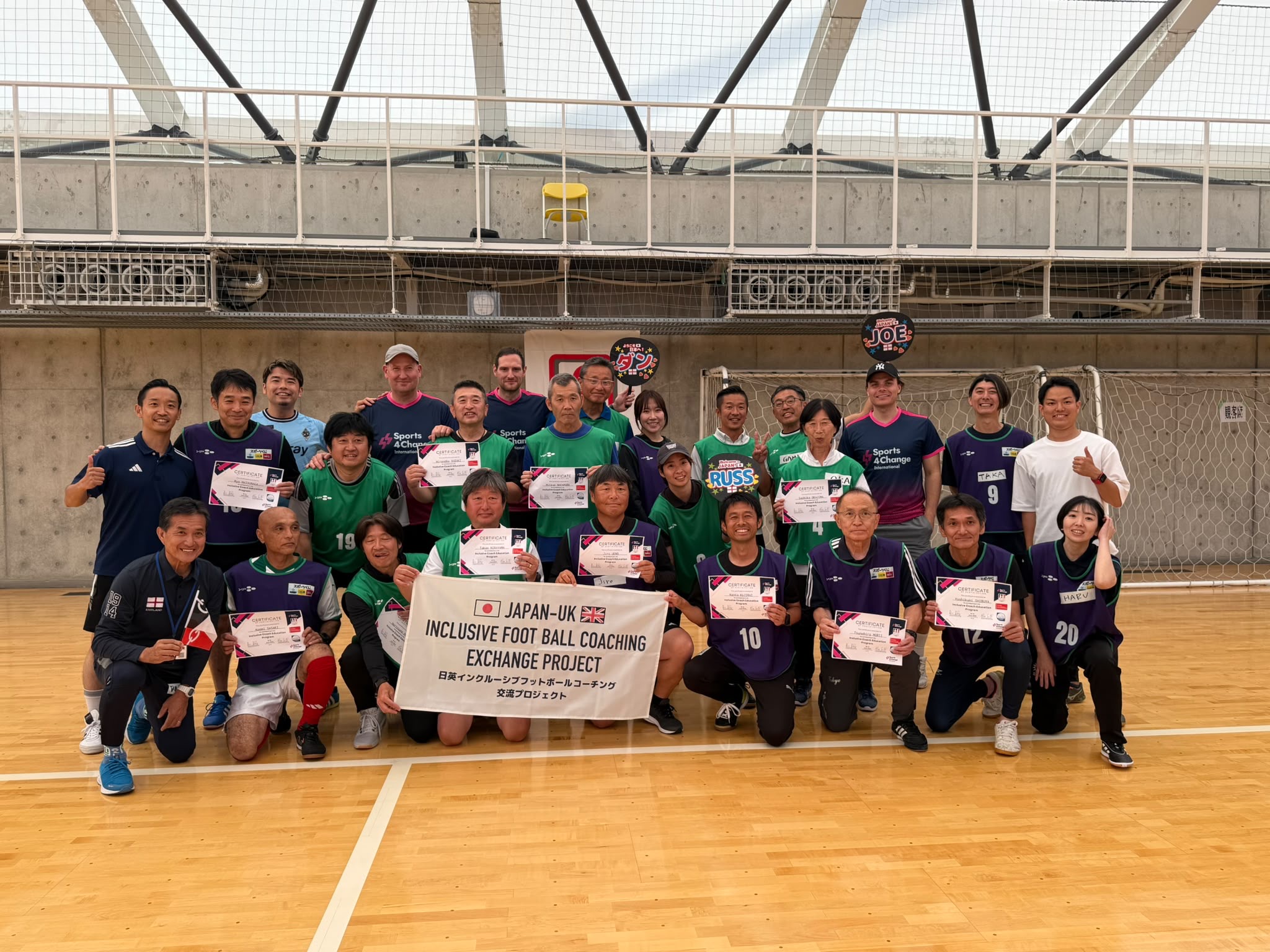
While domestic frameworks provide a strong foundation, the integration of an international partnership model elevates coaching education to a global standard. Collaborative projects between UK universities and international sports organizations facilitate the exchange of coaching methodologies, research data, and cultural perspectives. For students, this means exposure to how different nations approach inclusive sport, adaptive physical activity, and community engagement.
These partnerships often take the form of joint research initiatives, student exchange programs, and collaborative online learning modules. By interacting with peers and professionals from different countries, coaches develop a more versatile skill set. They learn to adapt their coaching philosophy to suit varying cultural contexts, which is an invaluable skill in an increasingly globalized sports industry. An international partnership also allows UK institutions to share their advanced safeguarding and inclusive coaching frameworks with developing sports programs abroad, contributing to global best practices.
Explore our related articles for further reading on global sports development strategies.
Building Global Networks for Local Impact
The primary advantage of engaging in international networks is the ability to translate global insights into local impact. A coach who has studied international approaches to inclusive football can introduce innovative drills, new adaptive equipment usage, or alternative communication techniques to their local club. This cross-pollination of ideas prevents coaching methods from becoming stagnant. Furthermore, establishing connections with international peers creates ongoing professional development opportunities long after the formal education period has ended, allowing coaches to continuously refine their practice through global dialogue.
Key Components of Effective Inclusive Coaching Programs
High-quality coaching education programs designed around inclusive football share several core components. First, they require a comprehensive theoretical base in sports science, particularly focusing on how different disabilities and conditions affect physical performance and learning. Second, they must include substantial practical placements. Theory is insufficient without the opportunity to deliver sessions to real players in real-world environments.
Effective programs also heavily feature reflective practice. Coaches-in-training are required to critically analyze their own biases, communication habits, and session delivery methods. This introspection is crucial for developing the empathy and flexibility required in inclusive settings. Specific curriculum areas typically include:
- Adaptive Biomechanics and Physiology: Understanding how to modify physical demands based on individual physical capabilities.
- Inclusive Pedagogy: Strategies for teaching tactical concepts and technical skills to learners with diverse cognitive and physical needs.
- Coach-Athlete Communication: Developing non-verbal cueing systems, simplifying complex instructions, and utilizing visual aids.
- Program Management: Learning how to secure funding for inclusive initiatives, manage volunteers, and navigate sports governance structures.
Career Pathways After Completing Your Coaching Education
Graduating from a specialized coaching education program opens multiple career pathways within the sports sector. Many graduates pursue roles as community football coaches for professional club community trusts, where delivering inclusive programs is a core responsibility. Others move into specific disability football coordination roles for county FAs, managing local leagues and talent pathways for disabled players.
Beyond direct coaching, the skills gained are highly transferable. Graduates frequently find opportunities in sports development, working for local authorities or charities to design and implement community-wide physical activity strategies. Some leverage the international partnership aspect of their education to secure roles with global sporting non-governmental organizations (NGOs), using football as a tool for social development in underserved regions. The combination of a recognized UK degree and specialized inclusive training makes graduates highly competitive in the job market.
Take the Next Step in Your Coaching Career
The intersection of academic rigor and practical application defines the future of sports coaching. As the football industry continues to prioritize accessibility and social impact, the need for highly trained, inclusive coaches will only grow. Engaging with comprehensive coaching education at an institution like the University of Wolverhampton provides the necessary tools to lead this change, supported by the broadened perspective offered by international partnerships.
Whether you are looking to transition into sports coaching from another field, or you are an existing coach seeking formal qualifications to advance your career, investing in your education is a strategic move. Acquire the specific knowledge required to make football accessible to all, and position yourself at the forefront of a rapidly evolving industry.
Have questions? Write to us!