
University of Sussex Research Reveals Pesticides Contamination in 100% of UK Garden Birds
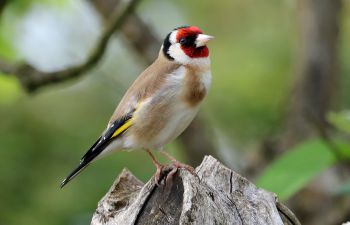
Recent research from the University of Sussex has brought to light a severe environmental issue: pesticides contamination is now present in every single UK garden bird tested in a new study. Funded by the conservation charity SongBird Survival, this research provides stark evidence that common veterinary products are making their way into wild ecosystems. The findings raise significant concerns regarding environmental safety and the long-term wildlife impact of chemicals routinely used in domestic settings.
The study tested feather samples from five common garden bird species and found a 100% contamination rate. Furthermore, subsequent tests on unhatched eggs and deceased chicks revealed that these chemicals are transferring directly into the next generation of wild birds. As the UK faces an ongoing decline in songbird populations, understanding the source and implications of this contamination is critical for conservationists, policy makers, and the public.
Share your experiences in the comments below regarding wildlife conservation efforts in your local area.
How Pet Flea Treatments Contribute to Wildlife Impact
The primary source of the pesticides contamination identified in the University of Sussex study is not agricultural runoff, as is often the case with environmental toxins, but rather over-the-counter flea and tick treatments applied to domestic pets. More than 80% of UK cats and dogs receive at least one flea or tick treatment annually. Many pet owners apply these spot-on treatments monthly as a preventative measure, resulting in a continuous, year-round discharge of active chemicals into the home and surrounding environment.
The research specifically identified high concentrations of imidacloprid, fipronil, and chlorpyrifos in the bird samples. These chemicals are potent insecticides:
- Imidacloprid: A neonicotinoid found in 88% of the feather samples. The European Union banned this chemical for plant protection in 2018 due to its devastating effects on pollinators.
- Fipronil: Found in 72% of the feather samples. This chemical has been banned for agricultural use in the EU since 2014.
- Chlorpyrifos: Detected in 96% of the samples. This pesticide has been illegal in the EU since 2020, and its persistent presence suggests long-term environmental accumulation.
While these substances are banned in agricultural contexts to protect environmental safety, they remain legally available for use on pets. This regulatory loophole creates a paradox where chemicals deemed too dangerous for crops are systematically introduced into domestic environments, eventually reaching wild habitats.
Understanding the Scale of Pesticides Contamination
To fully grasp the severity of the wildlife impact, it is necessary to examine the methodology and results of the two distinct studies published by the University of Sussex. The researchers did not rely on a single metric; instead, they analyzed both adult birds and their offspring to establish a comprehensive picture of the contamination.
Feather Analysis in Adult Birds
In the first study, scientists analyzed 74 feather samples collected from five common UK garden birds: blackbirds, blue tits, chaffinches, dunnocks, and goldfinches. Feathers are an excellent biological marker for chemical exposure because they accumulate contaminants from the bloodstream during growth. The fact that every single sample contained pesticides indicates that no species or demographic within the sampled group is immune to exposure. The birds are not isolated cases; they represent a ubiquitous environmental reality.
Transfer to Eggs and Chicks
The second study focused on unhatched eggs and chicks found deceased in their nests. Researchers screened these samples for 20 different pesticides. The majority contained at least one chemical commonly used in pet flea treatments, with fipronil sulfone, fipronil, and imidacloprid appearing most frequently.
According to Dr. Cannelle Tassin de Montaigu, the lead researcher and Research Fellow at the University of Sussex’s School of Life Sciences, this is the first direct evidence that these chemicals are transferring from contaminated nesting material into the eggs and body tissue of wild birds. This transgenerational transfer is particularly alarming because developing embryos and newly hatched chicks are highly vulnerable to even minute quantities of neurotoxic chemicals, which can hinder development, reduce survival rates, and contribute to population declines.
The Hidden Pathways of Chemical Exposure
A critical question arises from these findings: how exactly do chemicals applied to a domestic dog or cat end up in the feathers and eggs of a wild blue tit or goldfinch? Previous research from the University of Sussex helps clarify this pathway, tracing a direct route from the treated pet to the broader environment.
When a pet owner applies a spot-on flea treatment, the chemical spreads across the animal’s skin and coat. The University of Sussex previously demonstrated that fipronil or imidacloprid can be detected on the hands of pet owners for at least 28 days following a single application. Despite guidelines advising minimal contact until the application site is dry, the reality is that contamination occurs continuously throughout the product’s active period.
Handwashing has been identified as the largest source of these chemicals entering waterways and household drains. From there, the chemicals enter the municipal water system and eventually contaminate local rivers and streams. However, the pathway to garden birds is even more direct. Pets shed the chemicals in their fur, which transfers to furniture, carpets, and garden soil. When birds forage in gardens or collect materials to build their nests, they pick up these contaminated fibers and soils. The birds then bring the pesticides directly into their nests, where the chemicals leach into the eggs.
Explore our related articles for further reading on how household chemicals affect local water systems and soil health.
Why Current Environmental Safety Measures Are Falling Short
The findings from the University of Sussex highlight a significant failure in current environmental safety protocols. The regulatory framework for veterinary parasiticides has historically prioritized the health of the treated animal and the immediate human household, treating the broader environment as a secondary concern.
Currently, these flea and tick treatments can be sold over-the-counter in various retail settings without requiring professional advice from a vet. This accessibility encourages a preventative, blanket-application approach rather than a targeted, need-based treatment strategy. Ed Bailey, Director and Chair of Vet Sustain, noted that while further evidence is still needed on the precise ecological impacts, the veterinary community supports the precautionary principle and a risk-based approach to prescribing these products. A label on a box is proving insufficient to ensure environmental safety.
Actionable Steps for Pet Owners to Minimize Harm
Addressing the wildlife impact of pesticides contamination requires systemic regulatory changes, but pet owners can take immediate, practical steps to reduce their contribution to the problem. Shifting from automatic, calendar-based preventative treatments to a risk-based approach is a highly effective strategy.
- Consult with a Veterinarian: Rather than purchasing over-the-counter treatments, speak with a vet about the actual parasite risk in your area. Vets can recommend targeted treatments only when necessary, rather than year-round applications.
- Practice Strict Hygiene Post-Application: If you must use a spot-on treatment, avoid touching the application site entirely. Wash your hands thoroughly and immediately after any contact with the pet, and separate treated pets from wildlife areas if possible.
- Properly Dispose of Packaging: Do not throw empty flea treatment pipettes or packaging into household waste where they can leach into groundwater. Follow local hazardous waste disposal guidelines.
- Consider Alternative Products: Discuss oral flea medications with your vet. While they also contain chemicals, they do not shed externally into the home environment or garden soil, significantly reducing the pathway to wild birds.
By adopting these practices, individual households can dramatically reduce the chemical load entering local ecosystems and help protect vulnerable UK garden birds.
The Push for Policy Change and Regulation
While individual actions are valuable, the scale of the pesticides contamination problem demands intervention at the government level. UK Government ministers are currently investigating whether over-the-counter pet flea treatments should be restricted to distribution only by veterinary practitioners or pharmacists. The Government has also announced plans to launch an education campaign for pet owners on the responsible use of these products starting in spring 2026.
Conservation groups are pushing for more decisive action. The University of Sussex and SongBird Survival are urging the government to accelerate plans to address rising levels of fipronil and imidacloprid in the environment. An open letter detailing these concerns has been signed by major environmental organizations, including the RSPB and the Wildlife Trusts, and sent directly to the Environment Secretary.
Sue Morgan, Chief Executive of SongBird Survival, emphasized that making these products prescription-only would be an effective first step. This change would ensure that access to the treatments is maintained for pets that genuinely need them, but with the necessary veterinary guidance to prevent environmental harm. As Professor Dave Goulson of the University of Sussex stated, the widespread environmental contamination of rivers, eggs, and feathers by these potent insecticides is unacceptable, and regulatory steps are urgently needed.
Have questions? Write to us to learn more about how to support wildlife conservation initiatives in your community.
Conclusion
The revelation that 100% of tested UK garden birds carry pesticides contamination is a stark indicator of how deeply human domestic practices affect the natural world. The University of Sussex research clearly demonstrates that the unchecked use of over-the-counter flea and tick treatments poses a severe threat to environmental safety and avian wildlife. By understanding the pathways of exposure and recognizing the inadequacies of current regulations, both the public and policy makers can take informed steps to halt this chemical tide. Protecting the UK’s songbird populations requires a collective commitment to altering how we manage parasite control in our homes and demanding higher safety standards for the products we use.
Submit your application today to join local conservation volunteer groups working to protect garden bird habitats.