
Explore Innovative Learning Resources in UK Physiotherapy Education at the University of Huddersfield
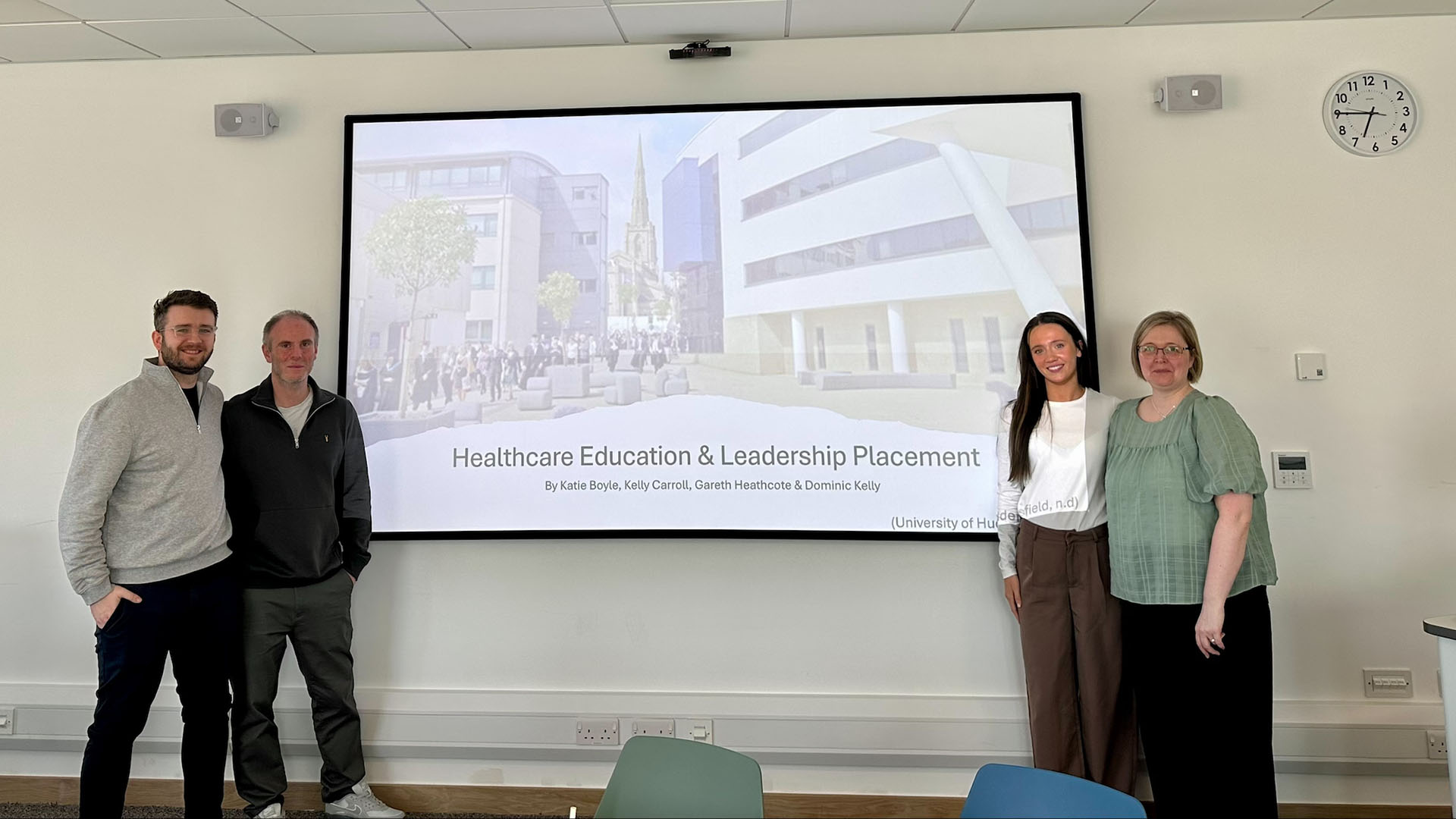
Healthcare education in the United Kingdom continues to adapt to the complex demands of modern clinical environments. Rather than relying solely on traditional lectures and textbook theory, academic institutions are increasingly prioritizing practical, student-led initiatives. A recent project at the University of Huddersfield highlights this shift, where four final-year students took direct control of their learning environment to produce innovative learning resources. By co-designing, filming, and editing a series of practical skills videos, these students have created a tangible bridge between academic theory and clinical practice, setting a new standard for peer-led education.
If you are considering a career in allied health professions and want to understand how modern programs operate, schedule a free consultation to learn more about the available pathways and what to expect from contemporary clinical training.
Structure and Demands of Modern Physiotherapy Apprenticeships
Physiotherapy apprenticeships represent a significant departure from conventional, full-time university routes. These programs allow students to earn a wage while completing their degree, splitting their time between academic study and active clinical placement. This dual-track approach ensures that apprentices are consistently applying what they learn in the classroom directly to patient care settings. The University of Huddersfield has developed a robust framework for these apprenticeships, ensuring that the curriculum meets the stringent standards set by the Health and Care Professions Council (HCPC) and the Chartered Society of Physiotherapy (CSP).
For apprentices like Katie Boyle, Kelly Carroll, Gareth Heathcote, and Dominic Kelly, this structure means navigating a rigorous schedule that demands high levels of time management, resilience, and clinical competence. Because apprentices are integrated into healthcare teams from day one, they are expected to perform at a high standard much earlier than traditional students. This accelerated professional development makes the availability of high-quality, context-specific training materials absolutely critical to their success.
For those ready to take on the challenge of a dual-learning environment, submit your application today to begin your journey in a healthcare apprenticeship program.
Bridging Theory and Practice Through Innovative Learning Resources
One of the most persistent challenges in UK physiotherapy education is the gap between theoretical knowledge and practical application. Students often struggle to translate textbook descriptions of manual therapy, patient assessment, and exercise prescription into real-world physical actions. Recognizing this hurdle, the final-year apprenticeship quartet at the University of Huddersfield undertook a project to develop innovative learning resources specifically designed to address this disconnect.
By creating practical skills videos, the students provided their peers with a visual, step-by-step reference guide that can be accessed repeatedly. Unlike a one-off classroom demonstration, video resources allow learners to pause, rewind, and review complex physical techniques at their own pace. This is particularly valuable in physiotherapy, where the nuances of hand placement, patient positioning, and force application are difficult to capture in written text. The students did not just passively consume these resources; they actively co-designed and filmed them, ensuring the content was highly relevant to the specific challenges faced by students on clinical placements.
Aligning with the Chartered Society of Physiotherapy Pillars
The video project was not an extracurricular hobby; it was deeply integrated into the core curriculum. Joshua Birtwistle, a senior lecturer in physiotherapy at the university, noted that this placement experience addressed all four CSP pillars of physiotherapy practice. While clinical practice and management are standard focuses, this specific project placed a heavy weighting on the leadership and education pillars. By actively participating in the creation of educational content, the students demonstrated that modern physiotherapy extends far beyond treating patients—it encompasses shaping the future of the profession through teaching and mentorship.
Cultivating Student Leadership UK in Healthcare Programs
The concept of student leadership UK is gaining substantial traction as universities recognize the need to prepare graduates for senior, multidisciplinary roles. Leadership in healthcare is not strictly about managing departments or handling administrative budgets; it is about taking initiative, guiding peers, and driving improvements in clinical practices. The project undertaken by the Huddersfield quartet serves as a prime example of this leadership in action.
Dominic Kelly noted that stepping into a leadership role to work with fellow students challenged his clinical knowledge and opened his eyes to the broader responsibilities of a physiotherapist. When you have to teach a skill, you must understand it at a fundamentally deeper level than when you merely perform it. This forced the students to critically evaluate their own clinical competencies, identify gaps in their understanding, and refine their techniques to ensure accuracy on camera. Furthermore, Dominic highlighted that the communication skills developed during this project will be invaluable in his day-to-day clinical role and in his future capacity as an educator for incoming placement students.
We encourage you to share your experiences in the comments below regarding how student-led initiatives have impacted your own professional development or academic studies.
The Educator’s Perspective on Inclusive Teaching Methods
The success of student-led resource creation relies heavily on the support and guidance of the academic faculty. Joshua Birtwistle’s approach to this project exemplifies a shift toward inclusive teaching and learning approaches in higher education. Rather than dictating the exact content and format of the learning materials, the senior lecturer facilitated an environment where the students could leverage their recent clinical experiences to dictate what their peers actually needed to see.
This co-design philosophy acknowledges that students possess unique, up-to-date insights into the realities of clinical placements—insights that may differ from the experiences of faculty members who have been out of full-time clinical practice for several years. By empowering the quartet to take ownership of the project, the university fostered a sense of accountability and professional pride. Birtwistle praised the students for producing an array of outstanding resources that will benefit physiotherapy learners for years to come, emphasizing that their contributions will have a lasting impact on the bright future of the profession.
Preparing for the Wider Role of a Healthcare Professional
Kelly Carroll’s reflections on the project underscore a critical reality for modern graduates: developing as a clinician requires a much broader skill set than purely technical proficiency. Today’s physiotherapists must be adept communicators, capable educators, and supportive mentors. They carry the responsibility of maintaining high standards within the profession not just through their own clinical practice, but through the education and development of future practitioners.
Kelly pointed out that the project provided valuable insight into the role physiotherapists play in shaping future professionals. By applying strong technical skills alongside effective communication, the students learned how to construct supportive learning environments. Kelly noted that knowing her input contributed to the understanding and development of her peers was highly fulfilling, highlighting the profound impact that effective teaching can have on student confidence, participation, and progression. As physiotherapy remains an ever-changing profession, professionals must continuously adapt and take ownership of how new generations are trained.
To understand more about how educational methodologies are evolving across different disciplines, explore our related articles for further reading on allied health innovations.
Long-Term Benefits for UK Physiotherapy Education
The immediate benefit of this project is a library of high-quality, peer-generated video resources tailored to the specific curriculum of the University of Huddersfield. However, the long-term implications for UK physiotherapy education are much more significant. This model of student co-creation can be replicated across various modules and healthcare disciplines, effectively building a continuously updating repository of knowledge. As clinical guidelines evolve, new cohorts of students can update, expand, and refine the videos left behind by their predecessors.
Furthermore, this initiative demonstrates to employers that graduates from these apprenticeship programs are not just competent clinicians, but capable leaders and educators. Employers in the National Health Service (NHS) and private sector actively seek out professionals who can mentor junior staff, lead training sessions, and contribute to service improvement. The experience gained by Katie, Kelly, Gareth, and Dominic gives them a distinct competitive advantage in the job market, proving they possess the initiative and pedagogical understanding required to elevate the teams they join.
Conclusion
The initiative led by the final-year apprenticeship students at the University of Huddersfield illustrates the powerful intersection of clinical practice, education, and leadership. By stepping outside their traditional roles as students and acting as curriculum co-developers, these individuals have directly enhanced the quality of UK physiotherapy education. Their work proves that innovative learning resources are most effective when they are grounded in the real, recent experiences of peers. As the healthcare sector continues to demand highly adaptable and skilled professionals, programs that foster this level of autonomy and leadership will be essential in producing the next generation of physiotherapists.
Have questions? Write to us! We are available to provide additional information on how apprenticeship programs integrate leadership and education into their core structures.