Examine the Future of Disability Sport and Sport Science at Loughborough University UK
How Loughborough University UK Leads Sport Science Research
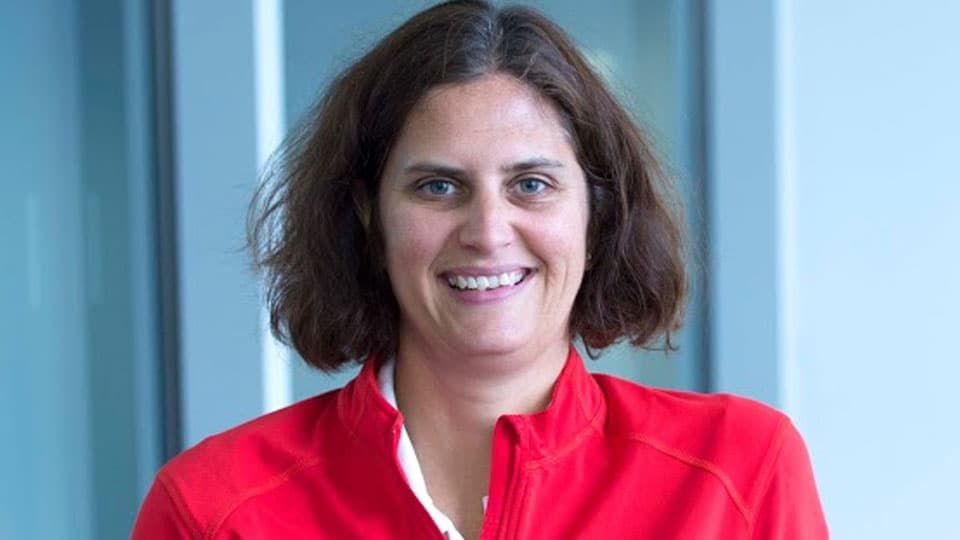
Bringing high-level academic research to the general public requires a unique blend of expertise and communication skills. Recently, the academic community had the opportunity to see this intersection in action when Professor Vicky Tolfrey, Director of the Centre for Para and Disability Sport Innovation, appeared on the chart-topping ‘A Question of Science’ podcast. Presented by Professor Brian Cox and produced by BBC Studios for The Francis Crick Institute, the podcast provided a platform to discuss the advancement of sport science research in elite athletics. This appearance highlights how Loughborough University UK continues to act as a central hub for evidence-based athletic research, particularly in the specialized field of disability sport.
For prospective students and current professionals in the field, the discussions held during this podcast episode offer a clear window into the type of rigorous, applied research conducted at leading UK institutions. The episode, slated for release in October 2026 under the title ‘Is sport science just for athletes?’, tackles the misconception that high-performance athletic research exists in a vacuum, separate from everyday health and wellness applications.
Schedule a free consultation to learn more about our sport science programs.
Analyzing the Evidence Behind Muscle Growth and Supplements
During the live panel discussion, Professor Tolfrey joined prominent figures such as Andy Jones, Greg Whyte, and Helen Glover to address some of the most pervasive topics in modern athletics. A significant portion of the conversation focused on the physiological mechanisms of muscle growth and the highly debated world of dietary supplements. In the modern fitness landscape, athletes and recreational gym-goers alike are bombarded with products claiming to enhance performance. However, distinguishing genuine scientific evidence from marketing hype remains a substantial challenge.
Sport science professionals rely on double-blind, placebo-controlled studies to determine the actual efficacy of supplements like creatine monohydrate, beta-alanine, and various protein formulations. The panel emphasized that while certain supplements offer marginal, measurable gains for elite competitors, the foundational pillars of performance—adequate sleep, consistent progressive overload in training, and proper macronutrient intake—cannot be replaced by pills or powders. For students studying sport science, learning to critically evaluate clinical trials and understand statistical significance is a crucial skill that separates true scientists from casual observers.
The Evolution of Disability Sport and Para Athletics
Professor Vicky Tolfrey brought a highly specialized perspective to the podcast panel as an applied physiologist focusing on Paralympic and disability sport. Her work at Loughborough University UK revolves around understanding the unique physiological responses of athletes with impairments, particularly in the realm of wheelchair propulsion. Unlike able-bodied athletics, where the biomechanics of running are universally studied, wheelchair racing and court sports require a distinct set of biomechanical and physiological analyses.
Research in disability sport investigates how upper-body musculature adapts to intense cardiovascular training, how to optimize the push-rim interface to maximize force transfer, and how to prevent overuse injuries that are notoriously common in wheelchair athletes. Furthermore, Professor Tolfrey’s work extends into the complex world of classification systems in elite disability sport. Because athletes compete within specific classification groups based on the nature and severity of their impairments, sport scientists must develop precise, objective testing methods to ensure fair competition. This requires a deep understanding of neurology, biomechanics, and physiology, making it one of the most intellectually demanding areas of sport science.
Submit your application today to study alongside leading researchers.
Bridging the Gap Between Elite and Everyday Health
A critical point raised during the podcast was the translation of elite disability sport research into practical health applications for the general public. The physiological insights gained from studying elite Paralympians do not just stay in the laboratory; they directly inform health and sporting approaches for disabled individuals, including everyday wheelchair users. Understanding how to build cardiovascular fitness, maintain upper-body strength, and prevent shoulder injuries in a wheelchair population has profound implications for public health.
Historically, adaptive sports and rehabilitation programs were heavily siloed. However, the current trajectory of research emphasizes a continuum of care and performance. By analyzing how elite athletes push their bodies to the absolute limits of human endurance, researchers can establish baseline parameters for what is physiologically possible. These parameters can then be scaled down to develop safe, effective exercise prescriptions for individuals dealing with spinal cord injuries, amputations, or neuromuscular conditions. This approach helps improve the overall quality of life, mobility, and independence for disabled individuals outside of the competitive arena.
Applying Elite Sport Science to Public Health Strategies
The concept of pushing the boundaries of human strength and endurance is not limited to able-bodied Olympic athletes. Para athletes demonstrate extraordinary adaptations to physical stress, providing a unique cohort for scientific study. When researchers track the metabolic rates, muscle fiber transformations, and cardiovascular efficiency of these athletes, they gather data that challenges conventional medical assumptions about disability and physical capacity.
For example, research originating from facilities like the Centre for Para and Disability Sport Innovation often influences the design of adaptive equipment. A wheelchair designed for a sprinter might utilize different materials, camber angles, and seating positions than one designed for a marathoner. These technological advancements eventually trickle down to consumer-grade wheelchairs, resulting in lighter, more efficient, and more comfortable equipment for daily use. The synergy between elite sport science and public health engineering represents a vital, ongoing cycle of improvement.
Explore our related articles for further reading on para athletics.
Career Opportunities in Sport Science and Disability Sport
For those listening to the podcast and considering a career in this field, the scope of opportunity within sport science is expanding rapidly. The profile of disability sport has grown exponentially following the success of recent Paralympic Games, leading to increased funding and institutional support for specialized research. Graduates entering the job market with a background in applied physiology, biomechanics, or sports technology can pursue various career pathways.
- Applied Sports Scientist: Working directly with national governing bodies or professional Paralympic teams to monitor training loads, optimize recovery, and enhance peak performance.
- Researcher or Academic: Conducting primary research at a university or specialized institute to advance the understanding of human physiology, injury prevention, and disability classification.
- Sports Technologist: Collaborating with engineering teams to design and test assistive devices, prosthetics, and adaptive equipment that improve athletic performance and daily mobility.
- Clinical Exercise Physiologist: Translating elite research into clinical settings, working with rehabilitation centers to develop exercise programs for individuals with physical impairments or chronic conditions.
The Importance of Interdisciplinary Collaboration
The podcast panel itself was a testament to the interdisciplinary nature of modern sport science. Professor Tolfrey, an applied physiologist, shared the stage with experts in endurance running and elite rowing, moderated by a theoretical physicist. This cross-pollination of ideas is essential. A physiologist studying wheelchair propulsion might collaborate with materials engineers to develop better tires, or with data scientists to create predictive models for injury prevention. Students who can think across traditional academic boundaries will find themselves highly valued in the modern sports science landscape.
Preparing for a Future in Applied Physiology
Succeeding in this highly competitive field requires more than just a passing interest in sports. It demands a rigorous academic foundation and a commitment to the scientific method. Aspiring professionals must develop strong analytical skills to interpret complex data sets, as well as the practical skills necessary to conduct human subject testing ethically and accurately.
Furthermore, communication skills are paramount. As demonstrated by the panelists on ‘A Question of Science’, the ability to translate dense, jargon-heavy research into accessible, engaging language for the public is a valuable asset. Whether writing grant proposals, presenting at international conferences, or educating athletes about their training protocols, the capacity to communicate clearly can define a professional’s career trajectory.
The academic environment provided by top-tier institutions offers the necessary resources—specialized laboratories, motion capture systems, metabolic carts, and access to elite athlete cohorts—to facilitate this level of advanced study. Engaging with established researchers who are actively contributing to international federations and policy-making provides students with unparalleled mentorship and networking opportunities.
Moving Forward in Sport Science Research
The upcoming release of the ‘A Question of Science’ episode in October 2026 will serve as a significant milestone in bringing the nuances of sport science to a broader audience. It underscores the reality that the study of human performance is not merely about winning medals; it is about understanding the human body, solving complex physiological puzzles, and applying those solutions to improve lives across the population spectrum.
Whether analyzing the truth behind the latest supplement trend, optimizing the biomechanics of a wheelchair racer, or developing new public health strategies for disabled individuals, the work being done in this field has tangible, lasting impacts. As the boundaries of what the human body can achieve continue to be pushed, the demand for skilled, evidence-based sport scientists will only continue to rise.