
University of Wolverhampton Illustration Graduate Leads Lush’s European Campaign Artwork
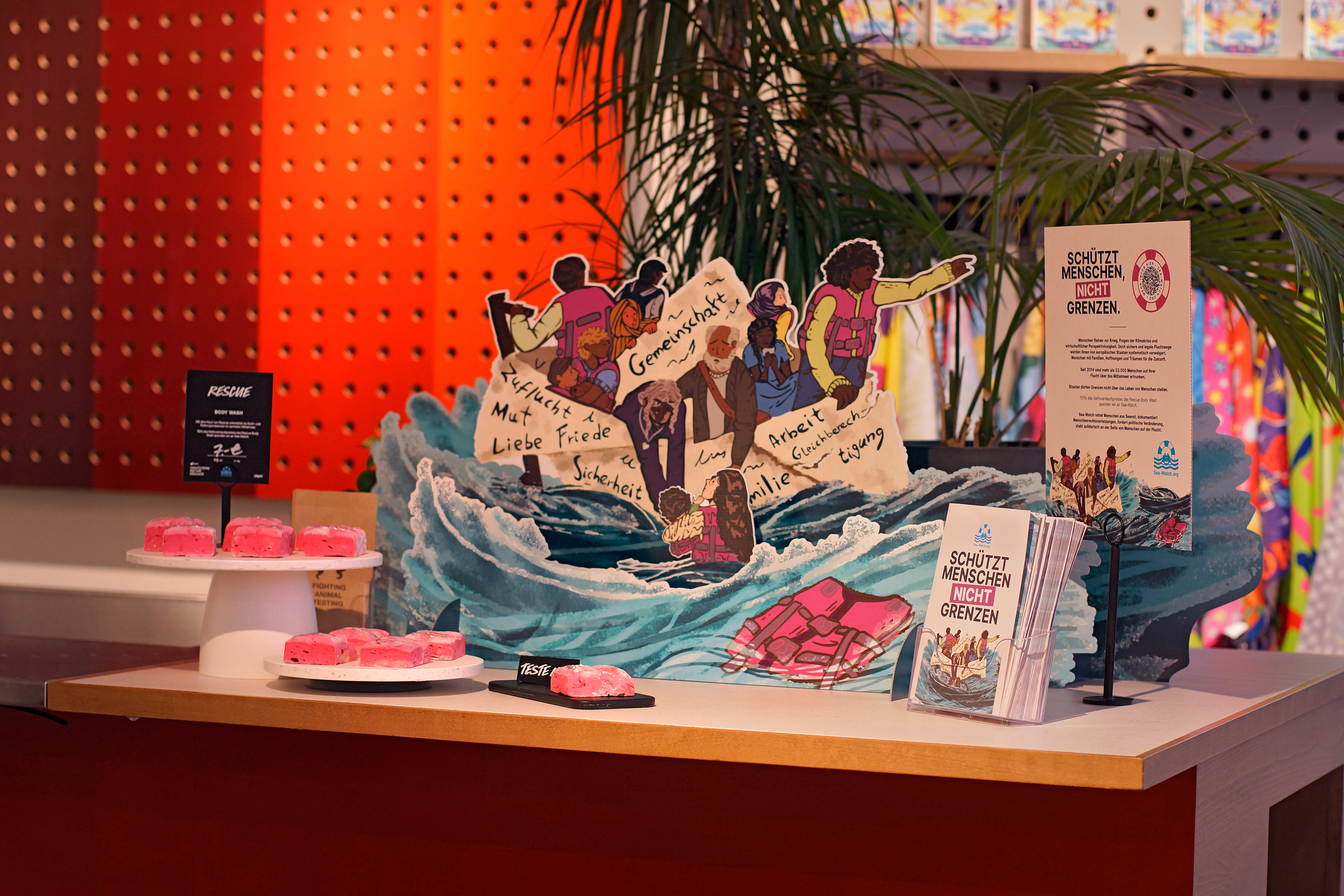
The journey from university lecture hall to international retail campaigns is one many creative arts students aspire to, but few achieve so early in their careers. Nayia Balatsou, a 2022 Illustration graduate from the University of Wolverhampton’s School of Arts, has accomplished exactly that. Her commissioned artwork now features prominently across 157 Lush stores in 15 European countries, marking a significant milestone that demonstrates the tangible career outcomes possible through targeted creative education in the UK.
How Graduate Artwork Reaches International Audiences
The creative industries operate on visibility and impact. When a major international cosmetics brand like Lush selects artwork for a high-profile campaign, that decision carries weight across the entire sector. Nayia’s illustration was not simply displayed in a single location—it became the visual anchor for a Europe-wide initiative delivered in partnership with Sea Watch, a civil sea rescue organisation.
Her artwork appeared in multiple formats: large-scale shop window displays designed to catch the attention of passing consumers, in-store installations that created immersive brand experiences, and printed materials distributed across all participating locations. This multi-channel approach is standard practice in retail marketing, and having artwork adapted across these different mediums requires a specific set of technical and conceptual skills that employers actively seek.
For aspiring illustrators, understanding how artwork translates from a digital file to a physical storefront is essential. The illustration needed to remain visually coherent whether viewed up close on a leaflet or from a distance through a shop window. This practical consideration is something that distinguishes professional illustration work from purely academic exercises.
The Creative Brief Behind the Lush Campaign
Successful commercial illustration begins with understanding the brief. Nayia’s artwork for the Lush campaign was not created in a vacuum—it responded to specific thematic requirements identified by the commissioning team. The illustration depicts people at sea supporting one another, with messages of family, equality, and love incorporated into the design of the boat. A pink life jacket featured prominently in the image corresponds to a limited-edition Lush fundraising product tied to the campaign.
This level of thematic integration demonstrates what brands look for when commissioning creative work: artwork that serves both aesthetic and communicative functions. The illustration needed to convey the values of the Sea Watch partnership while maintaining the visual identity that Lush customers expect. Balancing these requirements is a skill that develops through practice with real-world briefs.
As Nayia herself noted, illustration represents “a way to give a voice to stories that matter.” This perspective aligns with how many successful illustrators approach commercial work—not merely as decoration, but as a form of visual communication that can influence how audiences perceive complex issues.
Building Professional Skills at UK Creative Institutions
Nayia’s path to this commission illustrates a broader truth about creative education in the UK: the value lies not only in technical instruction but in exposure to professional working methods. During her time at the University of Wolverhampton from 2019 to 2022, she studied through the peak of the Covid-19 pandemic—a period that disrupted creative education globally. Despite these challenges, she identified specific elements of her course that directly contributed to her later success.
Working on real briefs for real clients emerged as a particularly valuable component of her education. This type of project-based learning bridges the gap between academic study and professional practice by requiring students to manage deadlines, respond to client feedback, and produce work that meets external standards rather than only internal assessment criteria. For students evaluating creative arts programmes, the presence of live brief opportunities should be a significant factor in their decision-making process.
Exposure to different media also played a role in Nayia’s development. Her studies encompassed both digital illustration and hands-on printmaking—a combination that provides versatility in a field where client requirements vary widely. Some campaigns demand crisp digital output optimised for screen display, while others benefit from the texture and authenticity of traditional print techniques. Graduates who can work across multiple mediums have a competitive advantage when seeking commissions.
The Role of Portfolio Development in Securing Commissions
Perhaps the most instructive aspect of Nayia’s journey is how she actually secured the Lush commission. Rather than waiting for opportunities to come through institutional channels, she approached Lush independently with her portfolio after graduating. This proactive approach reflects a reality of the creative industries that formal education can only partially prepare students for: the necessity of self-promotion and direct outreach.
A well-constructed portfolio serves multiple functions in this context. It demonstrates technical capability, yes, but more importantly, it shows potential clients that the illustrator understands how to present work professionally. The selection of pieces, the order in which they appear, the quality of documentation, and the overall coherence of the portfolio all communicate information about the illustrator’s professionalism before a single word is spoken.
For current students and recent graduates, the lesson is clear: building a portfolio should not be treated as an afterthought completed in the final weeks before graduation. It is an ongoing process that benefits from continuous refinement throughout a degree programme. Every project completed, whether for a module or a live brief, represents potential portfolio content—but only if the work is documented and presented to professional standards.
Career Pathways in the Creative Industries for UK Graduates
Nayia’s success with the Lush campaign represents one of several possible career pathways available to illustration graduates in the UK. The creative industries encompass a broad range of roles and specialisations, each with distinct requirements and opportunities.
Commercial Illustration and Brand Partnerships
Working directly with brands on campaigns and product visualisation represents a significant portion of the illustration market. Companies across sectors—from cosmetics and fashion to technology and food and beverage—require custom illustration for advertising, packaging, social media content, and environmental design. The Lush campaign falls into this category, where illustration serves specific marketing objectives within a defined timeframe.
Graduates pursuing this pathway need to develop not only their artistic skills but also their understanding of brand communication, consumer psychology, and marketing fundamentals. Illustrators who can articulate how their visual work supports broader business objectives are more likely to secure and retain commercial clients.
Editorial and Publishing Illustration
Book covers, magazine illustrations, and digital publishing represent another major market for illustrators. This work often involves interpreting written content visually—translating narratives, concepts, or arguments into images that complement and enhance the text. Editorial illustration in particular requires the ability to generate ideas quickly and work within tight deadlines, as publications operate on fixed production schedules.
Independent Practice and Gallery Work
Some illustrators build careers through independent practice, selling original artwork, prints, and merchandise directly to consumers through galleries, online platforms, or at markets and fairs. This pathway offers greater creative autonomy but requires strong business and marketing skills, as the illustrator takes on responsibility for all aspects of their practice, including pricing, promotion, and distribution.
Practical Steps for Aspiring Illustrators
For those currently studying illustration or considering it as a degree choice, several actionable strategies can increase the likelihood of achieving professional outcomes similar to Nayia’s:
Seek out live brief opportunities early. Do not wait until final year modules require client work. Look for external competitions, volunteer projects, and freelance opportunities from the beginning of your studies. Each completed brief strengthens your portfolio and your understanding of professional expectations.
Develop a consistent online presence. Clients increasingly discover illustrators through social media and online portfolios. Maintain active profiles on platforms relevant to your target market, and post work regularly to demonstrate ongoing practice. Your online presence should reflect the same standard of presentation as your formal portfolio.
Research potential clients before approaching them. When Nayia approached Lush, she likely understood the brand’s visual identity, values, and the type of work they typically commission. Targeted outreach based on genuine knowledge of a client’s needs is far more effective than generic portfolio submissions sent to dozens of companies simultaneously.
Build relationships with peers and alumni. The creative industries operate substantially on personal connections and recommendations. Your fellow students will become your professional network, and alumni who have already established careers can provide advice, introductions, and sometimes direct opportunities.
The Value of Creative Education in a Changing Market
The illustration market continues to evolve with technology, but the fundamental skills developed through formal creative education remain relevant. Technical proficiency with digital tools is now baseline rather than exceptional, and what increasingly differentiates successful illustrators is their conceptual thinking, their ability to communicate visually across contexts, and their professional conduct when working with clients.
The University of Wolverhampton’s School of Arts, like other creative programmes across UK universities, structures its curriculum to develop these broader competencies alongside technical skills. The emphasis on live briefs, portfolio development, and exposure to professional practices reflects an understanding that graduates need more than artistic talent to build sustainable careers.
Nayia’s experience demonstrates that this approach can yield results. Studying during a global pandemic presented obstacles that could easily have derailed her professional development, but the structure and support of her programme allowed her to continue building the skills and body of work that eventually led to the Lush commission. Her proactive approach after graduation—approaching the company independently rather than waiting for opportunities—shows how formal education provides a foundation that students must then actively build upon.
Evaluating Creative Arts Programmes in the UK
For prospective students researching creative arts programmes, several factors deserve careful consideration beyond course titles and module lists:
Facilities and resources: Access to appropriate studios, equipment, and software directly affects the quality of work students can produce. Visit campuses where possible and assess whether the available resources match the type of work you want to create.
Industry connections: Programmes with active relationships to local and national creative organisations can provide opportunities for live briefs, placements, and exposure to professional networks. Investigate whether teaching staff maintain active professional practices and whether guest speakers from industry feature in the curriculum.
Alumni outcomes: Look at where graduates from specific programmes are working. Consistent patterns of employment in the creative industries suggest that a programme is effectively preparing students for professional practice.
Portfolio requirements: The quality of work required for entry to a programme often reflects the standard of work expected throughout the degree. Challenging entry requirements typically indicate a programme that will push students to develop their skills significantly.
Next Steps for Prospective Creative Arts Students
Building a career in illustration or broader creative industries requires both talent and strategic decision-making about education and professional development. The story of graduate artwork reaching international audiences through major retail campaigns shows what is possible when formal education, practical skills, and proactive career management align.
If you are considering studying illustration or a related creative discipline, research programmes thoroughly, prepare a strong portfolio for your applications, and think from the outset about how your studies will connect to your professional goals. The creative industries reward those who combine artistic ability with professional awareness—and the foundation for both can be built during your university years.
Submit your application today to begin developing the skills and portfolio that could lead to your own professional commissions. For specific questions about creative arts programmes and entry requirements, schedule a free consultation to learn more about the options available to you.
Have questions about building a creative career or preparing a portfolio for university applications? Write to us! Explore our related articles for further reading on career pathways in the UK creative industries.