
University of Winchester Event Management Students Navigate UK Licensing Laws in Mock Hearing
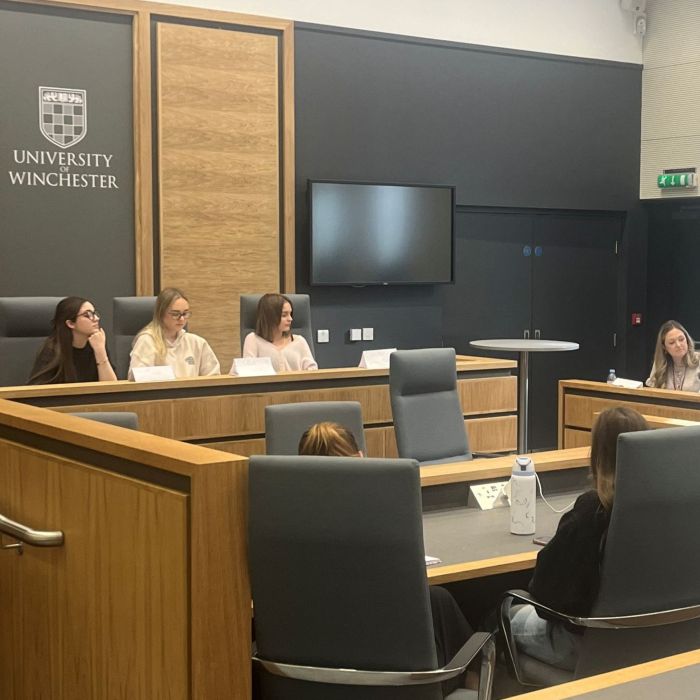
Understanding the legal framework governing public events is essential for anyone pursuing a career in the events industry. At the University of Winchester, second-year Event Management students recently participated in a mock licensing hearing that demonstrated how academic institutions can bridge the gap between classroom theory and real-world application. This innovative exercise, held in the university’s Moot Court, brought students face-to-face with the complexities of UK licensing laws and the rigorous standards enforced by local authorities.
Why Licensing Knowledge Matters for Event Management Professionals
Organising any public event—whether a music festival, a corporate conference, or a nightclub opening—requires navigating a web of regulatory requirements. Event planners must secure appropriate licences from local councils, coordinate with police services, and ensure compliance with safety regulations. Failure to understand these obligations can result in cancelled events, financial penalties, or even legal action.
Many Event Management UK programmes cover licensing regulations as part of their curriculum, but theoretical knowledge alone does not prepare students for the nuanced realities of the application process. Licensing committees scrutinise applications for consistency, risk mitigation strategies, and adherence to specific conditions. Students who only read about these processes miss the critical experience of presenting arguments, responding to challenges, and understanding how decisions are made in practice.
The University of Winchester recognised this gap and designed an exercise that places students directly in a simulated hearing environment. By doing so, the programme ensures graduates enter the workforce with a practical understanding of compliance issues that affect venue operations and event planning.
Schedule a free consultation to learn more about Event Management programmes
Inside the Mock Licensing Hearing at Winchester’s Moot Court
The mock hearing took place in the University of Winchester’s recently opened Moot Court, a facility typically used for law students to practise advocacy skills. Repurposing this space for Event Management students underscored the interdisciplinary nature of event planning, where legal knowledge intersects with operational execution.
The Scenario: A Problematic Nightclub Application
Programme leader Matt Bunday, a former Southampton City Councillor who previously chaired that authority’s licensing committee, designed a realistic scenario for the exercise. Students were asked to consider an application to open a new nightclub in Winchester city centre. However, the application was deliberately flawed—containing inconsistencies, gaps in information, and problematic elements that students had to identify and address.
Second-year students assumed different roles within the hearing. Some represented the applicants, tasked with defending their submission and responding to scrutiny. Others sat on the licensing committee, evaluating the application against legal standards and local policies. This role-playing approach forced students to consider the licensing process from multiple perspectives, developing both their analytical and communication skills.
Expert Participation from Winchester City Council
What set this exercise apart from typical classroom activities was the involvement of professionals from Winchester City Council’s Licensing, Public Safety and Legal team. Abby Toms, who chairs Winchester’s Safety Advisory Group, attended alongside licensing lawyers Laura James and Caitlin Rowles. Their presence elevated the exercise from a theoretical simulation to an authentic learning experience.
The council’s licensing lawyers provided guidance to students serving on the committee, mirroring the support they would offer to real committee members. This direct interaction allowed students to ask questions, receive immediate feedback, and gain insights that textbooks cannot provide. The partnership between the University of Winchester and Winchester City Council demonstrated how academic institutions can leverage local government expertise to enhance student learning.
Explore our related articles for further reading on practical learning approaches
The Value of Practical Learning UK Approaches in Higher Education
The mock licensing hearing exemplifies a broader shift in higher education toward experiential learning. Traditional lecture-based instruction remains valuable for conveying foundational knowledge, but employers increasingly expect graduates to possess hands-on skills and the ability to apply theory in complex, real-world situations.
Bridging Theory and Practice
Matt Bunday emphasised that while many Event Management programmes cover licensing theory in the classroom, few implement practical exercises where compliance and detail truly matter. The Winchester approach recognises that understanding licensing laws on paper differs significantly from navigating an actual hearing where decisions have consequences.
Students who participated in the exercise reported that stepping through the hearing process one stage at a time helped them internalise the requirements and challenges involved. Harrison Holmes, who represented the fictional nightclub applicant, noted that engaging with the process and testing arguments in real time provided learning outcomes that could not be achieved through reading alone.
Developing Professional Confidence
Beyond technical knowledge, practical exercises build professional confidence. Students who have experienced a simulated high-stakes environment are better prepared to handle similar situations in their careers. Whether presenting to a licensing committee, negotiating with vendors, or managing unexpected crises, the ability to remain composed and articulate under pressure is invaluable.
The relaxed yet purposeful atmosphere of the Winchester exercise—where students were encouraged to “have a go”—created a safe space for making mistakes and learning from them. This pedagogical approach recognises that competence develops through practice, not perfection on the first attempt.
Submit your application today to join the Event Management programme
Understanding UK Licensing Laws: What Event Professionals Need to Know
For those monitoring University of Winchester programmes or considering event management education more broadly, understanding the licensing landscape provides context for why such exercises matter. The UK’s licensing framework is governed primarily by the Licensing Act 2003, which establishes four key objectives: prevention of crime and disorder, public safety, prevention of public nuisance, and protection of children from harm.
Types of Licences Required for Events
Event organisers typically need to consider several types of licences depending on their activities:
- Premises Licences: Required for venues where alcohol is sold, regulated entertainment is provided, or late-night refreshment is offered.
- Personal Licences: Held by individuals who authorise the sale of alcohol at licensed premises.
- Temporary Event Notices (TENs): Allow smaller events to operate without a full premises licence for up to 499 attendees.
- Street Trading Consents: Needed for outdoor markets, food stalls, or other trading activities in public spaces.
Each licence type involves specific application requirements, fees, and conditions. Errors in applications can delay approvals or result in refusals, directly impacting event timelines and budgets.
The Role of Local Authorities
Local councils serve as the primary licensing authorities under the 2003 Act. Their licensing committees review applications, consider representations from responsible authorities (such as police and environmental health), and make determinations based on the four licensing objectives. Understanding how these committees operate—and how to present applications that address their concerns—is essential for event professionals.
The Winchester City Council partnership gave students direct exposure to this decision-making process. By observing how council lawyers analyse applications and advise committee members, students gained insight into the criteria that determine successful outcomes.
Have questions? Write to us about licensing and event management education
Career Implications for Event Management Graduates
Graduates who enter the events industry with practical licensing experience possess a distinct advantage. Employers in venue operations, festival organising, corporate event planning, and public sector event coordination value candidates who can navigate regulatory requirements without extensive on-the-job training.
Roles That Require Licensing Knowledge
Several career paths demand familiarity with UK licensing laws:
- Venue Managers: Responsible for maintaining premises licences and ensuring ongoing compliance with conditions.
- Festival Producers: Must coordinate with multiple authorities and secure appropriate permissions for large-scale outdoor events.
- Event Safety Consultants: Advise clients on regulatory requirements and risk management strategies.
- Local Authority Event Officers: Process licence applications and coordinate safety advisory groups.
- Corporate Event Planners: Ensure company events comply with relevant regulations, particularly when alcohol or entertainment is involved.
In each of these roles, the ability to prepare robust applications, respond to authority queries, and implement compliant event plans directly affects professional success. The University of Winchester’s mock hearing prepares students for these responsibilities from an early stage in their careers.
Industry Recognition of Practical Training
Abby Toms of Winchester City Council highlighted the value the authority places on graduates who understand compliance issues. Producing well-rounded event management professionals with experience across a range of skills benefits the entire industry. When new entrants to the field already grasp licensing complexities, local authorities, employers, and the public all benefit from safer, better-regulated events.
Share your experiences with practical learning in the comments below
The Future of Practical Learning at the University of Winchester
Following the success of this inaugural mock licensing hearing, Matt Bunday plans to make the exercise an annual feature of the Event Management programme. This commitment to continuous improvement reflects the university’s broader approach to curriculum development, where student feedback and industry engagement inform teaching methods.
The Winchester City Council partnership model could also be extended to other areas of event management education. Safety advisory group simulations, crisis management scenarios, and stakeholder negotiation exercises would provide additional opportunities for students to develop practical skills in realistic settings.
For prospective students evaluating Event Management UK programmes, the presence of such practical learning opportunities should be a key consideration. Programmes that integrate real-world experiences—with input from practising professionals—offer preparation that purely academic curricula cannot match.
Evaluating Event Management Programmes: What to Look For
When researching event management degrees, consider the following factors:
- Industry Partnerships: Does the programme maintain relationships with local authorities, event venues, and professional bodies?
- Practical Components: Are there opportunities to participate in simulations, live projects, or placements that go beyond classroom instruction?
- Facilities: Does the institution provide access to specialised spaces like moot courts, event spaces, or production facilities?
- Guest Input: Do practising professionals contribute to teaching, whether through guest lectures, workshop facilitation, or mentoring?
- Curriculum Currency: Does the programme content reflect current legislation, industry standards, and emerging trends?
The University of Winchester’s mock licensing hearing demonstrates how these elements can combine to create meaningful learning experiences. By leveraging its Moot Court facility, engaging Winchester City Council professionals, and designing scenarios that reflect real-world complexity, the programme provides a template for practical event management education.
Conclusion
Navigating UK licensing laws is a non-negotiable competency for event management professionals. The University of Winchester’s decision to embed a mock licensing hearing within its curriculum reflects an understanding that theoretical knowledge must be complemented by practical application. Through the Winchester City Council partnership, students gained exposure to the decision-making processes, professional standards, and analytical rigour that define successful licence applications.
For aspiring event managers, the lesson is clear: seek out programmes that prioritise Practical Learning UK approaches and provide opportunities to engage with regulatory frameworks in realistic settings. The skills developed through such exercises—critical analysis, persuasive communication, and attention to detail—translate directly to career success in an industry where compliance failures carry serious consequences.
Monitor University of Winchester developments in event management education to observe how institutions can innovate in response to industry needs. The mock licensing hearing represents one example of how universities can produce graduates who are not only knowledgeable but also operationally prepared from day one.