
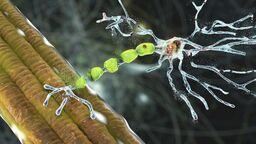
Motor neuron disease (MND), most commonly known as amyotrophic lateral sclerosis (ALS), remains one of the most formidable challenges in modern neurology. Characterized by the progressive degeneration of motor neurons in the brain and spinal cord, the condition systematically strips patients of their ability to move, speak, swallow, and eventually breathe. With an estimated lifetime risk of one in 300 people and a current lack of disease-modifying treatments, the medical community has long sought a viable pathway to alter the disease’s trajectory. Addressing this critical unmet need, researchers at the University of Sheffield are now participating in a pioneering international clinical trial evaluating a novel investigational drug designed to target the UNC13A protein, a fundamental genetic driver of MND.
Understanding the Mechanism: What is the UNC13A Protein?
To appreciate the significance of this clinical trial, it is necessary to understand the biological function of the UNC13A protein and its relationship to neurodegeneration. For years, research into MND focused heavily on specific genetic mutations, such as those affecting the SOD1 or C9orf72 genes. While these discoveries were invaluable, they only applied to a small subset of the patient population. The UNC13A protein, however, represents a different and much more universally relevant mechanism.
The Role of UNC13A in Nerve Communication
The UNC13A protein plays an indispensable role in the central nervous system by facilitating synaptic vesicle priming. In simpler terms, it acts as a critical molecular switch that allows neurons to communicate effectively with one another and with muscle fibers. When a motor neuron fires a signal telling a muscle to contract, the UNC13A protein ensures the neurotransmitters are properly positioned and released at the synapse. Without functional UNC13A, this line of communication degrades, leading to the muscle weakness and atrophy characteristic of MND.
Why Targeting UNC13A Matters for Most Patients
Recent genetic and biological research has established that the loss or dysfunction of the UNC13A protein contributes to disease progression in approximately 97 percent of people living with MND and ALS. This staggering statistic makes it one of the most broadly applicable therapeutic targets identified to date. Unlike treatments developed for rare genetic subtypes, a therapy that successfully restores UNC13A function has the potential to benefit the vast majority of patients, regardless of their specific genetic background. As noted by leading researchers in the field, UNC13A stands out as one of the most promising targets in ALS research today, grounded heavily in robust human genetics.
Subscribe to our newsletter for the latest clinical trial updates and neurological research breakthroughs.
How TRCN-1023 Works to Combat Motor Neuron Disease
The experimental drug at the center of this international effort is designated as TRCN-1023. Developed by Trace Neuroscience—a spinout company co-founded by Professor Pietro Fratta of the UCL Queen Square Institute of Neurology—TRCN-1023 belongs to a class of therapeutics known as antisense oligonucleotides (ASOs). This molecular approach represents a significant shift in how neurodegenerative diseases are treated, moving away from broad-spectrum symptom management toward highly targeted genetic intervention.
Antisense Oligonucleotides (ASOs) Explained
Antisense oligonucleotides are short, synthetic strands of nucleic acid engineered to bind specifically to RNA within cells. RNA serves as the intermediary messenger between DNA (the genetic blueprint) and proteins (the functional molecules that carry out cellular tasks). In MND patients, the processing of UNC13A RNA becomes faulty, leading to a loss of functional protein. TRCN-1023 is designed to bind to this specific RNA sequence and correct its processing. By intervening at the RNA level, the drug enables the patient’s own cellular machinery to produce a functional, healthy version of the UNC13A protein, thereby restoring the critical nerve-to-muscle communication pathways that the disease disrupts.
The Intrathecal Injection Delivery Method
Delivering drugs to the brain and spinal cord is notoriously difficult due to the blood-brain barrier, a highly selective membrane that protects the central nervous system from foreign substances in the bloodstream. To circumvent this obstacle, TRCN-1023 is administered via an intrathecal injection. This procedure involves delivering the drug directly into the cerebrospinal fluid—the liquid that surrounds and protects the brain and spinal cord. Intrathecal delivery is a well-established route for ASO therapies in neurology, ensuring that the medication reaches the exact site of motor neuron degeneration at therapeutic concentrations.
Explore our related articles for further reading on neurological research and therapeutic delivery methods.
Details of the FUNCTION ALS Clinical Trial in the UK
The UK arm of this global initiative is known as the FUNCTION ALS study. As a Phase 1/2 clinical trial, its primary objectives are to evaluate the safety, tolerability, pharmacokinetics (how the body processes the drug), and pharmacodynamics (the drug’s biological effects) of TRCN-1023. The University of Sheffield plays a central role in this trial, with Dame Pamela Shaw, Professor of Neurology, serving as the Chief Investigator.
Trial Design and Participant Eligibility
The FUNCTION ALS study is designed to enroll approximately 30 participants across multiple sites in the UK, Europe, and North America. In the UK, the clinical trial is being conducted at Sheffield Teaching Hospitals NHS Foundation Trust and University College London Hospitals. Participants in this randomized, placebo-controlled study will receive either the investigational drug TRCN-1023 or a placebo, followed by a comprehensive 24-week follow-up period to monitor outcomes rigorously.
Biomarker Analysis and Digital Assessments
Modern clinical trials increasingly rely on advanced metrics to measure efficacy and disease progression. The FUNCTION ALS trial incorporates detailed biomarker analysis to track the biological impact of the drug on the UNC13A protein levels in the cerebrospinal fluid. Furthermore, the study utilizes digital assessments to evaluate movement and speech. These digital tools are highly sensitive and can detect subtle changes in motor function while significantly reducing the burden on patients who might otherwise struggle with frequent, exhaustive in-clinic testing.
Contact our research team for more information on clinical trial eligibility and ongoing studies.
Global Expansion: The LAUNCH ALS Trial in China
To accelerate the development of TRCN-1023 and build a robust global clinical evidence base, the clinical program includes a parallel investigator-led trial in China known as LAUNCH ALS. This study is being conducted in partnership with Tenacia Biopharmaceutical and is led by Dr. Yilong Wang at Beijing Tiantan Hospital, a leading neurological center in China. The LAUNCH ALS trial expects to enroll around 25 participants using similar eligibility criteria to the UK study, with the first patients having already received their initial doses. Running concurrent trials across different continents allows researchers to gather diverse data sets much faster, a critical advantage given the rapid progression and fatal nature of MND.
The Broader Impact of MND Research at the University of Sheffield
The involvement of the University of Sheffield in the FUNCTION ALS trial is a testament to the institution’s long-standing expertise in neurodegenerative disease research. The Sheffield Institute for Translational Neuroscience (SITraN) is globally recognized for its work in understanding the underlying mechanisms of MND and translating those discoveries into potential therapies. By serving as a primary trial site and providing chief investigative leadership, the University of Sheffield is ensuring that patients in the UK have access to cutting-edge experimental treatments. The transition of UNC13A research from laboratory genetics to a human clinical trial highlights the vital importance of funding basic science and fostering strong partnerships between academic institutions and biotechnology enterprises.
What This Means for the Future of ALS Treatment
Historically, treatments for MND have been largely palliative, focusing on managing symptoms and extending life by a matter of months rather than halting or reversing the disease process. The advent of antisense oligonucleotide technology, successfully applied in conditions like spinal muscular atrophy (SMA), has paved the way for a new era of precision medicine in neurology. The robust financial backing of Trace Neuroscience—including a milestone Series A funding round exceeding $100 million—indicates strong industry confidence in UNC13A as a viable therapeutic target. While it will take time for the Phase 1/2 trials to conclude and for subsequent larger-scale efficacy trials to be conducted, the initiation of human testing for TRCN-1023 marks a concrete, measurable step forward. Restoring UNC13A function addresses the root cause of neuronal communication failure rather than merely treating the symptoms, offering a realistic pathway toward a disease-modifying therapy for the vast majority of people living with MND.
Share your thoughts on this research milestone in the comments below.
The journey from identifying a genetic anomaly to injecting a targeted therapy into a human patient requires years of meticulous research, collaboration, and funding. As the FUNCTION ALS and LAUNCH ALS trials progress, the medical community will watch closely. If TRCN-1023 proves safe and effectively restores UNC13A protein function, it could fundamentally alter the treatment landscape for motor neuron disease, shifting the focus from inevitable decline to measurable stabilization and improved quality of life for patients worldwide.
Have questions about the clinical trial process or neurological research? Write to us!