
University of Kent Scientists Uncover New Antibacterial Properties in Popular Korean Skincare Ingredient
In a groundbreaking discovery that bridges the worlds of skincare and medical science, researchers at the University of Kent have identified powerful antibacterial properties in a popular Korean skincare ingredient, potentially offering new hope in the global fight against antibiotic resistance.
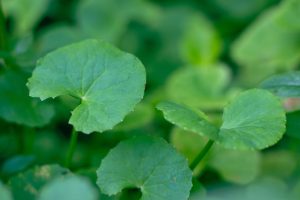
The research, conducted by scientists in the School of Natural Sciences in collaboration with University College London (UCL), focused on Madecassic acid, a natural chemical derived from the Asian herb Centella asiatica. While skincare enthusiasts have long celebrated this ingredient for its skin-soothing benefits, the Kent team has revealed its far greater potential as an antimicrobial agent.
A Natural Solution to a Growing Global Crisis
The timing of this discovery couldn’t be more critical. Antibiotic resistance represents one of the most serious threats to global health, with projections suggesting that bacterial antimicrobial resistance could cause 39 million deaths between 2025 and 2050. Traditional antibiotic development is both costly and time-consuming, making natural alternatives increasingly valuable.
Using sophisticated computational screening combined with laboratory experiments, the research team demonstrated that Madecassic acid can effectively inhibit the growth of antibiotic-resistant E. coli bacteria. The molecule achieves this by binding strongly to the cytochrome bd complex, a respiratory protein complex essential for the survival of many pathogenic bacteria during infection.
How Madecassic Acid Works Against Bacteria
The cytochrome bd complex represents an ideal target for antimicrobial development because it exists in bacteria but not in humans or animals. When Madecassic acid binds to this complex, it prevents it from functioning normally, effectively shutting down the bacteria’s ability to survive and multiply.
Dr. Mark Shepherd, Reader in Microbial Biochemistry at Kent and lead author of the study, explained the significance: “Plants have been a source of natural medicines for millennia, and now contemporary research approaches can reveal the mechanisms of action. This is an exciting time, and we hope to further our understanding of natural antimicrobials from plants, nature’s great chemical factories.”
Beyond Basic Research: Modified Variants Show Promise
The research team didn’t stop at identifying the basic antibacterial properties of Madecassic acid. They isolated the compound from plant extracts in Vietnam and created three different modified variants. All variants effectively inhibited cytochrome bd and suppressed bacterial growth, with one variant demonstrating the ability to kill E. coli at higher concentrations.
This ability to modify the chemical structure represents a significant advantage in drug development. The researchers can now work to optimize these variants, potentially creating more effective antibacterial drugs while building on the natural foundation provided by Madecassic acid.
Implications for Skincare and Beyond
The discovery has fascinating implications for the skincare industry. Madecassic acid is already a “hero ingredient” in many Korean skincare products, prized for its anti-inflammatory and skin-soothing properties. The research suggests that this ingredient may also influence bacterial skin flora, potentially offering benefits beyond simple cosmetic improvements.
This dual functionality – cosmetic benefits combined with antimicrobial properties – could revolutionize how we think about skincare ingredients. Products containing Madecassic acid might not only improve skin appearance but also help maintain healthy skin microbiome balance and provide protection against harmful bacteria.
The Future of Natural Antimicrobial Research
The University of Kent’s research represents a broader shift in how scientists approach antibiotic development. Rather than relying solely on synthetic compounds, researchers are increasingly turning to nature’s chemical factories – plants that have evolved complex defensive mechanisms over millions of years.
This approach combines traditional knowledge about medicinal plants with cutting-edge analytical techniques. Computational screening allows researchers to identify promising compounds quickly, while laboratory experiments validate their effectiveness and reveal their mechanisms of action.
The success with Madecassic acid suggests that many other plant-derived compounds may hold similar potential. As antibiotic resistance continues to grow, this research methodology could prove invaluable in identifying new treatments from unexpected sources.
Practical Applications and Next Steps
The research team’s findings, published in RSC Medicinal Chemistry, provide a foundation for future drug development. The next steps will involve further optimization of Madecassic acid variants to enhance their antibacterial properties while maintaining safety for human use.
For the skincare industry, this research validates the inclusion of Madecassic acid in products and may encourage further investigation into the antimicrobial properties of other botanical ingredients. Consumers might soon see products marketed not just for their cosmetic benefits but also for their potential to support skin health through antimicrobial action.
The University of Kent’s discovery demonstrates how interdisciplinary research can yield unexpected benefits. What began as an investigation into a popular skincare ingredient has revealed a potential weapon in the fight against one of humanity’s most pressing health challenges. As research continues, Madecassic acid may well transition from “hero ingredient” status in beauty products to becoming a genuine hero in medical applications.
Learn more about this groundbreaking research and explore related studies at the University of Kent’s School of Natural Sciences.
Discover how natural compounds are revolutionizing modern medicine and skincare science.