
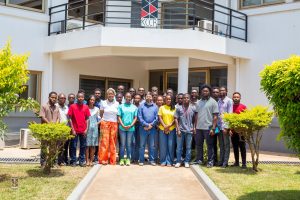
The University of Kent is at the forefront of an international research collaboration aimed at understanding and improving health outcomes related to parasitic diseases. This initiative brings together experts from the UK and Ghana to investigate the impact of parasites like Cryptosporidium and Blastocystis on public health, particularly in developing regions where sanitation challenges exacerbate disease transmission.
Understanding the Global Impact of Parasitic Diseases
Parasitic diseases remain a significant global health challenge, particularly in areas with limited access to clean water and adequate sanitation. Cryptosporidium and Blastocystis are two parasites that can infect both humans and livestock, leading to prolonged gastrointestinal issues such as diarrhea, dehydration, and malnutrition. These conditions disproportionately affect children and vulnerable populations in developing countries, but they are also present worldwide.
The University of Kent’s research team, led by Dr. Anastasios Tsaousis, is working to uncover the complex transmission pathways of these parasites and their broader impact on community health. By adopting a One Health approach—which recognizes the interconnectedness of human, animal, and environmental health—the team aims to develop more effective strategies for disease prevention and control.
Strengthening International Research Partnerships
A recent research visit to the Kumasi Centre for Collaborative Research in Tropical Medicine (KCCR) in Ghana marked a significant step in deepening the partnership between the University of Kent and Ghanaian institutions. This collaboration focuses on a proposed joint study that will combine advanced parasitology research with practical public health interventions.
During the visit, the delegation engaged in high-level strategic discussions and hands-on technical activities. Key objectives included refining the study design, aligning sample collection and processing workflows, and identifying priority research areas. These efforts ensure that both institutions are working toward a shared scientific vision and that the research is grounded in real-world public health needs.
Community Engagement and Local Context
Recognizing the importance of community involvement, the research team conducted preliminary engagement activities in rural and peri-urban settings in Ghana. This approach helps to ensure that the study reflects the lived experiences of local populations and addresses their specific health concerns. By fostering stakeholder involvement, the collaboration aims to build trust and promote the sustainable implementation of research findings.
Advancing Scientific Understanding Through Integrated Surveillance
Dr. Tsaousis’ research at the University of Kent focuses on the evolution and biology of key microbial eukaryotes, including Cryptosporidium and Blastocystis. His work emphasizes the importance of integrated surveillance across humans, livestock, water, and soil to reveal hidden transmission networks for these parasites.
The research also highlights the value of combining genomics, microbiome, and metabolomics approaches to better understand parasite behavior and their impact on health. By leveraging these advanced scientific techniques, the team hopes to uncover new insights into how parasites spread and persist in different environments.
Building Capacity and Fostering Knowledge Exchange
A key component of the collaboration is capacity building and skills development. The partnership between the University of Kent and KCCR is designed to facilitate knowledge exchange, ensuring that researchers and public health professionals in both countries benefit from shared expertise and resources.
This commitment to capacity building not only strengthens the research itself but also empowers local communities to take an active role in addressing parasitic diseases. By investing in education and training, the collaboration aims to create a lasting impact that extends beyond the immediate research outcomes.
The Path Forward: Translating Research into Public Health Impact
The ultimate goal of this international collaboration is to translate advanced parasitology research into meaningful public health outcomes. By combining cutting-edge science with community engagement and capacity building, the University of Kent and its partners are working to develop innovative solutions to combat parasitic diseases.
As the research progresses, the team remains committed to fostering impactful global partnerships that drive innovation and improve health outcomes across communities. This initiative serves as a powerful example of how international collaboration can address complex global health challenges and create a healthier future for all.
Explore More About This Research
To learn more about the University of Kent’s research on parasitic diseases and their international collaborations, visit the University of Kent Research page. Discover how you can get involved or support this vital work by contacting the University of Kent directly.