Neurodivergent young people across the United Kingdom now have access to a new suite of free, interactive creative resources developed through pioneering research at the University of Kent. These resources represent a significant advancement in supporting the mental health, wellbeing, and creative expression of autistic young people and other neurodivergent individuals.
The Playing A/Part Research Initiative
The free resources are based on Playing A/Part, an Arts and Humanities Research Council-funded project that combines arts and psychology to explore the identities and experiences of autistic girls and young people. Researchers at the University of Kent, working in collaboration with the University of Surrey, developed this innovative research program to address a critical gap in understanding neurodivergent experiences.
The research contributes to a growing body of work recognising the distinct experiences of autistic girls, women, and marginalised genders, who have historically been under-recognised and remain comparatively underserved by traditional support mechanisms. This project marks a significant step forward in autism research by placing lived experience at the centre of knowledge production.
Why This Research Matters
Autistic boys are diagnosed far more quickly and frequently than autistic girls. However, research demonstrates that autistic girls often experience more subtle social differences, including masking or camouflaging behaviours and internalised distress. These characteristics are frequently missed by diagnostic tools developed using predominantly male samples.
This diagnostic disparity contributes to increased risks of anxiety, depression, and other mental health challenges among autistic girls and young women. The Playing A/Part project addresses these gaps by employing creative, participatory research methods that capture the nuanced experiences of neurodivergent young people in ways that conventional research approaches often cannot.
Participatory Research Approach
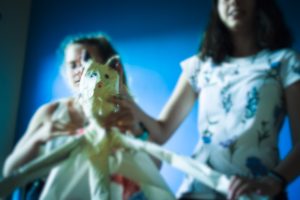
To better understand these experiences, researchers at Kent collaborated with autistic girls aged 11 through 16 via a programme of participatory creative workshops. Developed with a steering group of autistic women, the project used drama, music, movement, interactive media, and creative writing to explore their lived experience.
This methodology represents a shift toward more inclusive research practices. Rather than studying neurodivergent young people as subjects, the project engaged them as active participants and co-creators of knowledge. The findings demonstrated how creative, participatory environments can support confidence, agency, and wellbeing while also challenging stereotypes about autism.
As Professor Nicola Shaughnessy, Professor of Performance and Academic Co-Director of the Institute of Cultural and Creative Industries at the University of Kent, explains: “Autistic girls’ experiences are often more complex and less visible than stereotypes suggest. Our work highlights their creativity and agency, and through our partnership with Peer Productions we’ve developed peer education resources that are engaging, accessible, and grounded in young people’s real experiences.”
Insights from Collaborative Research
Dr Emma Williams, Psychology Lead at the University of Surrey, added: “Creative, participatory approaches enabled young people to reflect on their identities in meaningful ways, through mediums they found beneficial and which provided new insights into the significance of sensory experience.”
The collaboration between the University of Kent and the University of Surrey exemplifies how interdisciplinary research can yield more comprehensive understanding of neurodivergent experiences. By combining expertise in performance arts and psychology, the researchers developed methods that respected the unique ways neurodivergent young people process and express their experiences.
From Research to Resources
Building on this work, the research team secured follow-on funding to work with youth arts charity Peer Productions to co-create a series of peer education resources with and for young people. These interactive resources are designed to be flexible and accessible, supporting use in schools, at home, or independently.
The resources extend the reach of the research to a wider neurodivergent community. The rising number of home-educated neurodivergent young people are expected to benefit significantly from these materials, as they provide structured creative activities that can be engaged with independently or with family support.
Peer Productions’ Artistic Director, Nina Lemon, said: “Having worked as a creative practitioner on the live delivery of Playing A/Part, it was a pleasure to have the opportunity to adapt and disseminate the findings of this research in digital form, while also offering a fantastic opportunity for young artists in our team to lead peer-led practice.”
Accessibility and Implementation
The resources are now freely available on the Peer Productions website, offering accessible support for young people, educators, and families. The materials have been designed with accessibility in mind, recognising that neurodivergent individuals may have diverse preferences for how they engage with educational content.
Schools can incorporate these resources into their PSHE curriculum, art programmes, or SEND support provisions. Families can use them for home education or as supplementary activities. The flexibility of the resources means they can be adapted to suit individual needs and preferences, making them a valuable tool for supporting neurodivergent young people across various settings.
Impact on Autism Research and Support
Altogether, the project represents a shift toward more inclusive, creative, and participatory approaches in autism research. By placing lived experience, creativity, and collaboration at the centre of knowledge production, the University of Kent research demonstrates how academic institutions can meaningfully engage with neurodivergent communities.
This approach moves beyond traditional deficit-based models of understanding autism, instead focusing on the strengths, creativity, and agency of neurodivergent young people. The research highlights how creative expression can be a powerful tool for identity development, self-understanding, and wellbeing.
The project also serves as a model for how universities can translate research findings into practical resources that benefit communities beyond academic publications. By partnering with organisations like Peer Productions, the research reaches young people who might otherwise not access academic findings.
How to Access These Resources
The free creative resources are available through the Peer Productions website. Educators, parents, and young people can access these materials to support creative engagement and wellbeing. The resources are designed to be used flexibly, whether in formal educational settings, at home, or for independent creative exploration.
For those interested in learning more about the research behind these resources, the Playing A/Part website provides additional information about the project’s methodology, findings, and ongoing work in the field of neurodivergent creative engagement.
Parents and educators looking to support neurodivergent young people should explore these free resources as a way to encourage creative expression and identity exploration. The materials offer evidence-based approaches developed directly with autistic young people, ensuring they are relevant and beneficial.
Schools interested in implementing these resources as part of their SEND provision or creative arts programmes can use them to supplement existing support structures. The flexible design allows for adaptation to individual needs and preferences.
Researchers in the field of neurodiversity and autism can examine the Playing A/Part methodology as a model for participatory research practices that centre lived experience. The project demonstrates how creative approaches can yield insights that traditional research methods might miss.
The University of Kent continues to advance understanding of neurodivergent experiences through its research programmes. Those interested in the university’s broader work in this area can explore additional resources on neurodiversity awareness and support.