
About the New Publication
The University of Huddersfield’s senior lecturer in criminology, Dr. Andrea Varsori, has released the latest volume in the academic study of urban violence: An Evolutionary History of the Gangs and Factions of Rio de Janeiro (Palgrave Macmillan). The book takes a comprehensive look at the historical roots of Rio’s most well‑known gangs, the way they have expanded beyond Brazil’s prisons into the city’s favelas, and why they remain powerful actors despite decades of intervention by law‑enforcement agencies.
Dr Varsori shares that the research draws on archival material, interviews, and a statistical analysis of crime trends in Rio from the 1970s to the present. The results are compelling evidence that the political climate of the 1970s – in particular, the transfer of political dissidents and criminals into Brazil’s most brutal jails – created the conditions for gang consolidation that would later spill into the streets.
How Political Repression Set the Stage for Gang Emergence
The 1970s in Brazil were marked by a right‑wing dictatorship that sought to suppress political opposition. Those elections used by lawmakers to also clear the decks for criminals, resulting in overcrowded prisons and a forced mingling of political radicals and street‑level offenders. According to Dr Varsori, when these groups were merged under one roof, they found common cause in protection, supply chains, and ideological alignment. Once released, many of them carried the same unity into the impoverished neighbourhoods of Rio, forming compact, hierarchical structures which smoothed the transition from overt criminality to organized illicit entrepreneurship.
The Early Days: Cannabis, Robbery, and Community Protection
Initially, many of the new gang formations focused on selling cannabis and robbing local businesses. The authors of the book note these communities were already threatened by poverty, unemployment and a lack of policing resources. A small but determined network gave industrial‑level peer protection and a sense of belonging to residents, thereby creating a socially embedded network that was far more resilient than purely economic ventures.
Shift to Cocaine and Drug Trafficking
With the surge of cocaine production in the 1980s, the gangs found an entirely new revenue stream. Dr Varsori assessed that this shift brought a dramatic increase in the availability of funds, allowing gangs to expand their reach, invest in weapons, and establish political leverage. The mafia‑style structure, with a boss, deputies, and “managers” for specific territories, provided a hierarchy that made internal succession easier and protected against leadership loss. Despite repeated arrests and killings of members, this vertical structure has proven highly adaptable.
Current Landscape of Gang Warfare in Rio
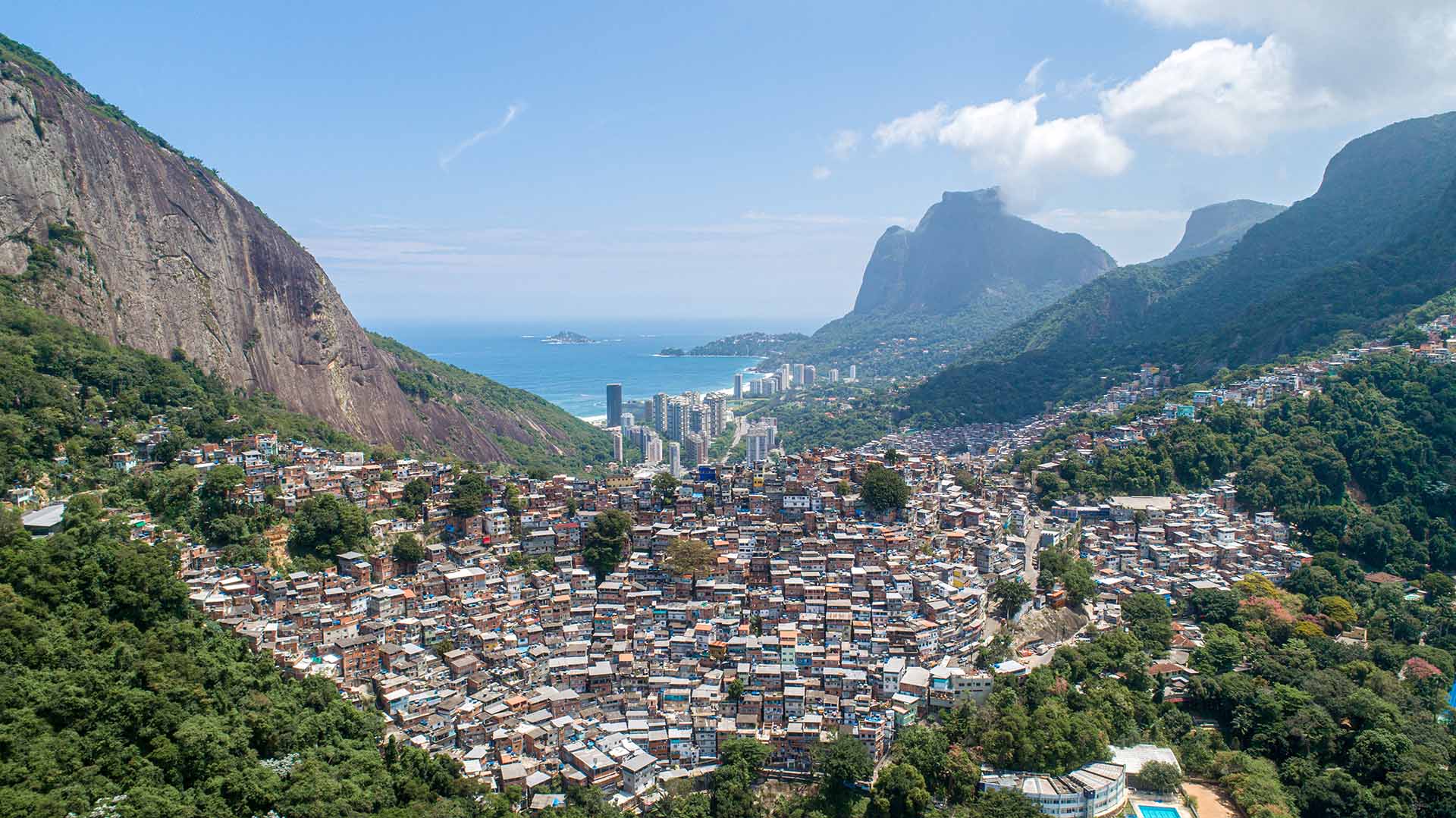
Rio today continues to be a destination for tourists, but the city’s reputation is painted with the stark reality of gang violence: indomitable criminal frameworks that re‑Urban violence literature have referenced at a global scale. High‑profile incidents, such as the October 2025 police raid that left 121 lives lost, have rekindled discussions on policy reforms and emergency response protocols.
Repeated Police Efforts and Their Limited Success
Law‑enforcement agencies in Brazil have, over the past four decades, increased force, executed targeted busts, and executed operations that often lead to high casualties. The book demonstrates that these efforts, while significant, have been reactive rather than proactive, addressing symptoms rather than roots. In practice, because the gangs rely on local support networks and local state workplaces, removal of violent personnel does not destabilize the entire organization.
The Role of Corruption and Community Impact
Another significant factor, according to Dr Varsori’s research, is the level of corruption within the police ranks. Internal corruption may allow gangs to manipulate investigations, secure bribes, or receive insider information. This undermines community trust and incentivizes gangs to maintain a presence through both violent and non‑violent means. The book illustrates how a single breach of conduct can ripple through an entire organization, making it difficult for external agencies to gain lasting traction.
Practical Lessons for Criminology Scholars and Policy Makers
Key take‑away lessons from the research include:
- Community-Based Interventions Matter. Programs that focus on job training, education, and economic development within favelas are more likely to detach community members from the benefits of gang involvement.
- Transparent Police Practices. Full dismantlement of internal corruption through strict oversight may reduce the power base of gangs.
- Data-Driven Policing. Leveraging technology such as drones, data mapping and predictive analytics can pinpoint transnational drug routes and identify high‑risk zones.
- Cross‑Agency Coordination. Consistent coordination among local, state and federal agencies—including international cooperation for drug trafficking—strengthens a comprehensive approach to curtailing gang expansion.
The findings contain useful material for researchers who want to analyze the cyclical nature of youth radicalization and the cross‑criminal recruitment pipeline.
How the University of Huddersfield Supports Ongoing Research
Dr Varsori is also the Co‑Coordinator of the Urban Violence Research Network, which focuses on a global perspective of violent crime. The University actively hosts workshops, publishes peer‑reviewed journals, and promotes interdisciplinary projects that involve partnerships with law‑enforcement agencies, NGOs, and international bodies.
Students wishing to explore this niche field can consider enrolling in the University of Huddersfield’s Master’s in Criminology (UK). The program features modules on International Crime, Police Appellations, and Urban Violence, as well as a thesis component that encourages fieldwork in settings like Rio de Janeiro.
Getting Involved or Learning More
Researchers, policy makers, policy‑makers, and community advocates may want to delve into the book for a deeper understanding of gang resilience. It offers actionable insights that could be implemented at a municipal level or incorporated into academic curricula.
If you are interested in the full text, the book can be accessed via popular e‑book retailers or the publisher’s website. Further reading and downloadable research summaries are available through our university’s research portal.
Additional Actions You Can Take
- Download the research summary from the University of Huddersfield’s criminology department.
- Apply to the Master’s in Criminology program today to gain an in‑depth understanding of urban violence and develop policy‑driven solutions.
- Contact our international outreach office for collaboration opportunities on global crime studies.
- Share your experiences or ask questions in the comments section of the publication’s online dossier to stimulate further discussion.
- Explore our related articles on urban violence to broaden your knowledge base.