
Review the University of Surrey Veterinary Neurology MBE and Its Role in Animal Welfare UK
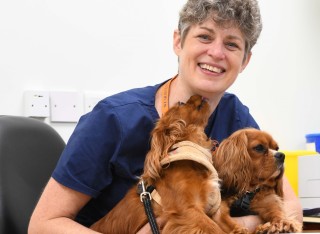
Understanding the Significance of a UK Veterinary MBE for Animal Welfare
The recent Surrey news announcing that Professor Clare Rusbridge has been appointed as a Member of the Order of the British Empire (MBE) brings critical attention to the evolving landscape of animal welfare UK standards. Receiving a UK veterinary MBE is not merely a ceremonial acknowledgment; it is a profound statement about the value society places on the health and well-being of companion animals. For veterinary professionals, pet owners, and prospective students alike, this honour highlights the importance of specialized veterinary medicine and the relentless effort required to advance neurological health in animals.
Professor Rusbridge, who serves as a veterinary neurologist at the University of Surrey School of Veterinary Medicine and as a senior neurologist at Wear Referrals in County Durham, has spent decades pushing the boundaries of her field. Her recognition in the King’s Birthday Honours list underscores the critical intersection of academic research, clinical practice, and public advocacy in modern veterinary science. By examining her career, current and future veterinary professionals can better understand what it takes to effect real change in animal welfare UK initiatives.
Share your experiences in the comments below if you have navigated specialized neurological care for a companion animal.
Advancing Neurological Health News: The Fight Against Chiari-like Malformation and Syringomyelia
At the core of Professor Rusbridge’s distinguished career is her pioneering work in neurological health news, specifically concerning complex and painful conditions in companion animals. Chiari-like malformation (CM) and syringomyelia (SM) are devastating neurological disorders that primarily affect certain toy dog breeds, most notably the Cavalier King Charles Spaniel. CM occurs when the skull is too small or malformed, causing the brain to be forced out of the skull and into the spinal cord. This obstruction disrupts the flow of cerebrospinal fluid, leading to SM, a condition where fluid-filled cavities (syrinxes) develop within the spinal cord, causing severe, chronic neuropathic pain.
Historically, these conditions were poorly understood and frequently misdiagnosed as general behavioral issues or standard back pain. Through extensive clinical research, Professor Rusbridge has drastically improved the veterinary community’s ability to diagnose and manage these disorders. Her work has provided general practitioners and specialists alike with the diagnostic protocols and treatment pathways necessary to alleviate suffering in affected animals. This contribution to veterinary news cannot be overstated, as it has directly translated into improved quality of life for thousands of dogs.
Schedule a free consultation to learn more about how specialized veterinary training can advance your clinical career.
The Clinical Impact of Targeted Research
The transition from theoretical research to practical, clinical application is one of the most challenging aspects of veterinary medicine. Professor Rusbridge’s career exemplifies how targeted research bridges this gap. By authoring more than 160 scientific papers and book chapters, she has created a robust, evidence-based framework that veterinarians rely on globally. These publications serve as foundational texts for understanding not just CM and SM, but a wide array of diseases causing neuropathic pain in animals.
For veterinary students and recent graduates, her body of work demonstrates the necessity of evidence-based medicine. When practitioners rely on rigorous scientific literature rather than anecdotal evidence, the standard of care across the entire industry improves. This is a cornerstone of effective animal welfare UK practices, ensuring that animals receive treatments that are proven to be safe and effective.
Bridging the Educational Gap in Veterinary Neurology
One of the most significant barriers to advancing neurological health news is the accessibility of specialized knowledge. Veterinary neurology is a highly complex field, and general practitioners often lack the resources or time to stay updated on the latest diagnostic techniques and surgical interventions. Recognizing this challenge, Professor Rusbridge has dedicated a substantial portion of her career to widening access to veterinary neurological education.
She has actively worked to decentralize specialist knowledge by developing freely available educational resources. This includes comprehensive owner information materials, dedicated websites, and an educational YouTube channel. These platforms provide critical support for a diverse audience, including general practice veterinarians, specialist veterinarians, veterinary students, and, crucially, pet owners. When pet owners are empowered with accurate, accessible information, they are better equipped to recognize early signs of neurological distress, seek timely veterinary intervention, and comply with long-term management plans.
This commitment to open education aligns perfectly with the United Nations Sustainable Development Goal for Quality Education, demonstrating how academic professionals can extend their impact far beyond the physical boundaries of their universities. It sets a standard for how Surrey news and academic achievements can ripple outward to benefit the broader public.
Advocacy, Charitable Work, and Systemic Change in Animal Welfare
While clinical and academic contributions form the foundation of Professor Rusbridge’s career, her extensive advocacy and charitable work highlight a holistic approach to animal welfare UK. Medical treatment alone is insufficient to eradicate inherited neurological conditions; systemic changes in how animals are bred and cared for are equally necessary.
Professor Rusbridge serves as the Patron of Cavalier Matters, a charity dedicated to supporting dogs affected by CM and SM, providing a lifeline for owners dealing with the emotional and financial burdens of chronic pet illness. She is also the Patron of Cure4DM, which focuses on degenerative myelopathy, another severe neurological condition. Furthermore, her role as a Trustee of the Dog Breeding Reform Group places her directly at the forefront of legislative and cultural changes regarding how dogs are bred. This group campaigns tirelessly for evidence-based breeding reforms, advocating for health testing and responsible breeding practices to reduce the prevalence of inherited diseases.
Beyond breed-specific advocacy, Professor Rusbridge also acts as a specialist advisor to StreetVet, an innovative charity that provides free veterinary care to the pets of people experiencing homelessness. This role highlights a deep understanding that animal welfare UK is inextricably linked to human welfare. By supporting StreetVet, she helps ensure that vulnerable human populations do not have to sacrifice the health of their animal companions due to their personal circumstances.
What This Surrey News Means for Future Veterinary Professionals
For prospective students evaluating where to study veterinary medicine, this recent Surrey news serves as a powerful indicator of the caliber of faculty at the University of Surrey. Studying under professors who are actively shaping national and international veterinary news provides students with a unique, immersive educational experience. It exposes them to real-world case studies, cutting-edge research methodologies, and a professional ethos that values both scientific rigor and compassionate care.
The University of Surrey’s School of Veterinary Medicine has rapidly established itself as a hub for innovative teaching and research. The presence of faculty members like Professor Rusbridge means that students are not just learning textbook medicine; they are learning from individuals who are writing the textbooks and setting the clinical guidelines. This environment fosters a proactive mindset, encouraging students to view themselves as future leaders and advocates in the veterinary field, rather than mere practitioners.
Submit your application today to join a leading institution dedicated to advancing veterinary excellence and animal welfare.
Building a Career in Specialized Veterinary Medicine
Aspiring veterinarians often view specialization as a distant, unattainable goal. However, Professor Rusbridge’s career trajectory provides a clear blueprint for success in specialized fields like neurology. It requires a dedication to lifelong learning, a willingness to engage in rigorous research, and a commitment to sharing that knowledge with others. Specialization is not just about mastering surgical techniques; it is about becoming an educator, an advocate, and a pioneer in a specific niche of animal health.
Students who are passionate about neurology, imaging, or surgery should view this UK veterinary MBE as proof that specialized veterinary careers can have profound, measurable impacts on animal populations. It validates the hard work required to pursue board certification and emphasizes that specialists have a responsibility to contribute to the broader veterinary community.
The Future of Companion Animal Neurological Care
The recognition of Professor Clare Rusbridge with an MBE marks a significant moment in neurological health news. It validates the importance of specialized veterinary medicine and brings much-needed public awareness to conditions like Chiari-like malformation and syringomyelia. As the veterinary profession continues to evolve, the integration of advanced diagnostics, evidence-based breeding reforms, and accessible owner education will be paramount.
The work being done at the University of Surrey and by professionals like Professor Rusbridge sets a benchmark for the future. It challenges the veterinary community to continually question standard practices, advocate for vulnerable animals, and push the boundaries of medical science. For pet owners, it offers hope that compassionate, highly specialized care is becoming more accessible. For veterinary professionals and students, it serves as a call to action to pursue excellence, engage in advocacy, and prioritize the welfare of every animal that comes under their care.
Have questions? Write to us! We welcome inquiries about educational pathways in veterinary medicine and specialized animal care.
Explore our related articles for further reading on the latest developments in companion animal health and veterinary science.