
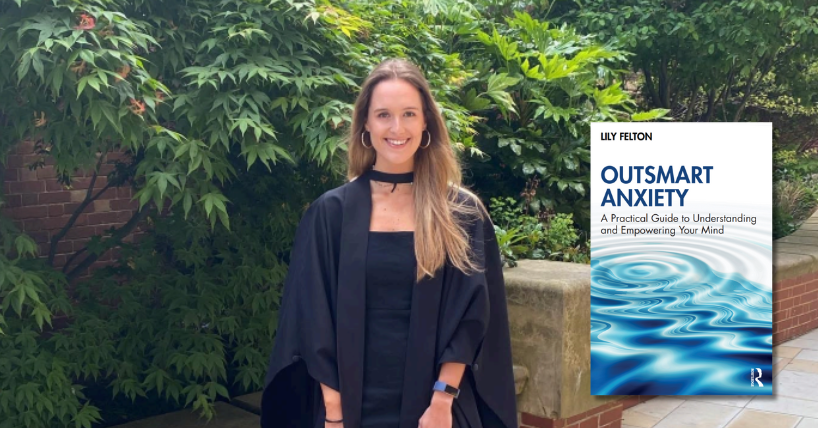
Newcastle University’s recent World Mental Health Day feature spotlights alumna Lily Felton’s upcoming book, Outsmart Anxiety: A Practical Guide to Understanding and Empowering Your Mind. Her experience—graduating during the COVID‑19 lockdown and supporting friends through mental‑health challenges—provides a roadmap for young people seeking clear, evidence‑based strategies to manage anxiety.
Why Mental‑Health Literacy Matters in the Modern Age
The pandemic amplified existing stressors: loss of face‑to‑face learning, limited social interaction, and a sudden shift to digital platforms. These changes proved a catalyst for many to confront anxiety more openly. Yet the abundance of academic literature can feel intimidating, particularly for those who need a practical starting point. Improving mental‑health literacy—understanding the signs and mechanisms of anxiety—equips individuals to recognise symptoms early and take proactive action.
The Science Behind Anxiety: A Quick Primer
At its core, anxiety is the brain’s alarm system. When it perceives a potential threat, the amygdala sends a signal that triggers physiological responses—heightened heart rate, rapid breathing, and a surge of adrenaline. While adaptive in short bursts, chronic activation can disrupt sleep, concentration, and overall well‑being. By framing anxiety as a biological response rather than a moral failing, individuals are less likely to shame themselves and more willing to seek help.
Lily Felton: From Personal Experience to Authorial Insight
Lily’s journey began as a psychology student in Newcastle, where a blend of theory and hands‑on research sparked her curiosity. The early years of the pandemic forced her to navigate a virtual learning environment, prompting the direct observation of isolation’s impact on peers. When her cousin reached out for help, Lily recognised a gap: many resources were clinical and inaccessible to young adults. She wrote her own manual—drafted from personal anecdotes, TED‑style explanations, and evidence‑based techniques—to fill that void.
Key Themes in “Outsmart Anxiety”
- Demystifying the Mind – Simple analogies explain complex neurobiology.
- Actionable Tactics – Step‑by‑step plans for coping with everyday stressors.
- Self‑Empowerment – Tools that foster autonomy and resilience.
- Inclusive Voice – A tone that resonates with teenagers, students, parents, and educators.
Practical Strategies Every Student Should Apply
Below are three evidence‑based tactics that Lily recommends—ready for immediate implementation.
1. Reframe the Narrative Around Anxiety
- Identify the thought patterns that amplify worry (e.g., catastrophising).
- Apply the ABCDE model: Adversity, Belief, Consequence, Disputation, Energisation.
- Write down any irrational beliefs and systematically challenge them.
2. Break Tasks Into Small, SMART Steps
Taking on a daunting project can trigger a feedback loop of anxiety. Using the SMART framework (Specific, Measurable, Achievable, Relevant, Time‑bound) turns large assignments into bite‑sized actions. Even a 10‑minute “brain dump” can reduce mental clutter and improve focus.
3. Build a Support Circuit
Isolation fosters rumination. Create a triad of support—someone to talk to, a resource to consult, and a routine to maintain. Friends, family, or professional therapists provide perspective, while a written log or digital app tracks progress.
Building Resilience Through Routine
Consistency signals safety. Establishing a daily rhythm—balanced meals, sleep hygiene, scheduled study sessions—reduces uncertainty and creates a buffer against stress. Data from the Newcastle Mental Health Survey suggests that students who maintain regular sleep patterns report 30 % less anxiety symptoms.
When to Seek Professional Help
While self‑help strategies are invaluable, some cases require clinical guidance. If anxiety persists, interferes with daily functioning, or includes intrusive thoughts, contact a healthcare professional. Newcastle University offers confidential counseling services to all students and alumni, and online resources are available through the university’s psychological wellbeing portal.
Action Steps for Students and Alumni
Every reader can take immediate action:
- Start an anxiety log: note triggers, thoughts, and coping tactics.
- Set a weekly goal to practice one new strategy from Outsmart Anxiety.
- Reach out to the campus counseling service if help is needed.
- Join a peer‑support group—many are available through the alumni network.
- Share your experience in the comments:
Share your thoughts in the comments below.
Resources and Further Reading
For deeper insights, consider the following:
- Mindfulness for Beginners by Jon Kabat‑Zinn – A practical guide to presence.
- The Newcastle Student Health portal – Offers self‑assessment tools and referral pathways.
- National Institute for Health and Care Excellence (NICE) guidelines on anxiety disorders – Evidence‑based clinical management.
Get Started with Newcastle University Today
Whether you’re a current student, an aspiring graduate, or a professional looking to deepen your understanding of adolescent mental health, Newcastle University offers comprehensive programs—ranging from undergraduate psychology to postgraduate clinical studies. Explore the curriculum, speak to advisors, and apply now to join a community that values research, practice, and well‑being.
Apply for Newcastle University’s Psychology program now.
Conclusion
Managing anxiety is a skill that blends science, practice, and support. By applying the strategies outlined above, and by seeking professional guidance when necessary, young people can transform anxiety from a paralysis to a propelling force. Lily Felton’s upcoming book provides a hands‑on companion for this journey, and Newcastle University’s resources complement these insights with academic rigor and community support.
Ready to take the next step? Schedule a campus visit and explore the opportunities that await you at Newcastle University.
Ask questions about mental health support: Write to us!