
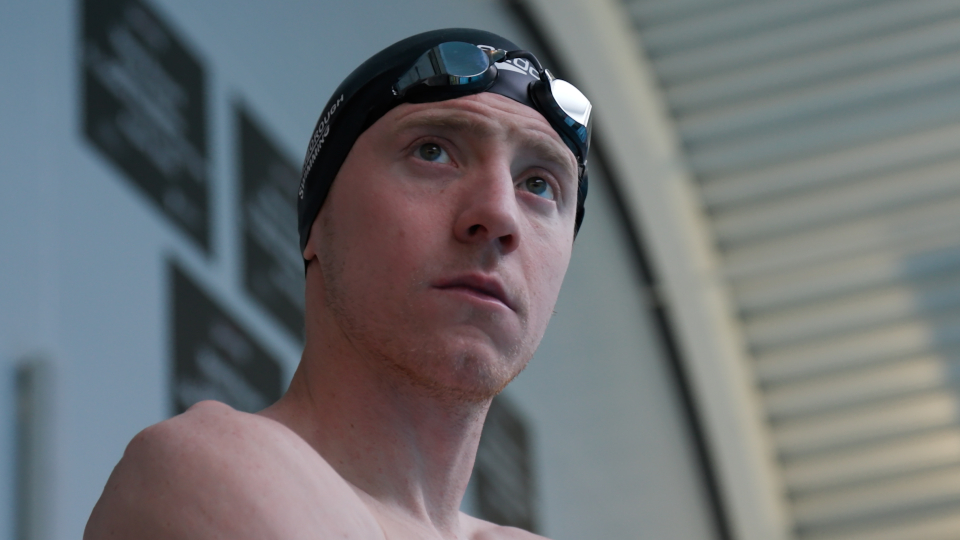
As the sporting world turns its attention to Scotland, the anticipation for the Commonwealth Games 2026 in Glasgow continues to build. For Team England swimmer Max Litchfield, the upcoming event represents more than just another international competition; it is an opportunity to resolve what he describes as “unfinished business.” With a distinguished career that already includes three Olympic Games, Litchfield is leveraging the elite athlete training environment at Loughborough University to refine his performance and pursue the medals that have previously eluded him on the Commonwealth stage.
For aspiring swimmers, sports enthusiasts, and professionals studying sports science, analyzing how a seasoned athlete prepares for a major championship provides valuable insights into the mechanics of high-performance sport. Litchfield’s approach highlights the critical intersection of physical conditioning, psychological readiness, and academic support that defines modern UK swimming.
Schedule a free consultation to learn more about our elite sports programs.
Understanding the Stakes of the Commonwealth Games 2026
The Commonwealth Games holds a unique position in the global sporting calendar. Unlike the Olympics or World Championships, the Commonwealth Games feature a distinct dynamic where home nations—England, Scotland, Wales, and Northern Ireland—compete against one another. This internal rivalry adds a layer of pressure and excitement that athletes do not experience at any other multi-sport event.
For Litchfield, the Commonwealth Games 2026 marks his second appearance at this specific event. His first came in 2014, an experience he openly admits did not go according to plan. Returning to the same host city a dozen years later provides a rare opportunity for an athlete to rewrite their own history. The arena in Glasgow is renowned for its intimate and incredibly loud atmosphere, driven by passionate Scottish fans. Competing in this environment requires exceptional mental fortitude, a trait that Litchfield has spent years developing through rigorous athlete training regimens.
The Psychological Edge of “Unfinished Business”
In elite sport, the concept of unfinished business can be a double-edged sword. If not managed correctly, it can lead to immense pressure and performance anxiety. However, when channeled effectively, it serves as a powerful intrinsic motivator. Litchfield’s current mindset demonstrates maturity. Rather than focusing solely on rectifying past mistakes, he emphasizes enjoying the experience and swimming fast. This shift from a deficit-focused mindset to a performance-focused mindset is a critical lesson for any athlete striving to reach the top tier of UK swimming.
The Role of Loughborough University in Elite UK Swimming
When discussing the success of British athletes, it is impossible to ignore the institutional backing that facilitates their development. Loughborough University has consistently established itself as the premier destination for high-performance sport in the United Kingdom. Ranked as the best university in the world for sports-related subjects in the 2026 QS World University Rankings—a distinction it has held for ten consecutive years—the institution provides an ecosystem designed to maximize athletic potential.
Litchfield relocated to the East Midlands eight years ago, a move he credits as a pivotal moment in his longevity. The transition from a purely athletic focus to an environment that integrates sport with academic and personal development has allowed him to extend his career well into his thirties. The high-performance swimming facilities, access to world-class coaches, and a cohort of elite training partners create a daily training environment that simulates the pressure of international competition.
Integrating Academics with High-Performance Athlete Training
One of the most significant trends in modern athlete training is the dual-career pathway. For the first six years of his time at Loughborough, Litchfield focused exclusively on swimming. However, two years ago, he made the strategic decision to enroll in a master’s degree program. Balancing postgraduate studies with the physical demands of elite UK swimming is no small feat, but it offers substantial benefits.
Engaging in academic work provides cognitive variety, which can prevent the psychological burnout that often accompanies monotonous, high-volume training blocks. Furthermore, it forces athletes to develop exceptional time-management skills. For Litchfield, pursuing a master’s degree ensures that he is preparing for life after competitive swimming, reducing the existential anxiety that sometimes plagues athletes as they age out of their sports. This holistic approach to athlete development is a cornerstone of the philosophy at Loughborough University.
Submit your application today to join a world-class sports program.
Leadership and Mentorship Within Team England
As a 31-year-old preparing for his fourth major multi-sport event cycle, Litchfield naturally assumes the role of a senior statesman within the Team England swimming squad. The transition from a promising rookie to an experienced veteran requires a fundamental shift in how an athlete views their contribution to the team.
Leadership in sport is rarely about delivering rousing speeches; it is predominantly about modeling professional behaviors. By demonstrating how to structure a training day, how to communicate effectively with coaches, and how to manage the emotional highs and lows of competition, veteran athletes accelerate the development of their younger teammates. Litchfield explicitly states his desire to pass on his experience to help younger swimmers build their own illustrious careers. This transfer of knowledge is vital for the sustained success of UK swimming on the global stage. When senior athletes invest in the development of juniors, they strengthen the overall infrastructure of the sport, creating a culture of excellence that outlasts any single individual’s career.
Analyzing the Longevity of a Professional Swimming Career
Swimming is traditionally viewed as a young person’s sport, with many athletes peaking in their late teens or early twenties. Litchfield’s continued presence at the top of the sport challenges this narrative. His ability to compete at the highest level at age 31 is a testament to the advancements in sports science, nutrition, and recovery protocols.
Coming from a sporting family—his father played professional football, and his brother Joe is also an elite swimmer—Litchfield possesses an innate understanding of what it takes to succeed. However, genetic predisposition alone does not account for a decade-long career at the pinnacle of UK swimming. The difference lies in the meticulous attention to detail facilitated by the support staff at Loughborough University. From physiotherapy and strength and conditioning to biomechanical analysis in the pool, every aspect of his athlete training is optimized to prevent injury and maximize efficiency.
As athletes age, their training must adapt. Recovery becomes as important as the training itself, and volume is often replaced with higher-intensity, more specific work. Litchfield’s recent race results indicate that this tailored approach is yielding positive results, suggesting he is arriving in Glasgow in peak physical condition.
Have questions about balancing elite sports and academics? Write to us!
Preparing for the Future Beyond the Pool
While the immediate focus for Litchfield is firmly fixed on the Commonwealth Games 2026, his current trajectory offers a blueprint for how athletes should approach the twilight of their competitive careers. Acknowledging that he would be proud of his achievements—even if he retired today—demonstrates a healthy perspective. Having competed at three Olympic Games is an accomplishment that very few athletes ever achieve.
However, the drive to continue competing stems from a desire to see how far he can push his limits. By integrating his master’s studies into his daily routine at Loughborough University, he is effectively building a bridge to his post-athletic career. This proactive strategy ensures that when he ultimately decides to step away from competitive UK swimming, he will do so with a robust academic qualification and a clear professional direction.
The Final Countdown to Glasgow
As the Commonwealth Games 2026 approach, the work is already done. The early morning sessions, the grueling dry-land workouts, and the meticulous nutritional planning have all been executed in the months and years leading up to the competition. For Max Litchfield, the trip to Glasgow is the culmination of a carefully orchestrated athlete training cycle, supported by the unrivaled infrastructure of Loughborough University.
Whether he achieves his goal of winning medals or simply posts personal best times, his journey provides a comprehensive case study in athletic longevity, the value of dual-career pathways, and the importance of institutional support in elite sport. As the crowds file into the Glasgow arena and the noise reaches a crescendo, Litchfield will dive into the pool carrying not just his own ambitions, but the collective expertise of the high-performance environment that has helped him defy the conventional limits of a swimming career.