
Investigating Antifungal Resistance: How the University of Sheffield Analyzes Candida albicans Immune Evasion
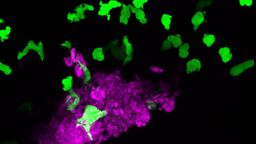
Fungal infections present a severe, often overlooked threat to global public health. Among the most pervasive of these pathogens is Candida albicans, a fungus that exists harmlessly in a large portion of the human population but can turn deadly when the immune system is compromised. Recent research conducted at the University of Sheffield in the UK has shed light on exactly how this pathogen operates, revealing a sophisticated mechanism that effectively blinds the immune system. By understanding this process, scientists are paving the way for innovative treatments that circumvent the growing crisis of antifungal resistance.
Explore our related articles for further reading on the latest advancements in infectious disease research and clinical microbiology.
Assessing the Global Threat of Fungal Infections and Candida albicans
To appreciate the significance of this discovery, one must first understand the scale of the Candida albicans problem. An estimated 40 to 60 percent of healthy individuals carry this fungus as a benign component of their normal microbial flora. It resides in the gastrointestinal tract, the mouth, and on the skin without causing any adverse effects. However, when a host’s immune defenses drop—due to factors such as chemotherapy, organ transplantation, HIV/AIDS, or prolonged stays in intensive care units—Candida albicans can seize the opportunity to invade.
Once it crosses into the bloodstream, it triggers a condition known as invasive candidiasis. This systemic infection is notoriously difficult to treat and carries a mortality rate that approaches 50 percent. The danger is compounded by the emergence of other fungal pathogens, most notably Candida auris. This relatively new species is highly concerning because it exhibits multidrug resistance, meaning it can survive standard antifungal treatments. The World Health Organization has officially designated both Candida albicans and Candida auris as critical priority fungal pathogens, underscoring the urgent need for new therapeutic strategies.
Analyzing How Candida albicans Disables the Immune System
Understanding the Role of Neutrophils
The human immune system relies on a complex network of cells to identify and destroy invading pathogens. Among the most crucial of these are neutrophils, which represent the most abundant type of white blood cell in the body. Neutrophils act as the front-line soldiers of the immune system. When a pathogen is detected, these cells rush to the site of infection and deploy a variety of lethal weapons to neutralize the threat.
One of the primary mechanisms neutrophils use to kill microbes is the production of reactive nitrogen species (RNS). These are highly toxic molecules that cause extensive cellular damage to bacteria and fungi, effectively destroying them from the inside out. Under normal circumstances, an infection triggers a surge in RNS production, creating a hostile environment that the pathogen cannot survive.
Targeting Reactive Nitrogen Species Suppression
Researchers at the University of Sheffield’s Bateson Centre for Disease Mechanisms have discovered that Candida albicans possesses a highly effective countermeasure. Rather than merely resisting the toxic effects of RNS, the fungus actively suppresses the neutrophils’ ability to produce these molecules in the first place. The research demonstrated that the presence of Candida albicans reduces RNS production to levels that are actually below the normal, baseline activity of the immune system.
This finding is significant because it proves the fungus does not just passively avoid the immune response; it actively dampens it. By effectively blinding the neutrophils, Candida albicans prevents the immune system from mounting an effective counterattack. Furthermore, the University of Sheffield team observed this exact same immune-suppressing mechanism in other clinically important fungal pathogens, including the highly drug-resistant Candida auris.
Have questions about how these immune evasion mechanisms work? Write to us to connect with our microbiology experts and expand your knowledge.
Addressing the Escalating Crisis of Antifungal Resistance
The discovery of this immune-blinding mechanism arrives at a critical juncture in modern medicine. For decades, the medical community has relied on a limited arsenal of antifungal drugs to combat systemic infections. However, the global rise of antifungal resistance threatens to render these life-saving medications obsolete. Fungi are remarkably adept at evolving resistance, often through genetic mutations or by acquiring resistance genes from other microorganisms in their environment.
The agricultural sector exacerbates this issue. The widespread use of agricultural fungicides, which share similar chemical structures to medical antifungals, creates a selective pressure that drives the development of resistant strains in the environment. These resistant strains can then make the leap to human hosts. As the pipeline for new antifungal drugs remains dry and no effective vaccines currently exist, the medical community is facing a looming public health emergency. The research from the UK highlights exactly why relying solely on drugs that target the fungus directly is becoming an unsustainable strategy.
Developing Host-Directed Therapies for Fungal Infections
Given the limitations of directly attacking resistant fungi, scientists are increasingly turning their attention to host-directed therapies. Instead of trying to kill the pathogen, this approach focuses on bolstering the patient’s own immune system to help it fight off the infection naturally. The University of Sheffield research provides a compelling proof-of-concept for this strategy.
Using a combination of zebrafish models and human immune cells, the research team demonstrated that when they artificially restored the suppressed RNS production, the immune system’s ability to fight the infection improved dramatically. More importantly, this immune restoration worked synergistically with existing antifungal drugs. When the immune system was reactivated and supported by conventional medication, survival rates in the animal models increased significantly.
This dual approach offers a highly promising avenue for future treatments. By targeting the host’s immune response rather than the fungus itself, host-directed therapies could potentially circumvent the issue of antifungal resistance entirely. Even if the fungus is resistant to a specific drug, a fortified immune system may still be capable of clearing the infection. The researchers noted that the more effectively a fungal strain suppressed neutrophil RNS, the more deadly the infection became, suggesting that immune suppression is a primary driver of fungal virulence rather than just a side effect.
Schedule a free consultation to learn more about academic and research programs focusing on immunology and infectious diseases.
Translating Zebrafish Research into Clinical Practice
A key component of this breakthrough was the use of zebrafish as an animal model. Zebrafish offer several unique advantages for studying infectious diseases. Their immune systems share a high degree of functional conservation with humans, particularly regarding the behavior of neutrophils. Additionally, zebrafish embryos are transparent, allowing researchers to visualize immune cell-pathogen interactions in real-time, within a living organism.
The ability to watch Candida albicans actively suppress neutrophil RNS in a living host provided insights that would be difficult to capture in traditional cell cultures. The fact that these findings were then validated using human immune cells bridges the gap between animal models and human clinical relevance. Future work from the University of Sheffield will focus on identifying the precise molecular pathways Candida albicans uses to disable neutrophils. Pinpointing these pathways is the necessary first step in developing drugs that can block the fungus’s interference.
Planning Next Steps in Combating Fungal Pathogens
The fight against fungal infections requires a multifaceted approach. While improving hygiene and infection control in healthcare settings remains vital, the development of new therapeutics is the only way to reduce the high mortality rates associated with invasive candidiasis. The insights provided by the University of Sheffield regarding Candida albicans and the immune system offer a concrete target for drug development.
If researchers can develop a drug that protects neutrophil RNS production from fungal suppression, it could be administered alongside existing antifungals. This would effectively tag-team the pathogen—stripping away its immune-evading defenses while simultaneously attacking it with antifungal medication. Such a strategy could revitalize the efficacy of older antifungal drugs that have lost their punch due to rising resistance.
Submit your application today to join the forefront of medical research and make a tangible impact on global public health.
Broadening the Impact of Immune System Research
While the immediate focus is on Candida albicans and Candida auris, the implications of this research extend far beyond a single species. The realization that fungal pathogens actively suppress specific elements of the immune system suggests that similar mechanisms may be at play in other infectious diseases. Understanding how pathogens interact with neutrophils and RNS could lead to breakthroughs in treating bacterial or parasitic infections that have also evolved sophisticated immune evasion tactics.
The work coming out of the UK serves as a reminder of the importance of basic scientific research. By asking fundamental questions about how a fungus interacts with a white blood cell, researchers have uncovered a vulnerability that could change the trajectory of antifungal therapy. As antifungal resistance continues to climb, shifting the focus from solely killing the pathogen to empowering the patient’s immune system may represent the next major paradigm shift in infectious disease treatment.
Share your experiences in the comments below regarding the challenges of treating resistant infections in clinical practice.