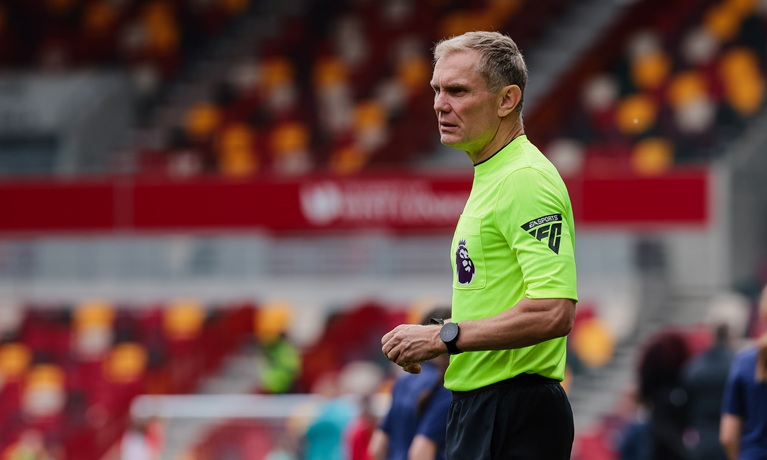
Graham Scott, the former Premier League referee who spent a decade in the English Football League and seven years on top‑flight duty, recently spoke to students and practitioners at Coventry University. His remarks focus on a critical shortfall in the current officiating ecosystem: the training that prepares officials to manage the fast‑paced, high‑stakes world of modern football.
Why the Current Training Model Falls Short
In 1997, when Scott began his refereeing career, the process involved a straightforward ‘teach‑and‑drop’ approach. You could read the rulebook, attend an introductory course and then receive a whistle to start officiating lower‑league matches. The emphasis was on rote knowledge of laws, with little emphasis on the psychological or managerial aspects of the role.
Today’s games are video‑captured in real time, live‑streamed across the globe, and dissected by fans, analysts and commentators on social media. An unnecessary foul or a mis‑judged off‑side can become a headline in minutes. Officials now need to handle on‑field disputes, media scrutiny and instant replay technology without compromising their decision‑making integrity.
Three Core Building Blocks Missing from Modern Referee Programs
- Game‑Management Skills – Understanding how to maintain tempo, manage player conduct and keep a match within acceptable safety parameters.
- Conflict Resolution Techniques – Tools to defuse tense moments, negotiate with captains and address dissenting actions calmly.
- Work‑Life Balance Planning – Strategies to juggle refereeing commitments with personal and professional responsibilities, especially for part‑time officials.
Scott’s own experience illustrates that if these competencies are missing, officials often lose motivation and withdraw after a few matches, leading to a talent drain across leagues.
Recruitment and Retention: The Twin Pillars of a Sustainable Officiating Workforce
A key theme in Scott’s address, echoed by Dr Tom Webb from Coventry University’s Research Centre for Resilient Business and Society, is that recruitment alone is insufficient. Without ongoing mentorship, debrief reviews and a sense of belonging, new referees struggle to transition into “practitioner” status.
Strategies for Engaging New Talent
- Start with grassroots clubs: Partner with community teams to expose young players to officiating early, building interest before they reach adolescence.
- Mentor‑pairing programs: Assign experienced officials as mentors who observe and provide feedback on real‑time performance.
- Flexible pathways: Offer part‑time certification tracks for coaches, teachers or full‑time workers who want to add officiating to their skill set.
Retention hinges on clear career progression. The Premier League’s refereeing hierarchy, for instance, requires the “verdict” marker to move from the game league to the top tier. Transparent benchmarks and reward systems can encourage referees to stay and climb the ladder.
Cross‑Sport Synergies: Lessons from Rugby, Cricket and Tennis
While football dominates the conversation, the challenges that Scott highlighted are shared with other sports. Whether officiating a rugby union match, a tennis tie‑break or a cricket Tribunal, referees and umpires face instant‑review pressures, technical decisions and the need to respect player dignity.
Scouting forums that bring together officials across disciplines can foster knowledge sharing: best practices for handling dissent, workload management, and the adoption of sports‑analytics tools. This multidisciplinary approach can elevate the overall standard of officiating within the UK.
Impact of Technology: VAR, Social Media and Broadcast Analysis
Video Assistant Referee (VAR) technology, while a game‑changer for fair play, adds a layer of complexity to an official’s decision‑making chain. Referees must be able to explain their calls to the VAR team and to the public in a concise, confident manner. Moreover, social media amplifies every decision, demanding that officials communicate reasoned arguments with clarity.
Coventry University’s Sports Management curriculum has responded by integrating modules on digital communication and media training. Graduates are equipped to handle the modern scrutiny that accompanies every match.
Action Plan for Universities, Clubs and Governing Bodies
The discussion points offered a framework for stakeholders to collaborate and improve officiating standards across the UK:
- Enhance Curriculum – Embed game‑management, conflict resolution and media skills into certification programmes.
- Launch Mentorship Initiatives – Pair volunteers with seasoned officials to provide on‑field coaching and moral support.
- Implement Data‑Driven Feedback – Use video replay analytics to give officials objective performance metrics.
- Promote Diversity – Introduce recruitment drives targeting under‑represented groups to reflect community demographics.
- Provide Ongoing Professional Development – Offer short courses on emerging technologies and best practices to keep referees up to date.
These steps will help maintain a robust pipeline of officials capable of enhancing match‑day experience through integrity and precision.
Next Steps for Aspiring Referees and Sports Managers
Individuals interested in pursuing a career in officiating or supporting the governance of sport should consider the following actionable steps:
- Register for a local referee certification programme and attend information sessions at Coventry University.
- Engage with community clubs to gain early on‑field experience under the supervision of a mentor.
- Follow professional networks like the FA Referee Academy or the Rugby Football Union for updates on training modules.
- Seek out scholarships or part‑time study options that allow practical officiating duties to complement academic study.
- Leverage Coventry University’s partnership with the Sports Management Department to access exclusive workshops on media literacy, VAR operations, and sports psychology.
By taking these steps, participants can build a career foundation that aligns with the evolving demands of the sport.
Conclusion
Graham Scott’s insights underscore that the health of football and other sports in the UK hinges not only on the talent of athletes but also on the quality of the officials who govern the game. Addressing training gaps, fostering mentorship, and embracing technology will ensure that referees at all levels are prepared for the scrutiny of live broadcasts, instant analytics and the global fan base. Coventry University stands ready to equip the next generation of sports professionals with the knowledge, tools and support required to address these challenges effectively.
To explore how Coventry University’s Sports Management programmes can help you or your organization build a sustainable officiating workforce, submit your application today or schedule a free consultation. For further updates on officiating education and career opportunities, write to us or join our newsletter.