
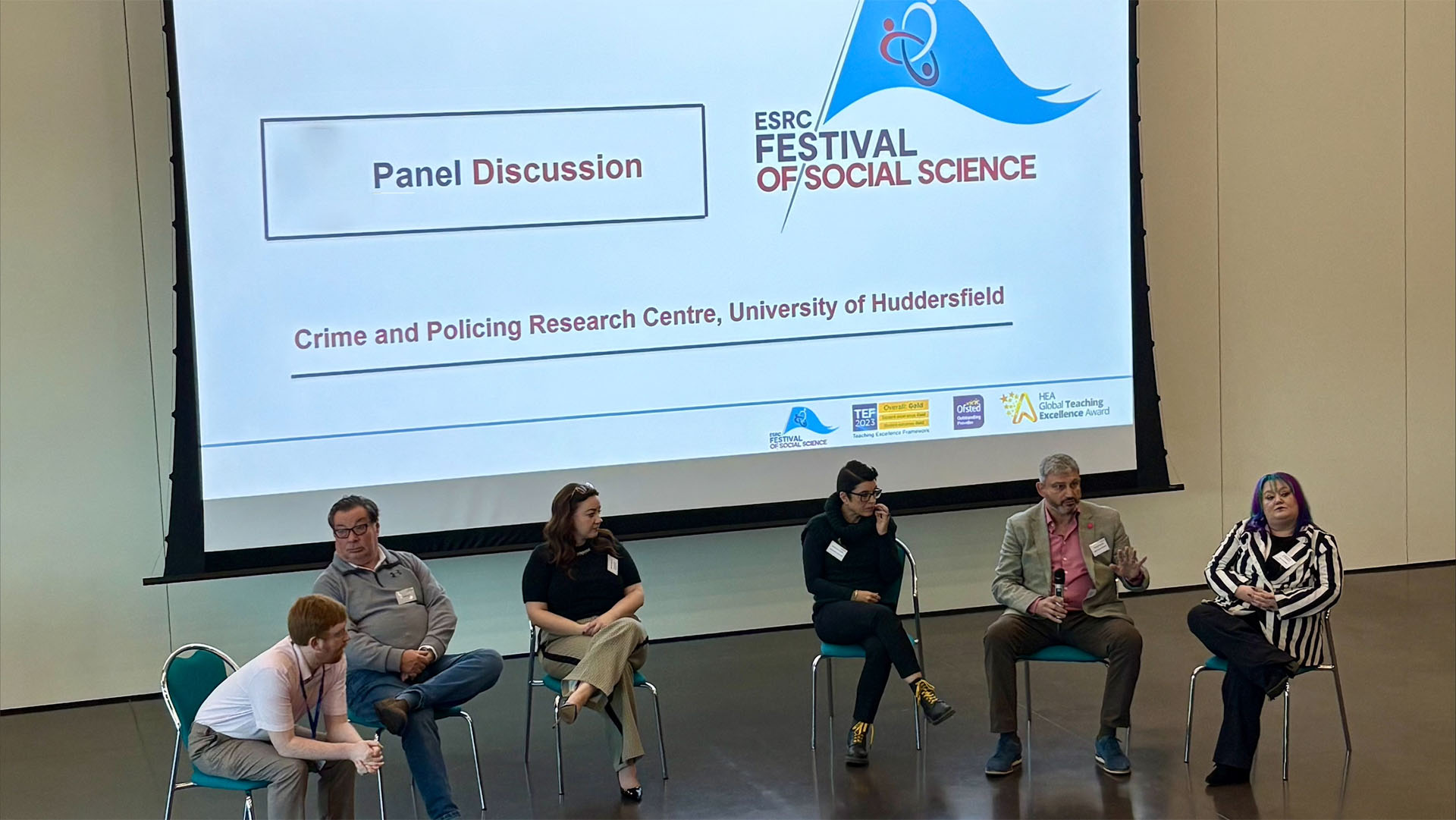
The University of Huddersfield’s Crime and Policing Research Centre has launched a pioneering platform that merges academic rigor with frontline police practice. In a recent gathering, professionals from over fifteen police forces, Police Scotland, the National Crime Agency, the College of Policing, and the Ministry of Defence convened to discuss evidence‑based approaches to officer wellbeing. This event, part of the ESRC Festival of Social Sciences, marked a critical turning point in addressing the expanding mental‑health challenges that confront UK policing.
Why Focus on Police Wellbeing?
The policing profession faces a unique blend of occupational stressors – exposure to trauma, shift work, public scrutiny, and the constant need to balance duty with personal life. Over the past decade, research has established that poorly managed stress can lead to burnout, depression, and even violence, creating a ripple effect that harms families and undermines community trust. Given this risk, UK forces have been under increasing pressure to move beyond reactive support systems and adopt proactive, evidence‑driven wellbeing strategies.
The Role of Evidence‑Based Approaches
Evidence‑based practice refers to the systematic use of the best available research, practitioner expertise, and clear outcomes measurement to guide decision making. For police wellbeing, this means identifying interventions substantiated by data – for example, structured peer‑support programs, resilience training modules, or trauma monitoring tools – and embedding them within operational culture.
Key Elements of a Successful Wellbeing Strategy
- Data‑Driven Assessment: Collecting and analysing metrics on staff mental health, absenteeism, and incident rates.
- Rapid Evidence Reviews: Summarising current research to provide actionable guidance within a short time frame.
- Technology Integration: Deploying tools such as the Trauma Tracker to monitor exposure and flag risk early.
- Stakeholder Engagement: Involving officers, managers, and external health partners to co‑create supportive environments.
- Continuous Evaluation: Measuring impact, adjusting interventions, and sharing best practices across the policing network.
Highlights from the Event
The conference drew together a diverse group of experts and included several breakout sessions that addressed both policy and practice. The agenda unfolded as follows:
- Session 1: Evidence‑Based Approaches to Wellbeing – A review of foundational research and emerging best practices.
- Session 2: Future Directions for Research‑Informed Wellbeing Practice – Panel discussion on gaps in the evidence base and upcoming studies.
- Session 3: Rapid Evidence Assessment into Mental Health Interventions – Findings from a systematic review of intervention efficacy.
- Session 4: Data Analytics and the Trauma Tracker Tool – Demonstration of real‑time monitoring and trend analysis.
- Session 5: Engagement with Support Services – Strategies to improve uptake of mental health resources by frontline staff.
- Session 6: Impact on Families – How occupational stress extends beyond the individual officer.
PhD Research in Context
Three PhD scholars – Rebecca Kinnear, Laura Hulse, and Ellie Hutchison – presented innovative preventive interventions developed in collaboration with UK police forces. Their work exemplifies the Centre’s commitment to translating research into practice:
- Rebecca Kinnear: Evaluating the effectiveness of brief mindfulness sessions embedded into shift schedules.
- Laura Hulse: Designing a peer‑support network that leverages community volunteers to extend care beyond the force.
- Ellie Hutchison: Pilot testing an early‑warning algorithm that predicts burnout risk using routine mental‑health screening data.
Practical Take‑Away Messages for Police Forces
Chief Inspector Tom Perry of West Yorkshire Police expressed enthusiasm for the event: “The platform provided an excellent opportunity to explore aspirations for evidence‑based police wellbeing research and to showcase our Trauma Tracker innovation.” His sentiment echoes many attendees’ recognition that a systematic approach can help embed wellbeing at the operational level.
Building an Action Plan
- Audit Current Resources: Determine existing initiatives, gap analysis, and alignment with evidence.
- Engage Leadership: Secure buy‑in from senior management to champion wellbeing priorities.
- Implement Pilot Projects: Start small with scalable programs that can be evaluated and refined.
- Leverage Data: Use tools like the Trauma Tracker to document exposure and outcomes.
- Monitor and Adjust: Track outcomes with clear KPIs and iterate based on feedback.
How the Crime and Policing Research Centre Can Help
With over a decade of experience, the Centre offers a portfolio of services tailored to the needs of UK policing organisations:
- Expert Advice: Consultation on developing and refining wellbeing frameworks.
- Research Consultancy: Design and execution of studies to inform policy and practice.
- Postgraduate Supervision: Support for officers pursuing advanced studies in policing and public safety.
For further enquiries, contact Dr Ashley Cartwright at [email protected].
Continuing the Conversation
Evidence‑based police wellbeing is a dynamic field. To keep pace, forces and practitioners alike can benefit from engaging with the latest research, attending future conferences, and collaborating across agencies.
Explore related resources on police wellbeing and research by visiting the University of Huddersfield’s Crime and Policing Research Centre or schedule a consultation.
Get Involved Today
Ready to translate research into action?
- Submit your application to join the Centre’s postgraduate programmes and become part of the evidence‑driven future of policing.
- Schedule a free consultation with our research team to learn how data can support your wellbeing strategy.
- Have questions? Write to us at [email protected] or call +44 (0)1484 422288.
- Share your experiences in the comments below – your input helps shape next‑generation wellbeing solutions.
- Explore our related articles for further reading on policing research and public safety.