Understanding Cressida Bell’s Design Philosophy
Cressida Bell has carved a niche in the world of textile design by marrying traditional techniques with contemporary aesthetics. Her work, rooted in pattern, demonstrates how a designer can translate everyday inspiration into wearable and functional art. For students and professionals looking to refine their own creative process, Bell’s approach offers a clear roadmap: observe, sketch, refine, and stay true to personal vision.
Observing the World Around You
Bell begins each project by capturing images that resonate with her—whether it’s a street scene, a piece of architecture, or a fleeting moment in nature. She often uses a simple camera to document these moments, turning them into a visual library that fuels her imagination. This practice encourages designers to develop a habit of visual journaling, a technique that can be applied across disciplines.
Sketching as a Foundation
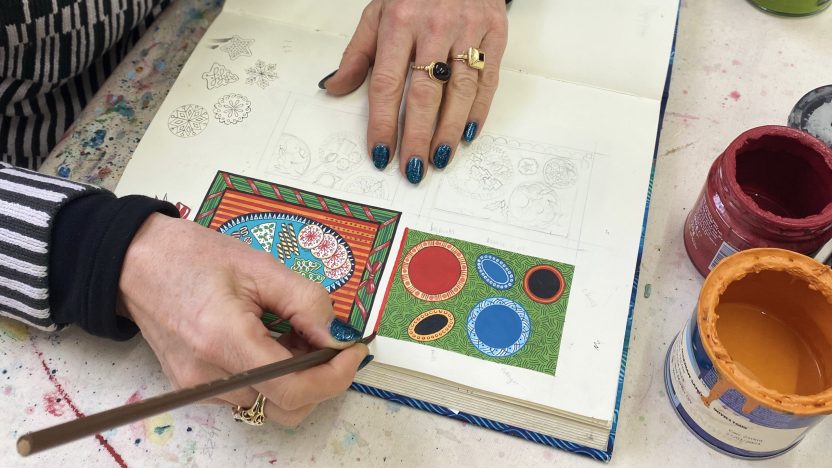
Once a visual reference is chosen, Bell translates it into a series of thumbnail sketches. These small drawings serve as a sandbox where she experiments with composition, color, and texture. By keeping the sketches miniature, she can quickly iterate and discard ideas that don’t align with her vision. This iterative loop is essential for maintaining momentum and preventing creative stagnation.
From Paper to Digital Canvas
Historically, Bell would enlarge her thumbnails using the old‑school squaring‑up method, a meticulous process that ensured scale accuracy. Today, she scans her sketches and refines them on a computer, blending hand‑drawn elements with digital tools. This hybrid workflow allows for rapid prototyping while preserving the authenticity of her hand‑crafted style.
Pattern as the Core of Textile Design
Pattern is the heartbeat of Bell’s work. She draws inspiration from a wide array of sources—art books, gallery exhibitions, and even family heritage. By weaving these influences into her designs, she creates textiles that feel both timeless and fresh.
Incorporating Cultural References
Bell’s background in the Bloomsbury Group provides a rich tapestry of motifs and color palettes. While she acknowledges these influences, she filters them through her own sensibility, ensuring that each pattern remains unmistakably her own. Designers can learn from this by studying historical references but ultimately adapting them to fit their unique voice.
Balancing Aesthetics and Functionality
Whether designing a holiday card or a table linen, Bell considers both visual appeal and practical use. For example, her Christmas card features a “tablescape” motif that references classic Bloomsbury patterns, yet it is printed on high‑quality cardstock that withstands handling. This dual focus on beauty and durability is a key lesson for textile designers aiming to produce market‑ready products.
Collaborating with Institutions: A Case Study
Bell’s partnership with the Courtauld Institute exemplifies how designers can collaborate with cultural institutions to expand their reach. The Courtauld’s extensive collection of Bloomsbury works provided Bell with a contextual backdrop that enriched her designs.
Leveraging Institutional Resources
By engaging with the Courtauld’s research team, Bell gained access to archival material and expert insights that informed her creative decisions. Designers looking to collaborate should seek similar opportunities—whether through residencies, exhibitions, or research projects—to deepen their work’s intellectual foundation.
Mutual Benefits of Collaboration
For Bell, the partnership offered a platform to showcase her products in a prestigious setting, while the Courtauld benefited from fresh, contemporary designs that resonated with visitors. This win‑win dynamic underscores the importance of aligning goals and values when entering collaborative agreements.
Practical Tips for Aspiring Textile Designers
- Build a Visual Library: Regularly photograph objects, textures, and scenes that inspire you. Organize them in a digital folder or physical sketchbook for quick reference.
- Practice Thumbnail Sketching: Create a series of small, rapid sketches for each concept. This helps you test ideas without committing significant time.
- Experiment with Hybrid Workflows: Combine hand‑drawing with digital editing to take advantage of both mediums’ strengths.
- Study Historical Motifs: Research patterns from art movements that interest you, then reinterpret them through your own lens.
- Prioritize Functionality: Ensure your designs are not only visually striking but also suitable for their intended use—consider fabric durability, colorfastness, and user experience.
- Seek Collaborative Opportunities: Reach out to museums, galleries, and academic institutions for residencies, exhibitions, or research projects.
- Maintain Personal Authenticity: While external influences are valuable, always filter them through your unique perspective to create work that feels genuinely yours.
Exploring Cressida Bell’s Product Range
Bell’s creations extend beyond textiles to include accessories, greeting cards, and home décor items. Her products are available through the Courtauld Shop, where visitors can purchase limited‑edition items that reflect her signature style.
To experience Bell’s work firsthand, consider visiting the Courtauld Gallery or exploring the online shop. The shop offers a curated selection of her textiles, cards, and table linens, each crafted with the same attention to detail that defines her studio practice.
Next Steps for Designers and Students
Whether you’re a seasoned professional or a student just starting out, integrating Bell’s methodologies into your workflow can elevate your design practice. Begin by setting up a visual journal, experimenting with thumbnail sketches, and exploring collaborations that align with your creative goals.
For those interested in learning more about textile design education, the Courtauld Institute offers world‑renowned programmes in art history, conservation, and curation. These courses provide a solid theoretical foundation that complements practical studio work.
Call to Action
Ready to bring your own patterns to life? Explore Cressida Bell products at the Courtauld Shop and discover how her designs can inspire your next project.
Have questions about starting a textile design career? Schedule a free consultation with the Courtauld Institute’s admissions team to learn about available programmes and support.
Share your own design journey in the comments below or connect with fellow designers on our Instagram page for ongoing inspiration.
For further reading on textile innovation and design trends, browse our news and blogs section to stay updated on industry developments.