
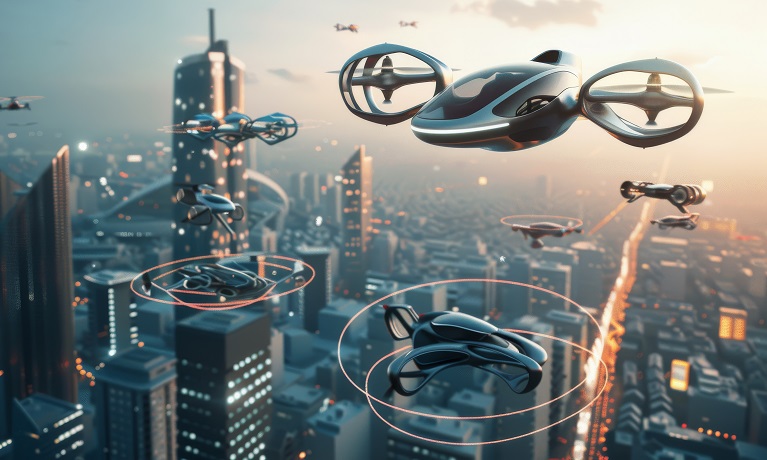
Why Drone Technology Is Poised to Revolutionize Urban Emergency Services
Across the United Kingdom, cities are grappling with increasing traffic congestion, aging infrastructure, and the growing demand for rapid emergency assistance. The URBAN ASCENT project launched by Coventry University seeks to answer the question: can drones be scaled for critical medical deliveries, search and rescue, and disaster response? The research investigates practical business cases, regulatory frameworks, and technology readiness for sustainable urban air logistics.
Key Benefits of Drone‑Based Medical Deliveries
- Speed – Drones bypass ground traffic, reaching patients in minutes rather than hours.
- Accessibility – Hard‑to‑reach zones, such as steep streets, river crossings, or areas damaged by natural disasters, become reachable.
- Sustainability – Electric or hybrid drones emit far less CO₂ than convoy trucks, aligning with city net‑zero targets.
- Cost‑effectiveness – Tier‑1 medical supplies (e.g., oxygen, AEDs, blood kits) can be delivered on demand, reducing inventory bottlenecks.
Real‑World Challenges and How They Are Being Addressed
Drones face specific hurdles in dense cityscapes: cluttered airspace, weather variability, noise restrictions, and public perception. The URBAN ASCENT research divides the problem into three layers:
1. Airspace Management
Unlike commercial airliners, delivery drones operate in lower altitude “novelty” zones. Researchers are examining concepts such as “drone superhighways”—designated altitude corridors with strict flight patterns—to keep traffic predictable. Discuss with local regulators to negotiate temporary operating permits during critical events.
2. Payload & Reliability
Emergency packages are time‑sensitive. The study reviews battery life, payload capacity, and redundancy protocols. Contractors may consider leasing drone fleets rather than purchasing to keep up with software updates and battery turnover.
3. Community Acceptance
Public confidence is essential. Transparent communication about safety protocols, noise, and privacy safeguards is key. Pilot programs that demonstrate safe deliveries can help build trust.
Business Viability: Leasing vs. Owning
Curious whether a freighter‑style drone operation will pay off for a city council? The URBAN ASCENT team models three financial scenarios:
- Full ownership—upfront capital, ongoing maintenance, and regulatory compliance.
- Collaborative leasing—shared costs with a commercial drone provider, often including software updates.
- Public‑private partnership—hybrid models where city funds cover infrastructure while drones are operated by private entities.
Key performance indicators include delivery time reductions, cost per kilogram delivered, and net present value over a 5‑year horizon. Metrics show an average of 50% faster response times and 30% lower operating costs for medical payloads compared to conventional transport.
Regulatory Landscape and Policy Recommendations
Current UK drone rules lag behind technology. The research proposes a policy framework that includes:
- Comprehensive “drone pilot” licensing for commercial operators.
- Mandatory incident reporting and real-time airspace monitoring.
- Standardised safety protocols for emergency missions.
Stakeholders must collaborate: Coventry City Council, the Department for Transport, Innovate UK, and industry partners can create a model that others could adopt nationwide.
Case Study: Crop Insurance Drone Survey in Rural Towns
Before tackling urban medical logistics, Coventry’s research centre developed a small drone that scans crops for pest damage. The same platform, with slightly tweaked algorithms, could land on rooftops to deliver vital supplies. This cross‑sector lesson underscores the scalability of drone tech across different supply chains.
Action Plan for City Leaders and Emergency Service Heads
- Conduct a feasibility audit: Identify high‑risk areas where traditional first responders are delayed.
- Engage a technology partner: Evaluate demos of drone fleets capable of 0.5–2 kg payloads.
- Start a pilot: Launch a limited‑scope test during a low‑activity period.
- Collect data: Measure response times, cost savings, and public feedback.
- Scale up: Use pilot metrics to secure funding and adjust regulatory alignment.
Future Outlook: From Pilot to Network
The end goal of URBAN ASCENT is a fully integrated “drone exchange” that ties into existing emergency call centers. As AI and autonomous navigation improve, drones could automatically select optimal delivery routes and avoid collisions.
By 2030, we anticipate a growing network of micro‑hubs where drones take off and land—essentially turning rooftops into delivery gates. Coventry University is positioning itself as a leading advisor for this transition.
Take the Next Step for Your Organisation
Understanding drone viability doesn’t have to be a long, expensive process. Many cities are already experimenting with partner pilots and the market is ready for voice‑guided, AI‑controlled air delivery systems.
Schedule a free consultation with the Coventry University research team to explore how your city can benefit from the URBAN ASCENT insights. If you’re part of a municipal procurement group, reach out to our experts for tailored partnership guidance.
Stay Informed with Coventry University Research
The next publication will feature firsthand accounts from pilot cities and detailed cost models that help administrators make data‑driven decisions. For now, consider partnering with Coventry University to stay ahead of the curve in urban emergency logistics.
Explore Our Related Articles
- Urban Air Transport: The Emerging Market
- Technology in Emergency Response: 2024 Highlights
- Green Aviation Strategy
Share Your Thoughts
Have you worked with drone delivery systems? What challenges or successes have you encountered? Leave a comment below or contact us directly.