
UK Sport Faces Rising Heat, Changing Seasons – What This Means for Athletes and Organisers
For more than a decade, the Olympic Games have been the pinnacle of athletic excellence, drawing talent from every country and captivating a global audience. Yet recent editions of the Games – Paris 2024 and the World Athletics Championships in Tokyo – have already demonstrated that climate change is moving from a distant concern to an immediate operational challenge. Rising temperatures are altering weather patterns, shortening competition windows, and heightening the risk of health incidents for both competitors and spectators.
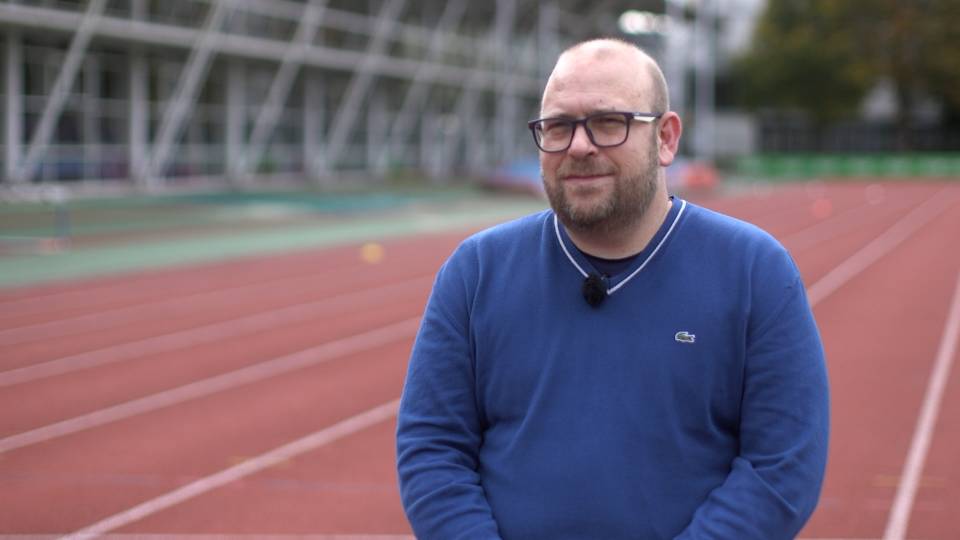
In the words of Dr Jamie Kenyon, Professor of Sport Management at Loughborough University, “The challenges of a changing climate are occurring now, not in some future Olympics. They have already impacted two Olympic cycles.” This perspective is grounded in rigorous research that evaluates temperature thresholds, heat‑stress risk, and logistical feasibility across a range of sporting events.
Heat‑Stress Risks at Summer Games
One of the most pressing issues for summer sport is heat‑stress. The World Athletics Federation has issued guidelines recommending that in competitions above 28 °C, athletes should have access to cooling stations, and event schedules should avoid peak temperature windows. For Paris 2024, the average ambient temperature during the opening ceremony was 24 °C, but day‑time peaks surpassed 30 °C, prompting the organisers to push back outdoor events by an hour to mitigate heat‑exposure.
While a single adjustment can help, the cumulative effect of consistently higher temperatures could lead to more frequent scheduling disruptions, athlete withdrawals, and reduced audience capacity to comply with safety protocols. Dr Kenyon’s work stresses that the “traditional summer calendar” – a period of the year long regarded as comfortable for outdoor competition – is becoming less viable. Organisers need a new framework that accounts for climatic volatility, aligns with athlete welfare, and preserves commercial returns.
Winter Olympics Under Threat
What about winter sport? Loughborough University’s own research – which examines carbon‑emission scenarios and temperature data – warns that by 2100, there may be only ten viable host cities for the Winter Olympics under a low‑emission trajectory, and just a single viable host if emissions continue at current rates. These predictions arise from the need for reliable snow supply, stable sub‑freezing temperatures, and access to high‑altitude venues. Events that once took place on glaciers may now occur in controlled indoor environments, raising cost and environmental concerns.
Consider the case of the Lillehammer Games in 1994. The surrounding winter conditions were ideal, but even that event required artificial snow on several key courses. If natural snowfall continues to dwindle, future Games could face prohibitive water‑resource demands and increased carbon footprints. The situation also puts pressure on host cities to invest heavily in infrastructure that may have a limited lifespan after the Games conclude.
Beyond Safety: Economic and Sponsorship Implications
Climate‑induced disruptions do not merely affect on‑court performance. They pose significant financial risks for federations, sponsors, and local governments. A sudden heatwave during a track event can trigger a cascade of safety interventions: emergency medical services activation, crowd control adjustments, and potentially the early termination of a race.
For sponsors, this unpredictability can dilute brand visibility. If a marquee event is postponed or shortened, the agreed marketing deliverables – television timeslots, fan activations, and digital content – may be compromised. Organisers need to develop flexible contracts that include clauses for weather‑related adjustments, ensuring sponsor value while protecting athlete welfare.
Policy Recommendations – A Multi‑Actor Response
Dr Kenyon calls for bold action, noting that “sport must take the lead in positive change,” not just because it is a global platform but also because it shares responsibilities in the carbon lifecycle. Recommended actions include:
- Re‑defining competition calendars to shift outdoor events to cooler months or early‑morning periods, even if that means extending the summer season’s business hours.
- Investing in adaptive infrastructure: cooling tents, shaded spectator areas, and real‑time temperature monitoring systems.
- Adopting a carbon‑neutral target for national federations, supported by life‑cycle assessments of equipment, travel, and venue operations.
- Facilitating cross‑sector collaboration: athletes, coaches, scientists, and city planners collaborating to create resilient event models.
Such policies require leadership not only from national governing bodies but also from the International Olympic Committee, which has already pledged to incorporate climate‑action frameworks into the Next Games plan.
How Loughborough University is Leading the Conversation
With its unique blend of sport performance science and climate research, Loughborough University is at the forefront of studying these intersections. The university’s Global Climate and Sports Initiative provides data, simulation models, and policy briefs to stakeholders worldwide. From the UK sport community to the Olympic governing bodies, researchers disseminate actionable insights that help shape strategic decisions.
Moreover, Loughborough’s postgraduate programmes – such as MSc in Sport Management – embed climate‑resilience modules, preparing the next generation of sport executives to navigate uncertainties with evidence‑based strategies. Graduates who have moved on to major sporting organisations report improved ability to design safety protocols and secure sponsorships amid changing climatic conditions.
What Athletes and Coaches Must Do Now
While large‑scale policy shifts take time, individuals and teams can prepare by adapting training schedules to match anticipated weather patterns. Coaches can incorporate heat‑acclimatisation training, hydration strategies, and cooling technologies into routine. National team selection panels should include climate‑risk assessment as part of health and safety protocols.
For winter athletes, training camps now include artificial snow simulators that mimic lower temperatures, ensuring physiological adaptation even when natural snowfall is scarce. Athletes who participated in the 2024 Paris Games reported that early‑morning starts reduced dehydration risks and improved performance consistency.
Key Takeaways for the UK Sport Landscape
- Climate change is already affecting major sporting events, with rising temperatures altering scheduling and athlete safety.
- Winter Games are facing a stark viability threat; only a handful of hosts could sustainably offer snow‑dependent competitions by 2100.
- Economic, sponsorship, and brand implications arise from event disruptions, necessitating flexible, climate‑aware contract structures.
- Loughborough University is providing leadership through research, policy briefs, and educational programmes that empower stakeholders to act.
- Sport, due to its global reach, can model progressive climate action, encouraging wider societal behaviour change.
For those involved in UK sport – from club managers to national selectors – the window for decisive climate‑action strategies is narrowing. Understanding the risks and adopting proactive solutions is not an optional extra; it is a strategic requirement that directly influences athlete performance, fan engagement, and long‑term viability of the sport sector.
Practical Steps Right Now
1. Assess local climate data for events and use predictive models to determine optimal dates.
2. Invest in cooling infrastructure (portable misting, shade structures) to safeguard athletes and spectators.
3. Review sponsorship contracts to incorporate flexibility clauses for weather-related postponements or alterations.
4. Collaborate with Loughborough University researchers to conduct site‑specific resilience assessments.
5. Educate team staff on heat‑stress recognition, hydration protocols, and emergency response procedures.
Join the Movement — Shape Sport’s Climate‑Safe Future
As sport fans, stakeholders, or academicians, you have a role to play. By staying informed and supporting climate‑focused research, you help create a safer, more resilient sporting environment. For more details on how Loughborough University’s initiatives influence global sport, explore our research publications and partnership opportunities.
Interested in advancing your career at the intersection of sport and sustainability? Apply for Loughborough’s postgraduate programme in Sport Management, or contact our admissions team for a free consultation. Read our latest white‑paper on climate‑resilient sporting events and share your insights in the comments below.
Apply for the MSc in Sport Management today.
Explore undergraduate options in sports science and management.
Download our latest research on climate and sport.
Have questions or ideas? Email our admissions team for a personalized discussion.
Share this article on social media to help spread awareness about the urgent climate challenges facing global sport.