
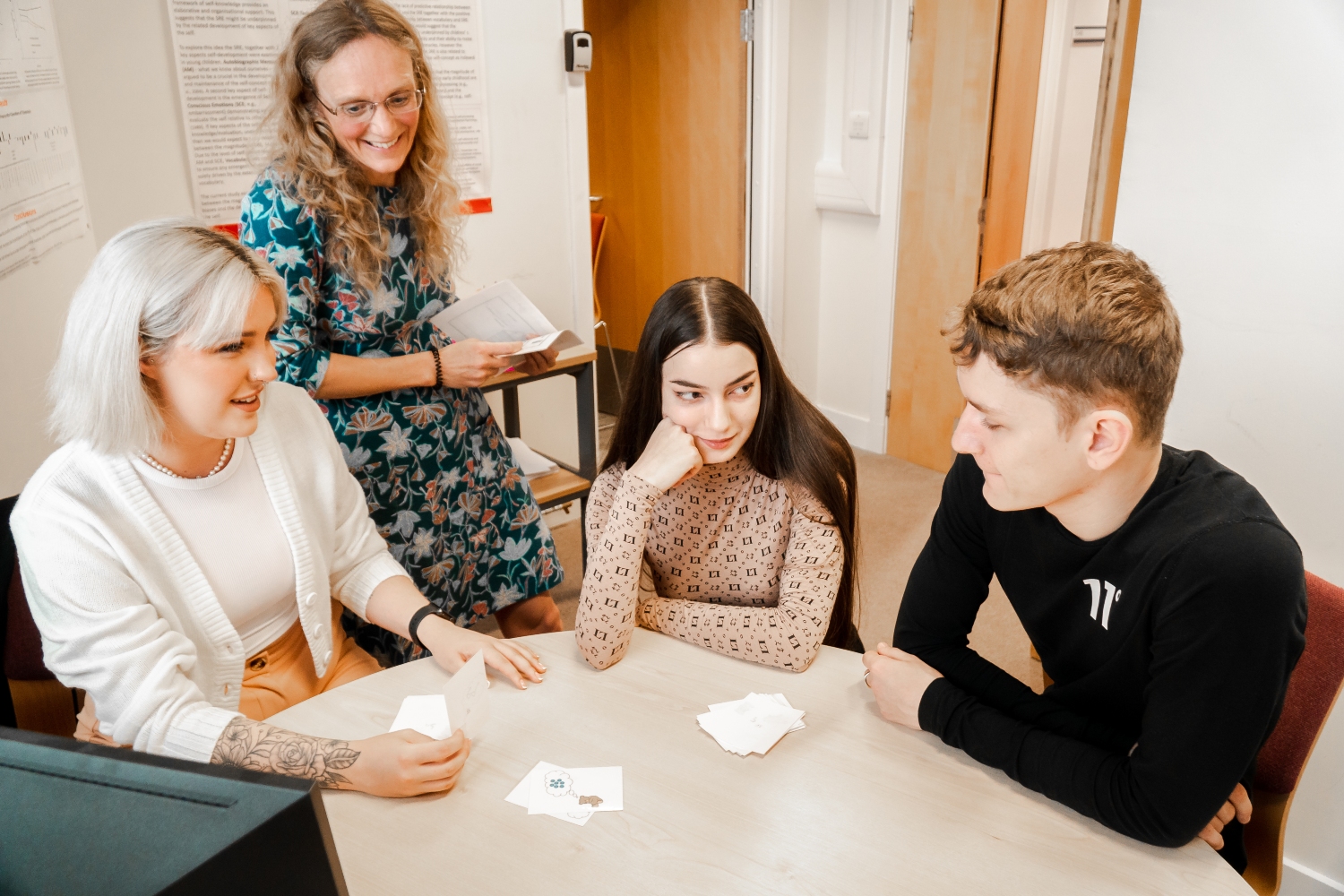
Overview of the Study
In July 2025, researchers from Abertay University’s Department of Sociological and Psychological Sciences published a large‑scale mixed‑methods investigation into how neurodivergent (ND) individuals form and experience friendships. The paper—available through Sage Journals—examines whether ND people naturally orient toward one another and how these bonds differ from the more commonly studied neurotypical (NT) friendships.
Methodology and Sample
The study combined quantitative surveys with in‑depth interviews to capture both patterns and lived experience. Over 1,600 participants completed an online questionnaire, while 170 were selected for semi‑structured interviews. Respondents represented a range of neurotypes, including ADHD, autism, Tourette’s, dyslexia and other conditions recognized under the UK’s “neurodiversity” umbrella.
Quantitative Findings
- ND participants reported significantly more ND friends than NT participants managed.
- Autistic respondents averaged more autistic friends than any other group.
- Cross‑neurotype friendships were less common, but not absent.
Qualitative Themes
- “Speaking the same language” – a sense that ND friends communicate in shared, intuitive ways.
- Mutual understanding and emotional safety were highlighted as core benefits.
- Challenges included navigating expectations and differing support needs when both friends face personal difficulties.
What These Findings Mean for the ND Community
The research suggests that ND friendships function as a distinct cultural practice rather than merely a social preference. They carry expectations, communication styles and, sometimes, distinct levels of emotional connection that differ from NT norms. Recognising these differences can help educators, employers and peers create environments that support diverse relational needs.
Practical Takeaways for Students and Professionals
- Build skill sets around self‑advocacy in social settings; knowing your own neurotype helps align expectations.
- When seeking inclusion in a team or group, consider how diverse cognitive styles can complement one another rather than clash.
- Support networks need clear boundaries; people can offer empathy but not fix each other’s challenges.
- Universities and workplaces can benefit from affinity groups that focus on shared neurodivergent identities.
Abertay University’s Role in Promoting Neurodiverse Well‑Being
Abertay offers dedicated support services, including undergraduate programmes focused on psychology and neurodiversity and specialised learning support for ND students. The university also partners with local organisations to host workshops that explore the benefits of ND friendships and effective communication strategies.
Want to learn more? Read the full research paper here.
Planning your own academic career? Submit your application today.
Have insights or experiences that expand on these findings? Share your experiences in the comments below.
Explore additional resources on neurodiversity by visiting our news section for related studies and updates.